Pilea nummulariifolia
Pilea nummulariifolia (Creeping Charlie) Care Guide
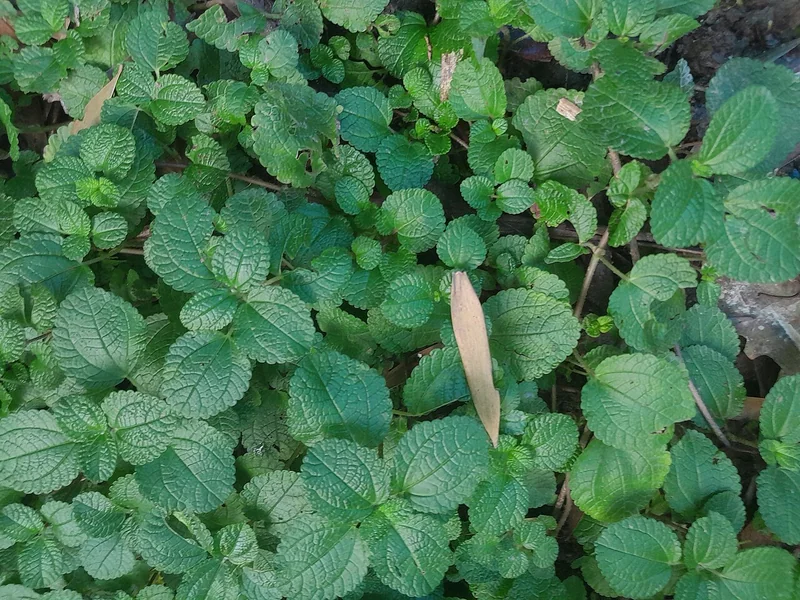 Featured photopilea-nummulariifolia.jpg
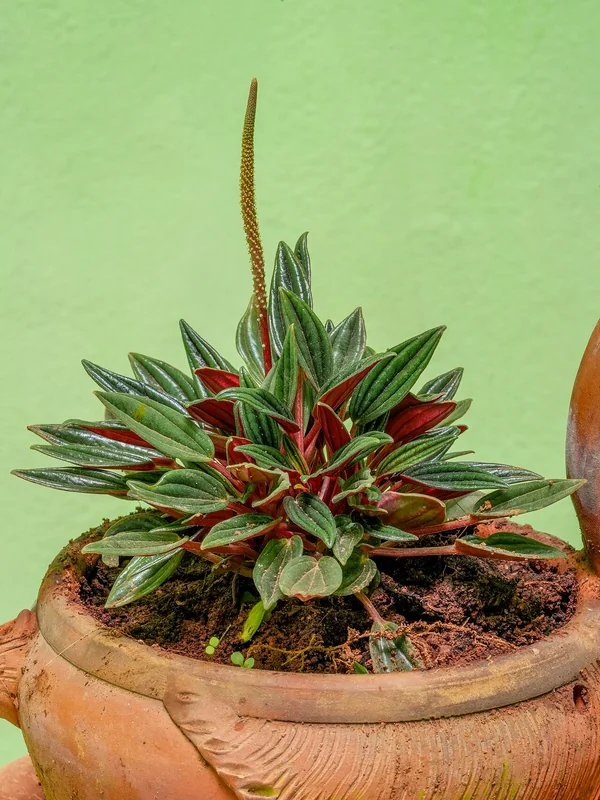
Pilea nummulariifolia, sold as Creeping Charlie, is a small Urticaceae herb in the genus Pilea kept as a houseplant for its textured or patterned foliage. A creeping Caribbean and South American species with small round mid-green leaves on thin stems, used as a ground-cover under taller plants and in terrarium settings. Pilea propagate easily from cuttings or offsets and tolerate average household humidity.
Care facts at a glance
- Light
- Bright indirect
- Water
- Water when the top 2 cm of mix has dried.
- Humidity
- 40–60 %
- Temperature
- 16–24 °C
- Soil
- Well-draining houseplant mix with extra perlite or pumice for aeration.
- Origin
- Tropical and subtropical regions across the Americas, Africa, and Asia.
- Mature size
- 10 to 30 cm tall depending on species, similar or wider spread.
Overview
Pilea nummulariifolia is one of about 700 species in Pilea, the largest genus in the nettle family Urticaceae. A creeping Caribbean and South American species with small round mid-green leaves on thin stems, used as a ground-cover under taller plants and in terrarium settings. Despite the family connection, Pilea lack the stinging hairs of Urtica.
Care Priorities
- Bright filtered light keeps growth compact; deep shade leaves leggy.
- Water when the top 2 cm of mix is dry.
- Average humidity (40 to 60 percent) is enough.
- Pinch growing tips to keep the plant bushy.
- Take cuttings every spring — Pilea propagates readily and parent plants benefit from the trim.
Common Problems
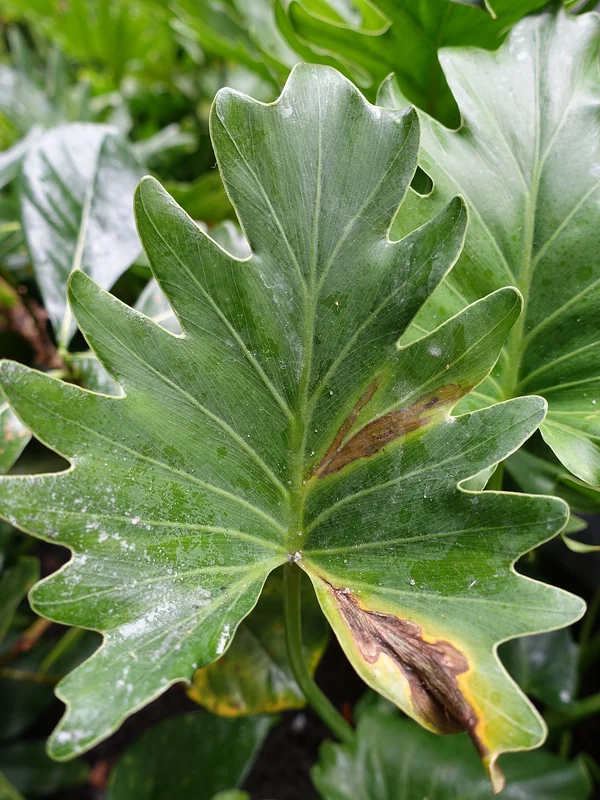
Wilting is usually thirst — water and the plant perks up within hours. Yellow lower leaves with mushy stems mean overwatering. White cottony spots on stems are mealybugs; dab with rubbing alcohol on a cotton swab.
Sources & further reading (2)
- encyclopedia — accessed 2026-04-28
- botanical-garden — accessed 2026-04-28
Frequently asked questions
How do I distinguish Pilea nummulariifolia from Pilea depressa?
Pilea nummulariifolia has slightly larger and more crinkled leaves than P. depressa, with a slightly redder stem in good light. Both are trailing species with similar care.
How do I propagate this Pilea?
Take a 5 to 8 cm stem cutting just below a node, remove the lower leaves, and root in water or directly in moist potting mix. Roots typically appear within 2 to 3 weeks.
How do I keep my Pilea bushy?
Pinch the growing tips every couple of months and rotate the pot weekly so growth stays even. Take cuttings from any bare leggy stems — Pilea propagate quickly and replacement plants stay compact.