Pilea microphylla 'Variegata'
Pilea microphylla 'Variegata' (Variegated Artillery Plant) Care Guide
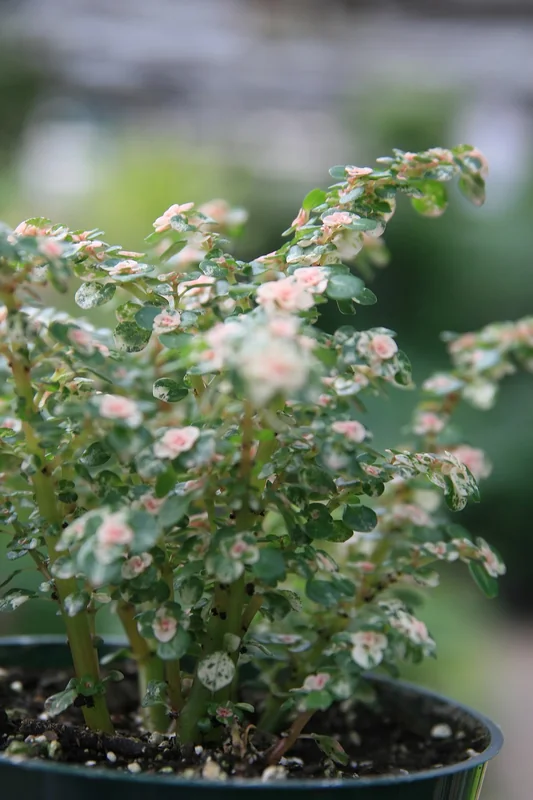 Featured photopilea-microphylla-variegata.jpg
Pilea microphylla 'Variegata', sold as Variegated Artillery Plant, is a small Urticaceae herb in the genus Pilea kept as a houseplant for its textured or patterned foliage. A variegated form of the tropical American Artillery Plant with cream-flecked leaves on dense fern-like fronds; the species is named for the way ripe seed pods explosively eject seed. Pilea propagate easily from cuttings or offsets and tolerate average household humidity.
Care facts at a glance
- Light
- Bright indirect
- Water
- Water when the top 2 cm of mix has dried.
- Humidity
- 40–60 %
- Temperature
- 16–24 °C
- Soil
- Well-draining houseplant mix with extra perlite or pumice for aeration.
- Origin
- Tropical and subtropical regions across the Americas, Africa, and Asia.
- Mature size
- 10 to 30 cm tall depending on species, similar or wider spread.
Overview
Pilea microphylla 'Variegata' is one of about 700 species in Pilea, the largest genus in the nettle family Urticaceae. A variegated form of the tropical American Artillery Plant with cream-flecked leaves on dense fern-like fronds; the species is named for the way ripe seed pods explosively eject seed. Despite the family connection, Pilea lack the stinging hairs of Urtica.
Care Priorities
- Bright filtered light keeps growth compact; deep shade leaves leggy.
- Water when the top 2 cm of mix is dry.
- Average humidity (40 to 60 percent) is enough.
- Pinch growing tips to keep the plant bushy.
- Take cuttings every spring — Pilea propagates readily and parent plants benefit from the trim.
Common Problems
Wilting is usually thirst — water and the plant perks up within hours. Yellow lower leaves with mushy stems mean overwatering. White cottony spots on stems are mealybugs; dab with rubbing alcohol on a cotton swab.
Sources & further reading (2)
- encyclopedia — accessed 2026-04-28
- botanical-garden — accessed 2026-04-28
Frequently asked questions
Why is the variegation fading on my Variegated Artillery Plant?
Variegated Pilea microphylla needs brighter light than the green form to hold the cream patches. In low light, new leaves emerge solid green. Increase light gradually and prune back the green-only stems.
How do I propagate this Pilea?
Take a 5 to 8 cm stem cutting just below a node, remove the lower leaves, and root in water or directly in moist potting mix. Roots typically appear within 2 to 3 weeks.
How do I keep my Pilea bushy?
Pinch the growing tips every couple of months and rotate the pot weekly so growth stays even. Take cuttings from any bare leggy stems — Pilea propagate quickly and replacement plants stay compact.