Pilea microphylla
Pilea microphylla (Artillery Plant) Care Guide
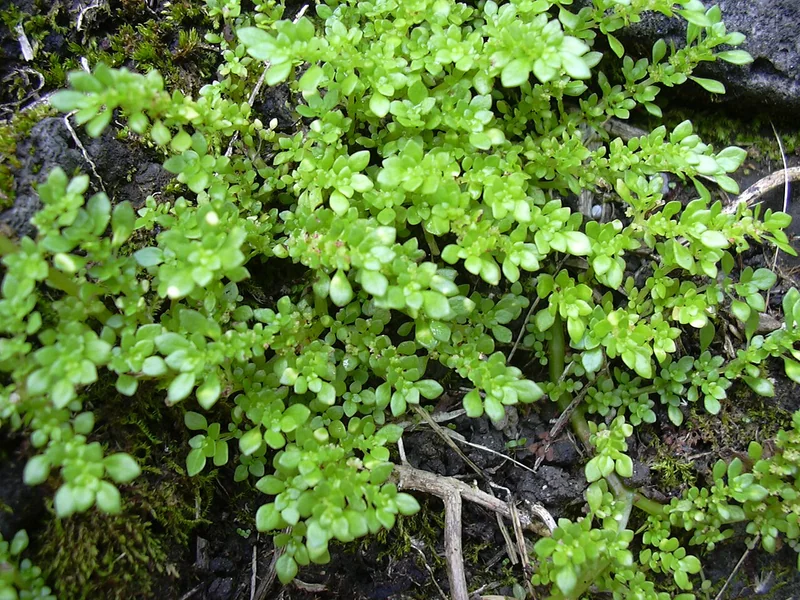 Featured photopilea-microphylla.jpg
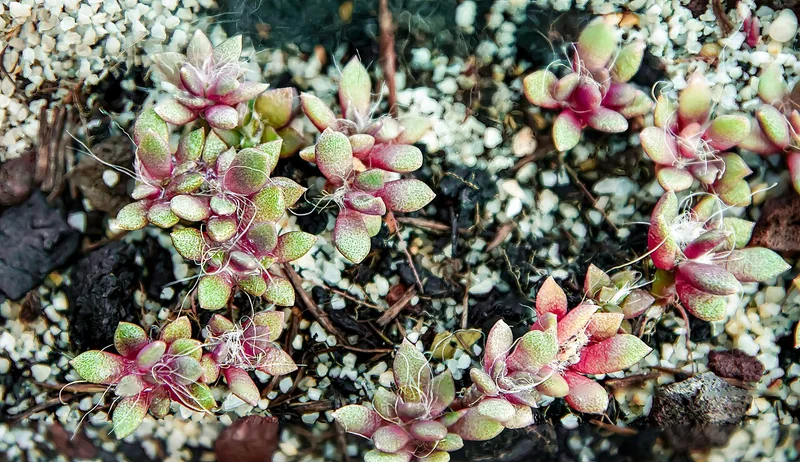
Pilea microphylla is a small tropical American pilea with feathery, almost fern-like foliage on succulent green stems. Its name comes from the male flowers, which puff visible pollen clouds when ripe and lightly disturbed. As a houseplant it is fast, forgiving, and one of the few tropical plants that is genuinely weedy outside cultivation in warm regions.
Care facts at a glance
- Light
- Bright indirect
- Water
- Water when the top 2 cm of mix has dried.
- Humidity
- 40–60 %
- Temperature
- 16–27 °C
- Soil
- Well-draining houseplant mix with perlite.
- Origin
- Tropical South America, naturalised throughout the tropics.
- Mature size
- 20 to 30 cm tall, spreading.
Overview
Pilea microphylla is one of the smallest-leaved pileas in cultivation and the only one that puts on a small show — the visible pollen puff from ripe male flowers is the reason for the name artillery plant.
Care Priorities
- Bright filtered light; full sun bleaches the leaves.
- Pinch back regularly to keep the plant compact.
- Water on the dry side; succulent stems tolerate brief drought.
- Watch for spider mites — fine-leaved pileas are favourite mite habitat.
Common Problems
Long bare stems are leggy growth from low light. Yellowing through the plant is overwatering. Sticky residue on leaves is often aphid honeydew.
Sources & further reading (2)
- encyclopedia — accessed 2026-04-28
- botanical-garden — accessed 2026-04-28
Frequently asked questions
Will it really fire pollen?
Yes, ripe male flowers release a visible pollen puff when shaken. It is harmless and short-lived.
Is it the same as friendship plant?
No — friendship plant is Pilea involucrata or P. mollis. Microphylla has much smaller leaves and a different habit.
Can I plant it outside?
In tropical climates it is often a weed; in temperate climates it dies in the first frost. Treat as an indoor plant or seasonal patio filler.