Pilea cadierei
Pilea cadierei (Aluminum Plant) Care Guide
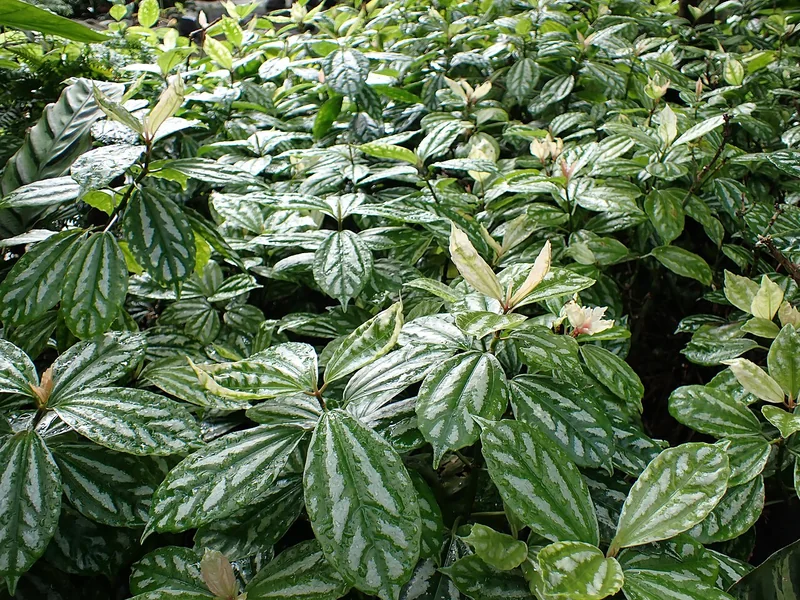 Featured photopilea-cadierei.jpg
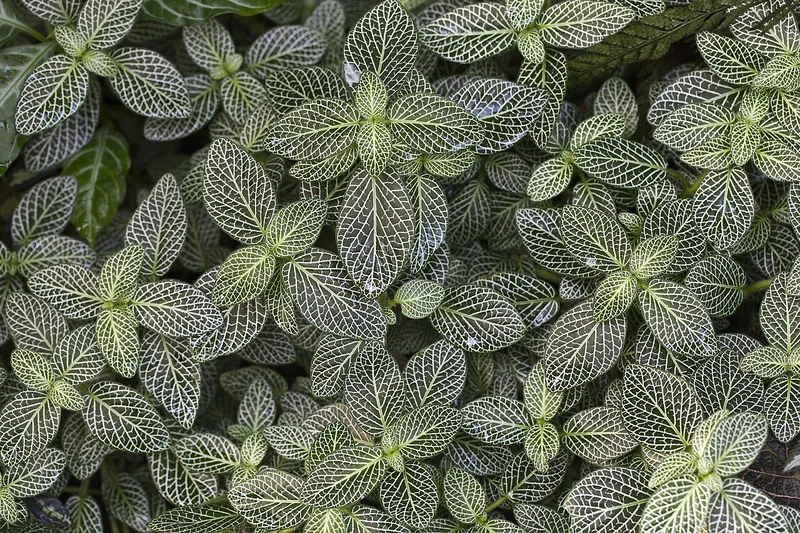
Pilea cadierei is a soft-stemmed creeper from Vietnam grown for its dark-green oval leaves splashed in metallic silver between the veins. It stays small enough for shelves and benches, holds up well in average rooms, and grows fast enough that pinching back keeps it bushy and full. It tolerates lower humidity than many tropical aroids.
Care facts at a glance
- Light
- Bright indirect
- Water
- Water when the top 2 cm of mix has dried.
- Humidity
- 40–60 %
- Temperature
- 16–24 °C
- Soil
- Standard well-draining houseplant mix with perlite.
- Origin
- Forests of Vietnam.
- Mature size
- 20 to 30 cm tall, spreading.
Overview
Pilea cadierei was described in 1939 from Vietnamese material and named after one of the collectors. The metallic silver markings come from air pockets between the leaf surface and the underlying tissue, not from pigment, which is why they look almost foiled.
Care Priorities
- Bright filtered light brings the silver to its brightest; deep shade dulls the markings.
- Pinch back regularly to keep the plant bushy; left alone it leggy quickly.
- Allow the top of the mix to dry between waterings.
- Take cuttings in spring as insurance — old plants can decline after two or three years.
Common Problems
Long bare stems with leaves only at the tip mean the plant wants more light or pinching. Yellow leaves with mushy bases are overwatering. Faded silver patches on older leaves are normal aging.
Sources & further reading (2)
- encyclopedia — accessed 2026-04-28
- botanical-garden — accessed 2026-04-28
Frequently asked questions
Why is the silver pattern so bright?
The markings are layers of air between the leaf surface and the chlorophyll cells underneath, refracting light. They are physical, not pigment, which is why the pattern stays bright on healthy leaves.
Does it really go leggy?
Yes — Pilea cadierei is one of the more notorious plants for stretching. Pinch every couple of months to keep the bush dense.
Can I keep it as a permanent plant?
Most growers replace it every 2 to 3 years with rooted cuttings. Old plants tend to decline regardless of care.