Philodendron acutifolium
Philodendron acutifolium Care Guide
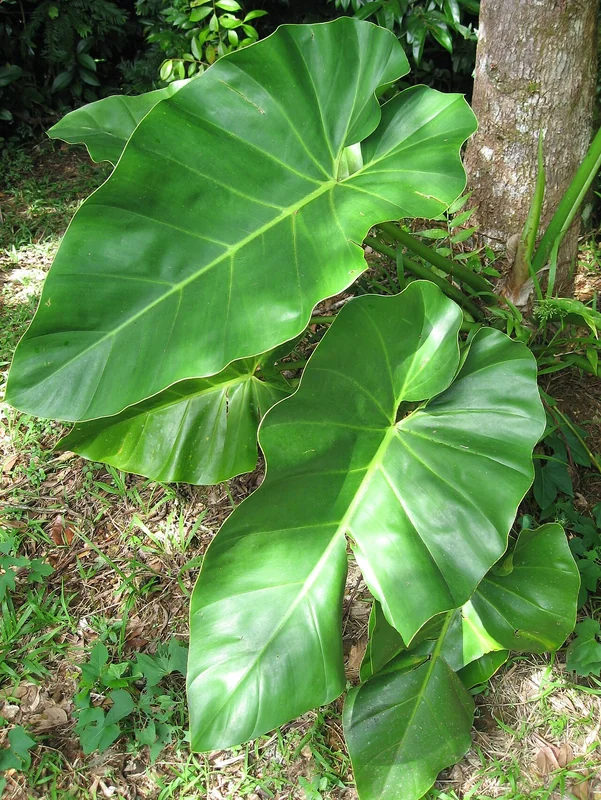 Featured photophilodendron-acutifolium.jpg
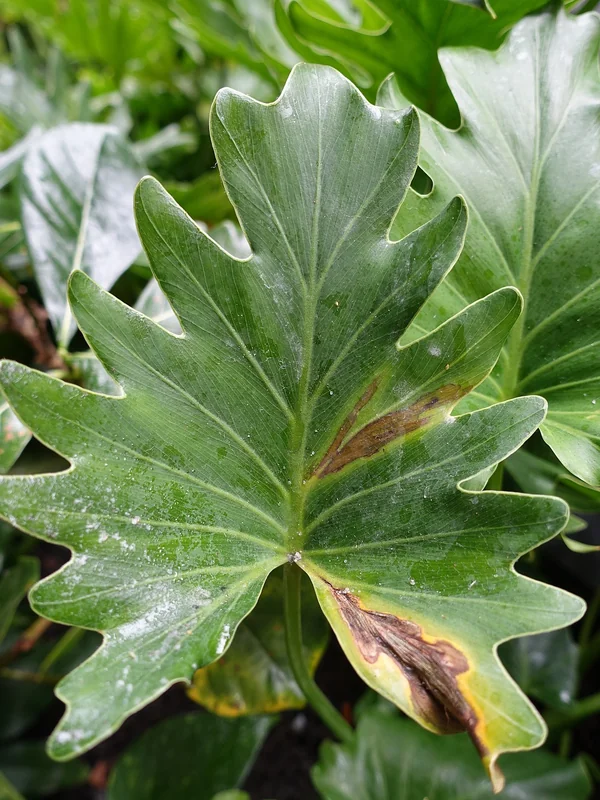
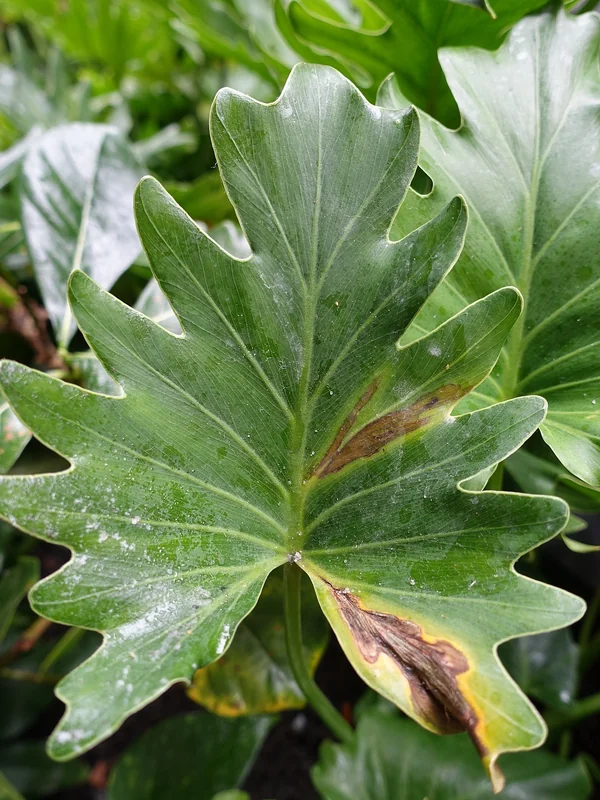
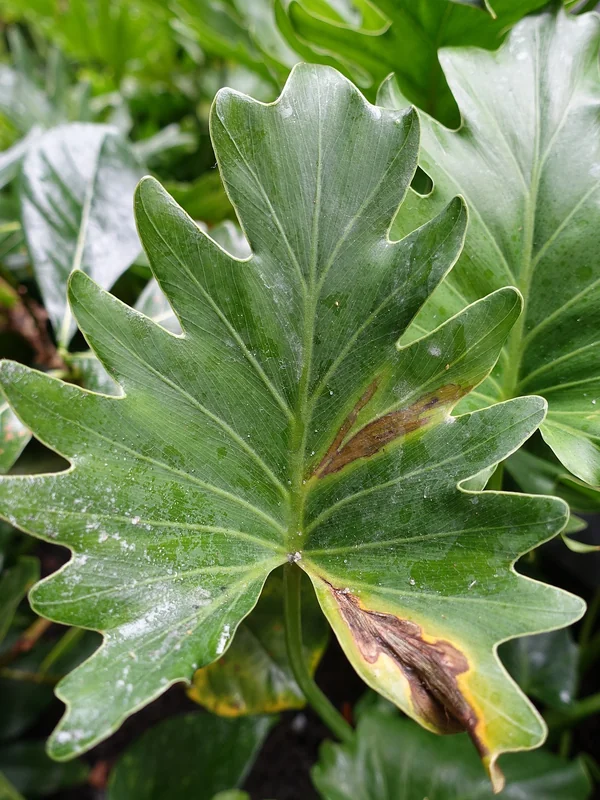
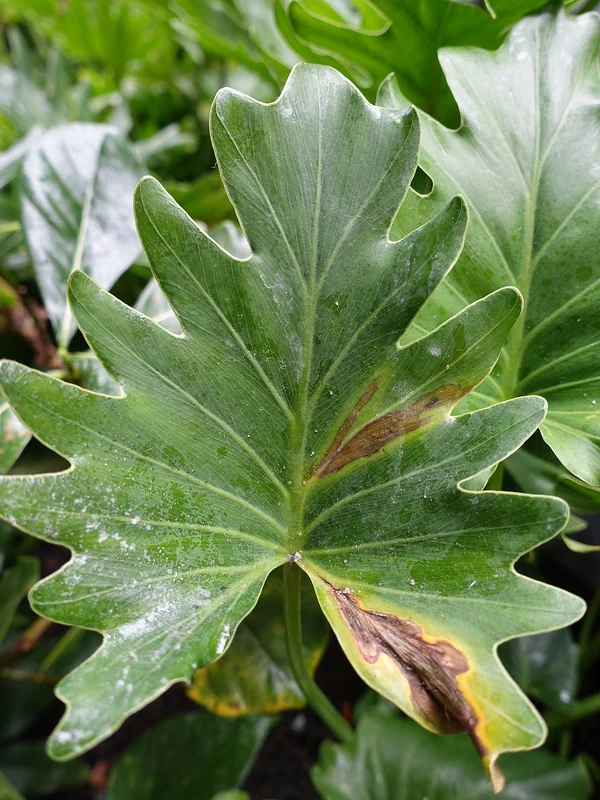
Philodendron acutifolium is a striking tropical plant known for its large, heart-shaped to elongated leaves. It's a vining species that can grow quite large in ideal conditions, making it a dramatic addition to a bright, humid indoor space. This guide will help you understand its specific needs for light, water, and humidity to thrive.
Care facts at a glance
- Light
- Bright indirect
- Water
- Water when the top 1-2 inches of soil feel dry to the touch, ensuring the soil is consistently moist but never waterlogged.
- Humidity
- 60–80 %
- Temperature
- 18–29 °C
- Soil
- A well-draining, airy potting mix rich in organic matter is ideal. A good blend includes orchid bark, perlite, and coco coir or peat moss to mimic its natural epiphytic growing conditions.
- Origin
- Native to a wide range across Central and South America, from Mexico down to Brazil, where it grows in tropical rainforests.
- Mature size
- Indoors, vines can reach 2-4 meters (6-13 feet) or more with support, and leaves can grow quite large.
Overview
Philodendron acutifolium is a robust vining plant from the Araceae family, cherished for its impressive foliage. Its leaves can vary in shape from broadly ovate to elongated, often with a pointed tip, giving it a distinctive appearance. As a tropical plant, it thrives in conditions that mimic its native rainforest environment, making it a rewarding challenge for indoor growers.
Care Priorities
To ensure your Philodendron acutifolium flourishes, focus on these key aspects:
- Bright, Indirect Light: Protect from direct sun, which can scorch leaves.
- Consistent Moisture: Keep soil moist but never soggy; allow the top layer to dry out.
- High Humidity: Aim for 60-80% humidity to prevent crispy leaf edges.
- Warm Temperatures: Maintain temperatures between 18-29°C (65-85°F).
- Well-Draining Soil: Use an aroid-specific mix for optimal root health.
Common Problems
Many issues with Philodendron acutifolium stem from improper environmental conditions. Yellowing leaves often indicate overwatering or nutrient deficiency, while brown, crispy edges usually point to low humidity or underwatering. Pests like spider mites and mealybugs can be managed with regular inspection and appropriate insecticidal soaps or neem oil. Root rot is a serious concern, typically caused by consistently wet soil and poor drainage.
Sources & further reading (4)
- encyclopedia — accessed 2026-04-24
- dataset — accessed 2026-04-24
- botanical-garden — accessed 2024-07-30
- botanical-garden — accessed 2024-07-30
Frequently asked questions
How do I know if my Philodendron acutifolium needs water?
Check the top 1-2 inches of soil. If it feels dry to the touch, it's time to water. The plant prefers consistent moisture but hates sitting in soggy soil.
Can Philodendron acutifolium tolerate low light?
While it can survive in lower light, Philodendron acutifolium will not thrive. Its growth will be leggy, and leaves may be smaller. Bright, indirect light is best for healthy growth.
Why are the leaves on my Philodendron acutifolium turning yellow?
Yellowing leaves often indicate overwatering, which can lead to root rot. It can also be a sign of nutrient deficiency or natural aging of older leaves. Check your watering habits and soil drainage first.
What kind of support does Philodendron acutifolium need?
As a vining plant, Philodendron acutifolium benefits from a moss pole, trellis, or other climbing support. This encourages larger leaf growth and a more upright habit.
Is Philodendron acutifolium toxic to pets?
Yes, like many Philodendrons, Philodendron acutifolium contains calcium oxalate crystals, which can be irritating if ingested. Keep it out of reach of pets and small children.