Peperomia scandens
Peperomia scandens (Cupid Peperomia) Care Guide
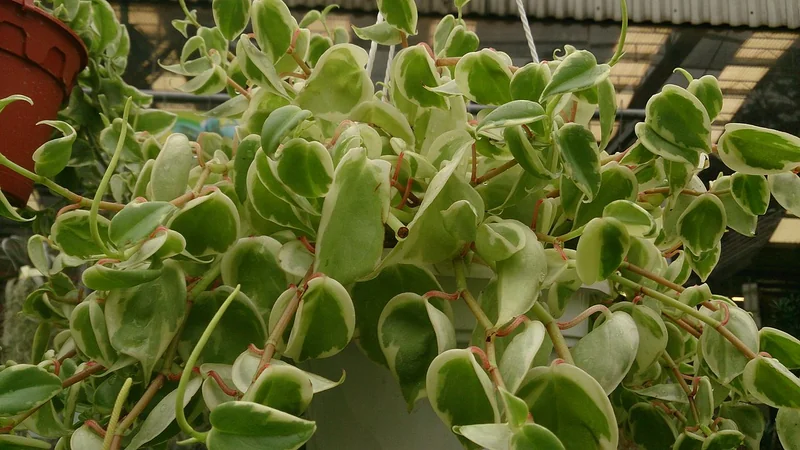 Featured photopeperomia-scandens.jpg
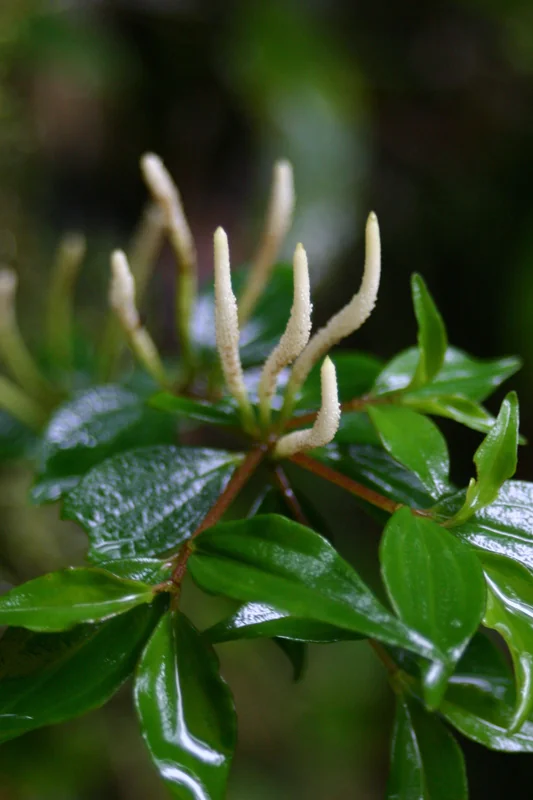
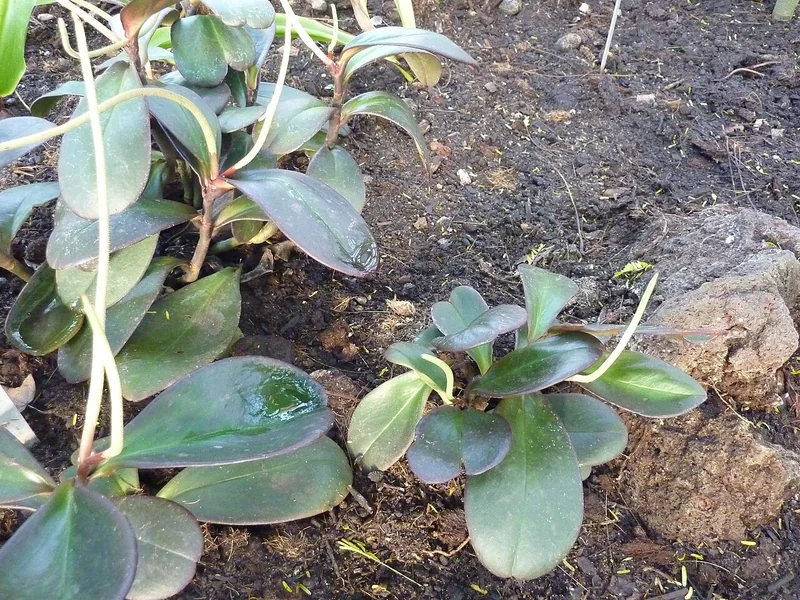
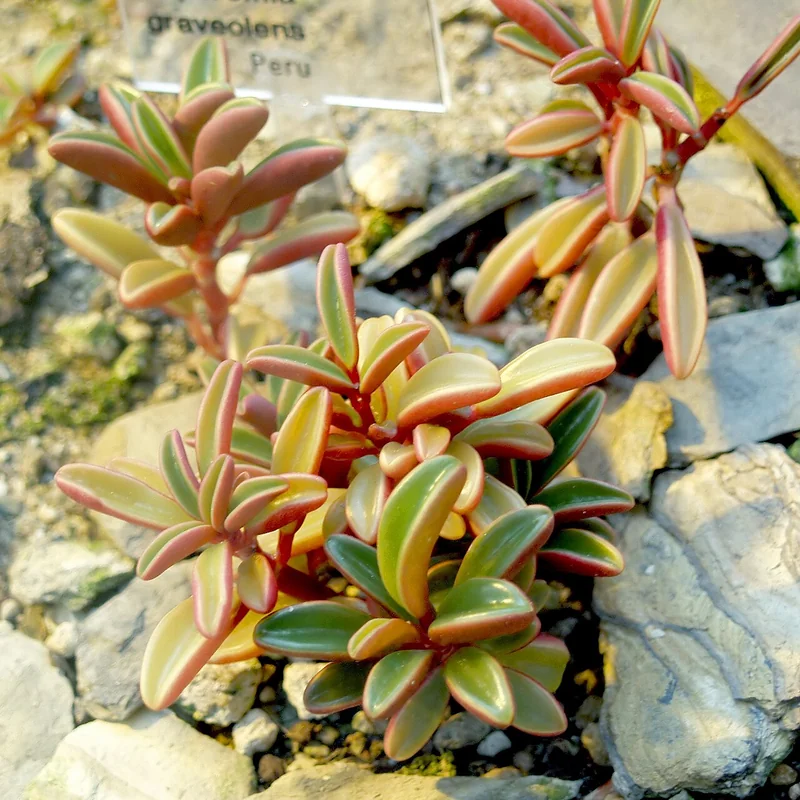
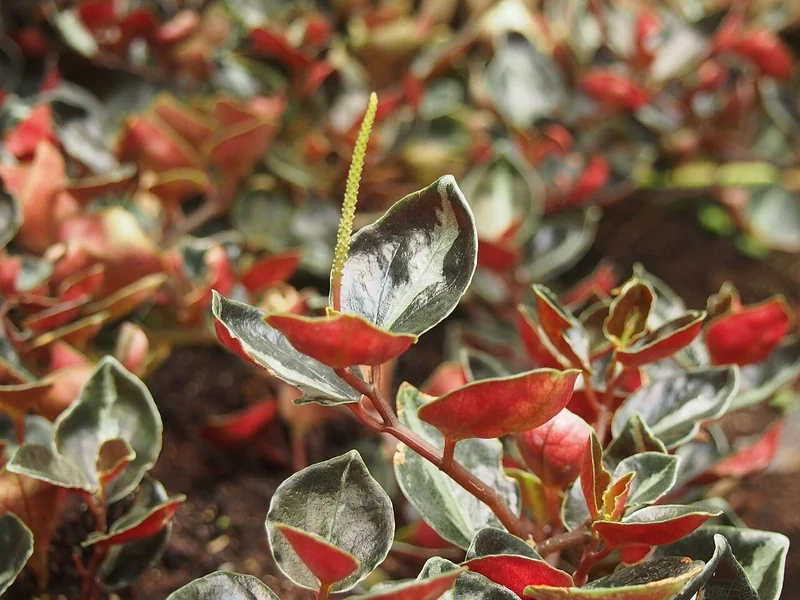
Peperomia scandens, sold as Cupid Peperomia, is a small Piperaceae herb in the genus Peperomia kept as a houseplant for its thick semi-succulent leaves and tolerance of average household conditions. A trailing tropical American Peperomia with heart-shaped fresh-green leaves on long stems, often sold under the cultivar name 'Variegata' with cream-edged foliage. Peperomia propagate easily from leaf or stem cuttings and tolerate occasional missed waterings.
Care facts at a glance
- Light
- Bright indirect
- Water
- Water when the top 3 cm of mix has dried.
- Humidity
- 40–60 %
- Temperature
- 16–24 °C
- Soil
- Free-draining houseplant mix with extra perlite — Peperomia roots are sensitive to compacted soil.
- Origin
- Tropical Americas, with secondary diversity in tropical Asia and Africa.
- Mature size
- 10 to 30 cm tall depending on species, similar or smaller spread.
Overview
Peperomia scandens belongs to Peperomia, a genus of about 1,500 species in the pepper family Piperaceae. A trailing tropical American Peperomia with heart-shaped fresh-green leaves on long stems, often sold under the cultivar name 'Variegata' with cream-edged foliage. The semi-succulent leaves and shallow root system are adaptations to the epiphytic and rocky habitats most species occupy in the wild.
Care Priorities
- Bright filtered light; many species also tolerate medium light.
- Water when the top 3 cm of soil is dry — Peperomia stores water in leaves and stems.
- Average household humidity (40 to 60 percent) is fine.
- Use a small pot — Peperomia roots resent excess soil volume that stays wet.
- Pinch growing tips to keep upright species bushy.
Common Problems
Wilting with moist soil indicates root rot from overwatering — repot into fresh free-draining mix. Yellow lower leaves suggest waterlogging. White cottony spots in leaf axils are mealybugs — dab with a cotton swab dipped in rubbing alcohol.
Sources & further reading (2)
- encyclopedia — accessed 2026-04-28
- botanical-garden — accessed 2026-04-28
Frequently asked questions
Should I let my Cupid Peperomia trail or train it upward?
Both work. Trailing in a hanging basket gives the most natural look; training onto a small moss pole produces denser foliage. Pinch growing tips either way to encourage branching.
How do I propagate a Peperomia from a leaf?
Cut a healthy leaf with a short petiole and insert the petiole into moist potting mix or vermiculite. Cover loosely to maintain humidity. New shoots emerge from the petiole base within 6 to 10 weeks.
How big do Peperomia get indoors?
Most Peperomia top out at 20 to 30 cm tall in cultivation; the species occupy a narrow size range and rarely outgrow a small pot. Mature plants stay compact rather than stretch in good light.