Monstera acuminata
Monstera acuminata Care Guide
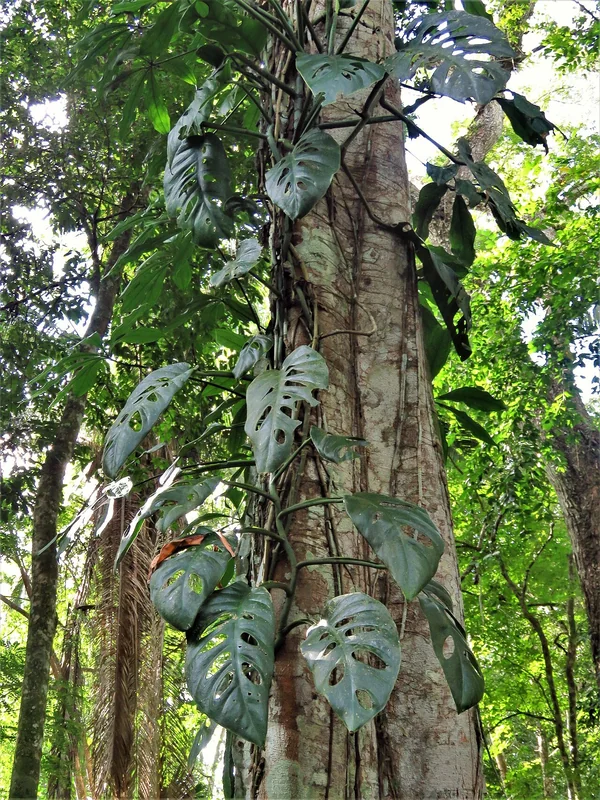 Featured photomonstera-acuminata.jpg
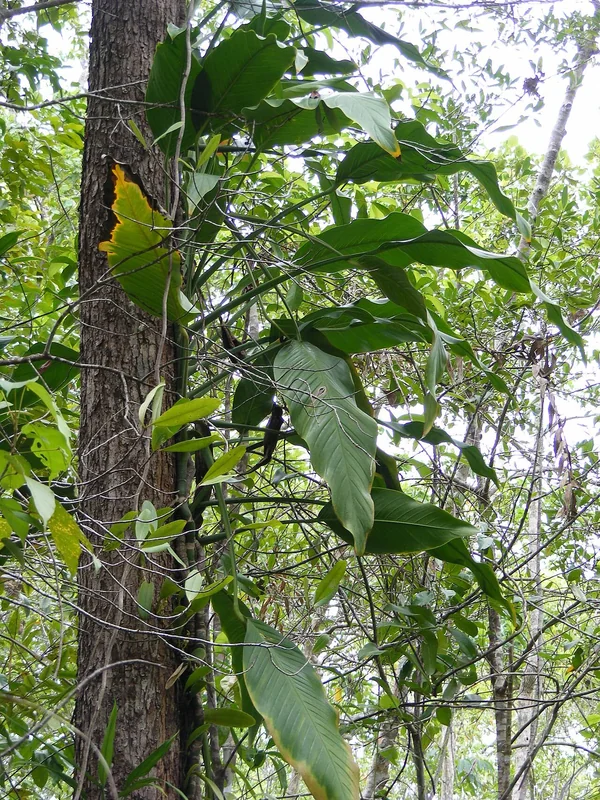
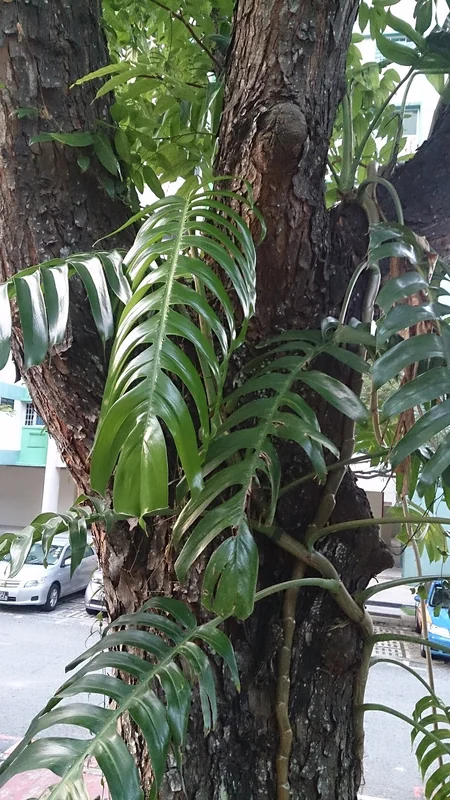
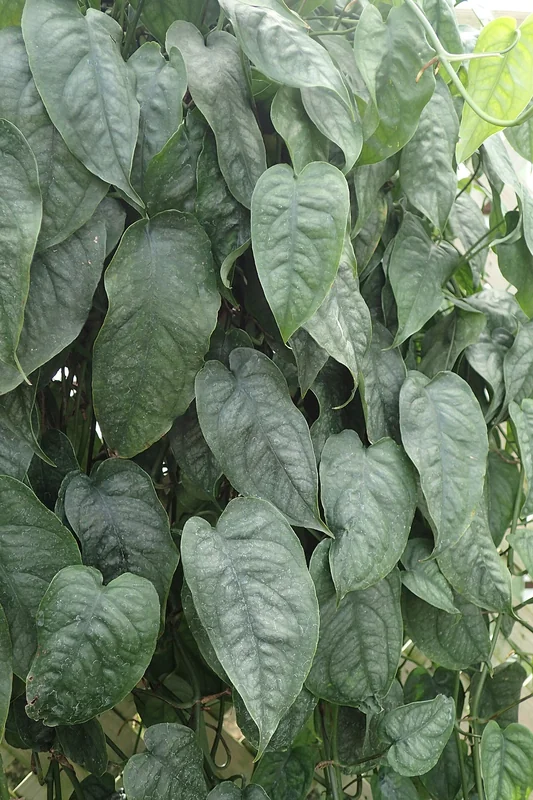
Monstera acuminata is a smaller, faster Central American climber often confused with M. adansonii. Its leaves are narrower, more pointed at the tip, and tend to fenestrate sooner with smaller, more elongated holes. It stays manageable on a short pole and is well suited to apartments where M. deliciosa would outgrow the room.
Care facts at a glance
- Light
- Bright indirect
- Water
- Water when the top 2 to 3 cm of mix dries.
- Humidity
- 50–70 %
- Temperature
- 18–29 °C
- Soil
- Chunky aroid mix of bark, perlite, and coir, roughly equal parts.
- Origin
- Rainforests of southern Mexico, Belize, Guatemala, and Honduras.
- Mature size
- Vines to 2 metres indoors with support.
Overview
Monstera acuminata is closely related to M. adansonii and frequently confused with it in trade. Acuminata tends to be smaller-leaved with sharper leaf tips and faster to fenestrate on a climb.
Care Priorities
- A short moss pole encourages adult leaf form quickly.
- Bright filtered light; tolerates a little less light than adansonii but slows down.
- Water on the dry side of moist.
- Pinch back leggy stems to keep growth bushy.
Common Problems
Yellow lower leaves are typical age turnover; fast yellowing through the vine is overwatering. Crisp edges are dry air. Tiny stippling on leaves often means spider mites — check undersides.
Sources & further reading (2)
- encyclopedia — accessed 2026-04-28
- botanical-garden — accessed 2026-04-28
Frequently asked questions
Is it the same as adansonii?
No. Acuminata is generally smaller, with narrower more pointed leaves; adansonii has broader oval leaves with rounder holes.
Does it climb?
Yes — it is a true climber and reaches its best form on a moss pole.
Suitable for a small flat?
Yes. It stays smaller than M. deliciosa and tolerates ordinary indoor humidity.