Epipremnum pinnatum
Epipremnum pinnatum Care Guide
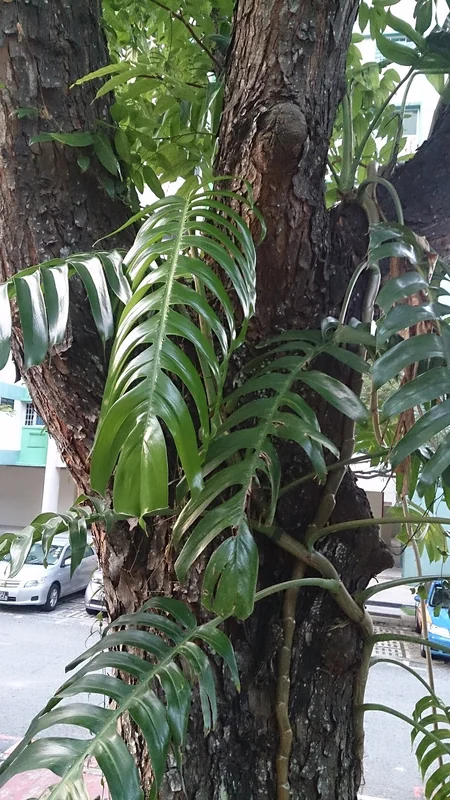 Featured photoepipremnum-pinnatum.jpg
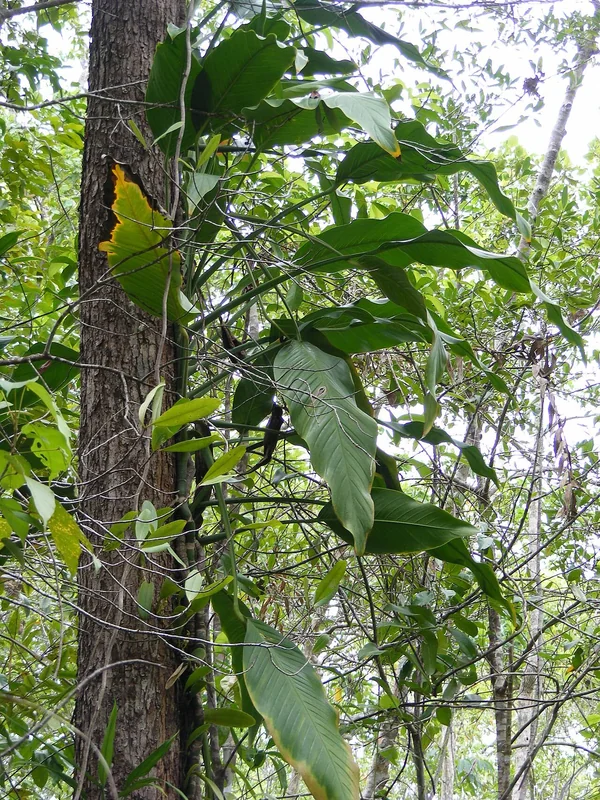
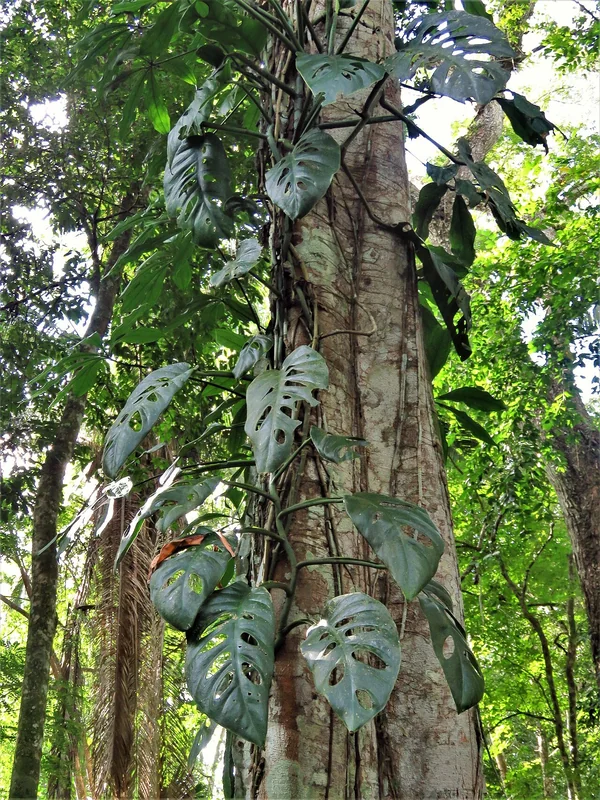
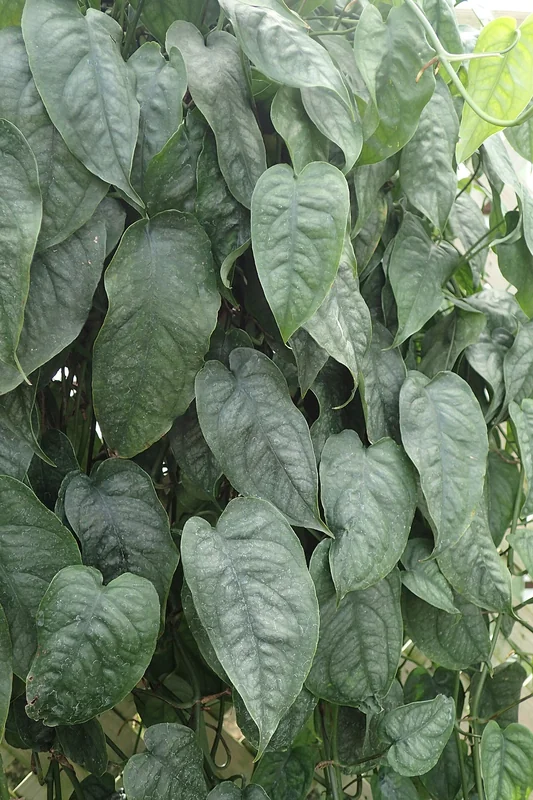
Epipremnum pinnatum is the wild parent species of golden pothos, but it stays a true wild form: juvenile heart-shaped leaves on a trailing vine, transitioning to deeply pinnate, fenestrated leaves once the vine climbs and matures. The Cebu Blue cultivar is a popular silver-blue juvenile clone of this species. It is fast, forgiving, and dramatic on a tall pole.
Care facts at a glance
- Light
- Bright indirect
- Water
- Water when the top 2 to 3 cm of mix has dried.
- Humidity
- 50–70 %
- Temperature
- 18–29 °C
- Soil
- Chunky aroid mix of bark, perlite, and coir.
- Origin
- Tropical forests from northern Australia through Southeast Asia to the western Pacific.
- Mature size
- Vines to 4 metres or more indoors with support; adult leaves up to 70 cm long.
Overview
Epipremnum pinnatum is the wild species behind the cultivar Epipremnum aureum. Cebu Blue is a juvenile-form selection from Cebu in the Philippines that holds its silver-blue colour at small size, making it popular for hanging pots.
Care Priorities
- A tall moss pole triggers the adult pinnate leaf form.
- Bright filtered light keeps internodes tight and colours strong.
- Let the top of the mix dry between waterings.
- Pinch back to encourage branching.
Common Problems
Stalling at juvenile leaf form is almost always a lack of climbing support. Yellow leaves are overwatering. Long bare stems with small leaves point to insufficient light.
Sources & further reading (2)
- encyclopedia — accessed 2026-04-28
- botanical-garden — accessed 2026-04-28
Frequently asked questions
Cebu Blue vs Pothos vs Dragon Tail — what is what?
Cebu Blue and Dragon Tail are common cultivar names of Epipremnum pinnatum. Pothos most often refers to the related E. aureum. All are in the same genus and share care.
How tall a pole?
1.5 to 2 metres for the adult fenestrated form. Shorter poles tend to keep juvenile leaves.
Why is my Cebu Blue losing its silver?
Climbing into adult form changes leaf colour and shape. Cuttings from the trailing juvenile section keep the silver look.