Hedera rhombea
Hedera rhombea (Japanese Ivy) Care Guide
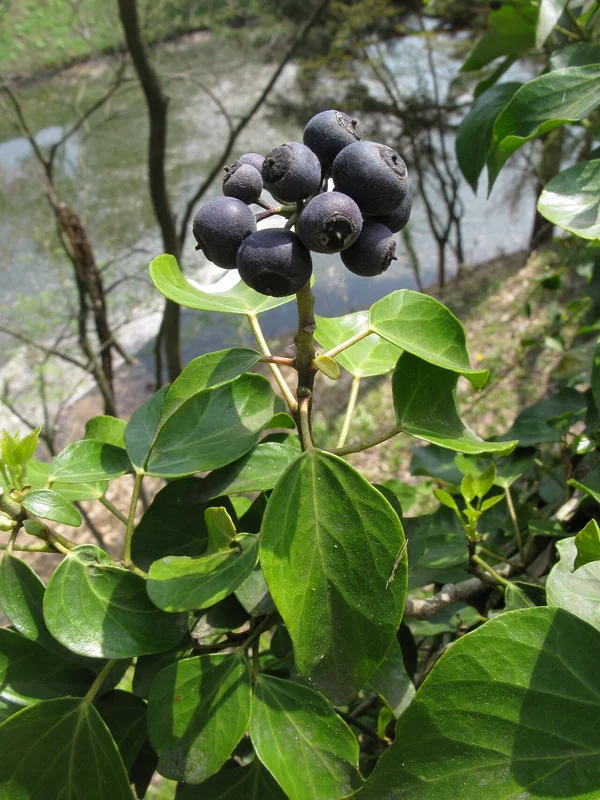 Featured photohedera-rhombea.jpg
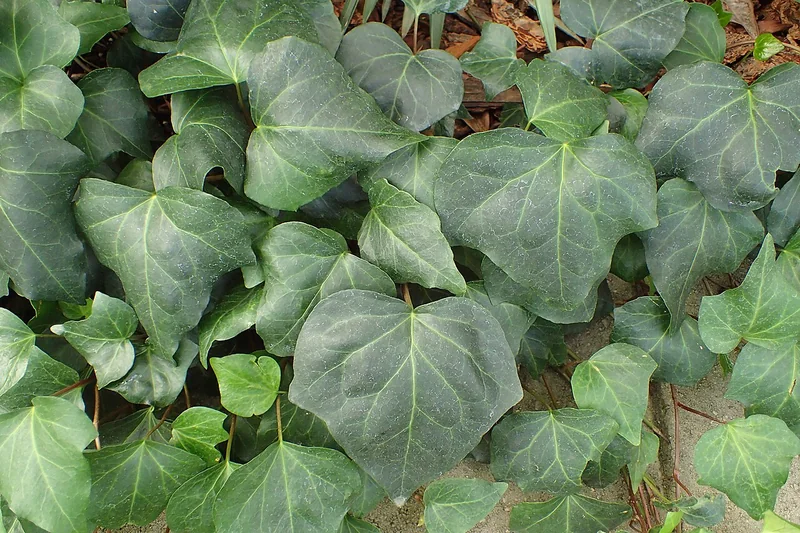
Hedera rhombea, sold as Japanese Ivy, is a hardy evergreen Araliaceae climbing vine native to Europe and adapted to indoor culture as a trailing or climbing houseplant. Native to Japan, Taiwan, and Korea, this East Asian Hedera has small diamond-shaped leaves with shallow lobes and a slower growth habit than the European species. Hedera prefers cooler rooms than most tropical houseplants, which makes it well suited to bright unheated rooms or porches.
Care facts at a glance
- Light
- Bright indirect
- Water
- Water when the top 2 to 3 cm of mix has dried.
- Humidity
- 40–60 %
- Temperature
- 7–21 °C
- Soil
- Standard houseplant mix with added perlite for drainage.
- Origin
- Europe, North Africa, and western Asia, with a few species extending into the Himalayas and Japan.
- Mature size
- Trails or climbs several metres outdoors; stays under 1 m indoors.
Overview
Hedera rhombea is one of about 15 species in Hedera, the only ivy genus in the family Araliaceae. Native to Japan, Taiwan, and Korea, this East Asian Hedera has small diamond-shaped leaves with shallow lobes and a slower growth habit than the European species. The genus shows distinctive juvenile (lobed climbing) and adult (oval flowering) leaf forms.
Care Priorities
- Bright indirect light; cool rooms (10 to 18 °C) bring out the colour in variegated forms.
- Water when the top 2 to 3 cm of soil is dry.
- Average humidity is fine; mist or shower the leaves monthly to deter spider mites.
- Prune anytime to control trailing length and shape.
- Provide a moss pole or trellis if you want it to climb upward instead of trailing.
Common Problems
Crispy leaves and webbing under leaves are spider mites — the single most common Hedera pest indoors. Yellow leaves usually mean overwatering. Loss of variegation in cultivars is a low-light problem; move to a brighter spot.
Sources & further reading (2)
- encyclopedia — accessed 2026-04-28
- botanical-garden — accessed 2026-04-28
Frequently asked questions
How is Japanese Ivy different from English Ivy?
H. rhombea has smaller diamond-shaped leaves with much shallower lobes than H. helix, and grows more slowly. It is the only Hedera native to East Asia.
Why does my ivy keep getting spider mites?
Indoor Hedera is famously prone to spider mites because the warm dry air of most homes is ideal for them. Shower the foliage every two weeks and keep the room cool to slow mite reproduction.
Why is my Hedera losing its variegation?
Variegated ivy reverts to plain green in deep shade. Move it to bright filtered light and prune any all-green shoots back to a leaf node; fresh growth usually returns patterned.