Hedera canariensis
Hedera canariensis (Algerian Ivy) Care Guide
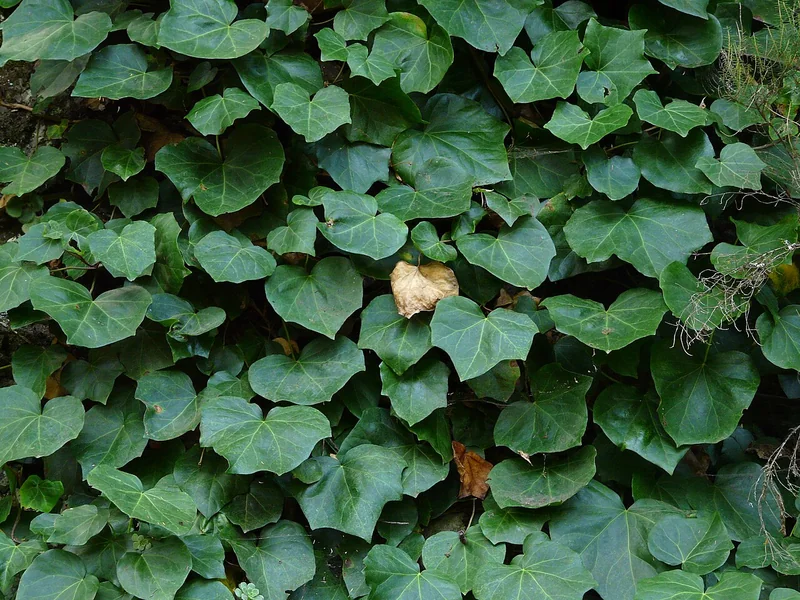 Featured photohedera-canariensis.jpg
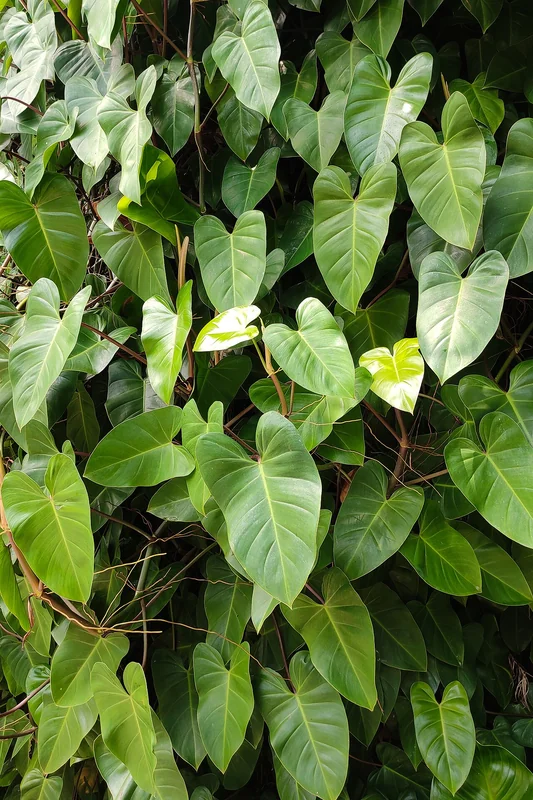
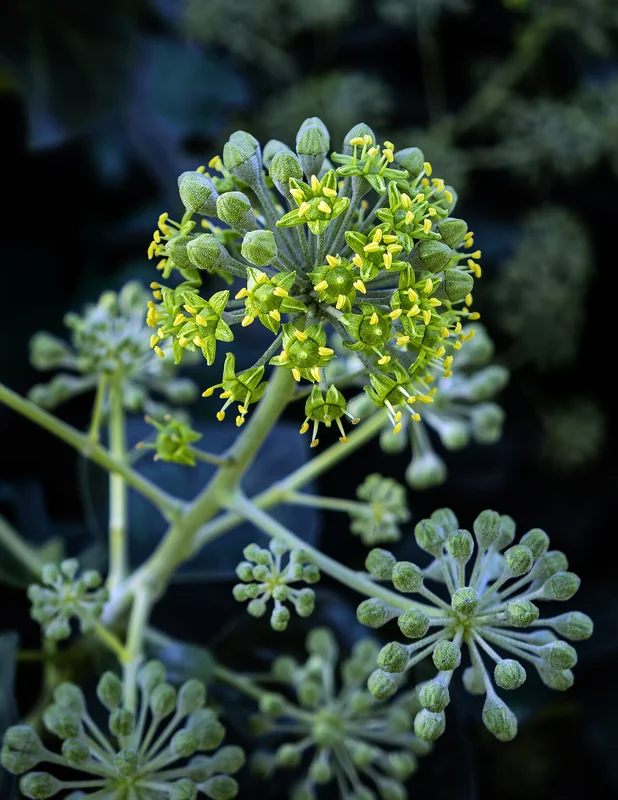
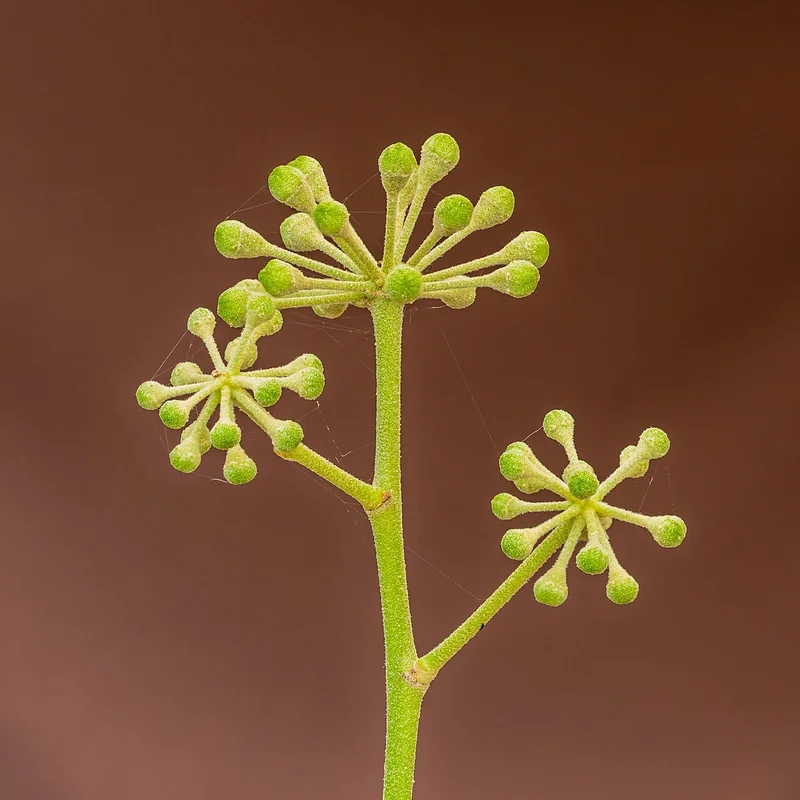
Hedera canariensis is the Algerian or Canary ivy, a North African evergreen with large, glossy leaves on red-tinged stems. It tolerates warmer temperatures than English ivy and grows more vigorously, making it suitable for warm rooms where H. helix would struggle. The variegated cultivar Gloire de Marengo is the most common in trade.
Care facts at a glance
- Light
- Medium light
- Water
- Water when the top 2 to 3 cm of mix has dried.
- Humidity
- 40–60 %
- Temperature
- 15–27 °C
- Soil
- Standard well-draining houseplant mix with perlite.
- Origin
- North Africa, Madeira, and the Canary Islands.
- Mature size
- Vining stems to 2 metres indoors.
Overview
Hedera canariensis was described in the 1700s and is widely planted as an outdoor wall climber in Mediterranean climates. The Gloire de Marengo cultivar with cream-white margins on dark green is the most common indoor form.
Care Priorities
- More heat-tolerant than English ivy — does well in warm rooms.
- Medium to bright filtered light.
- Allow the top of the mix to dry between waterings.
- Watch for spider mites despite the glossier, larger leaves.
Common Problems
Spider mites are the most common pest. Yellow leaves are overwatering. Crispy white margins on Gloire de Marengo are dry air or hard water.
Sources & further reading (2)
- encyclopedia — accessed 2026-04-28
- botanical-garden — accessed 2026-04-28
Frequently asked questions
Canariensis vs helix — care difference?
Canariensis tolerates warmer temperatures and grows faster. Helix prefers cooler conditions and produces a denser trailing form.
Why are the white margins on Gloire de Marengo turning brown?
Variegated tissue burns more easily than green tissue. Move out of direct sun and increase humidity.
Can it climb a wall indoors?
Yes, on a porous surface like cork or untreated wood. It cannot grip glass or sealed paint.