Crassula perforata
Crassula perforata (String of Buttons) Care Guide
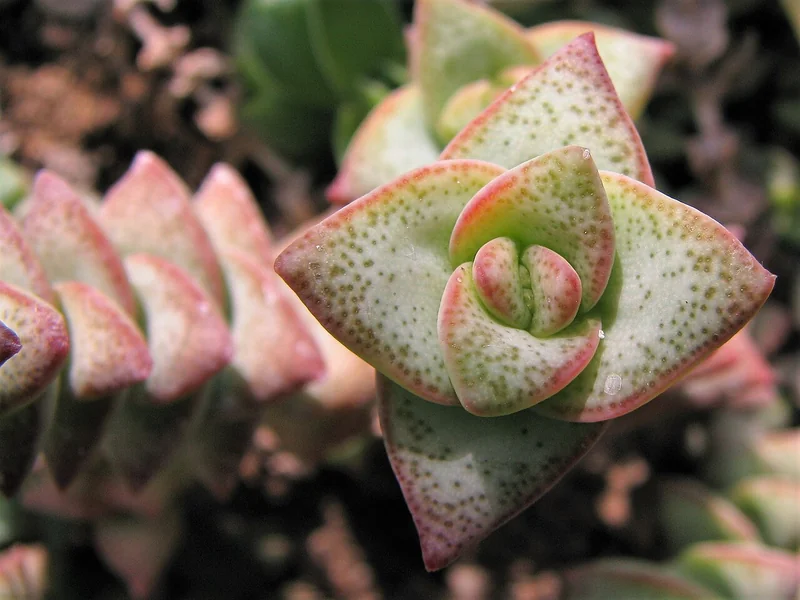 Featured photocrassula-perforata.jpg
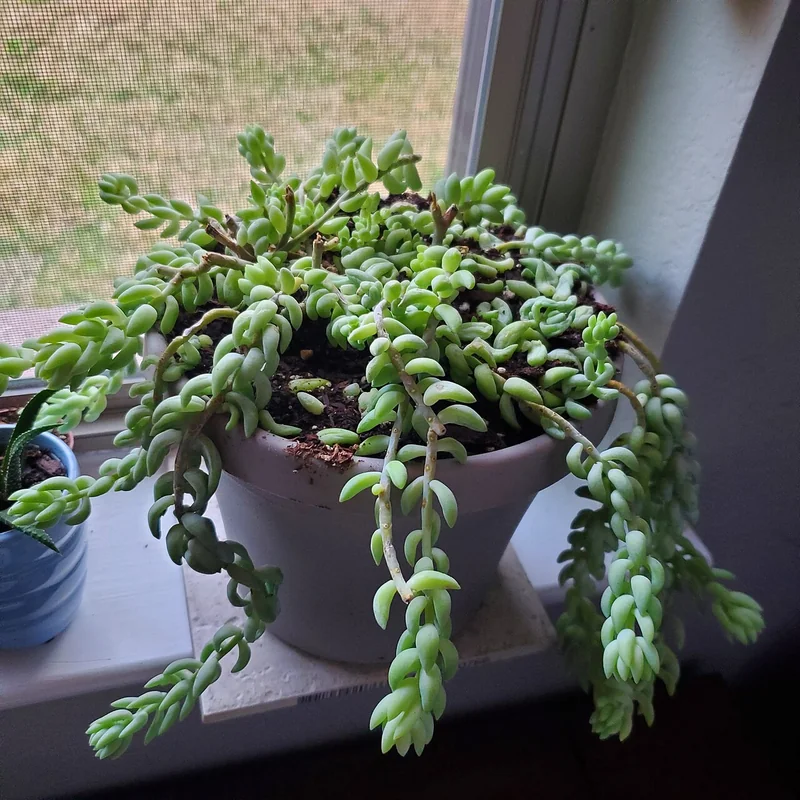
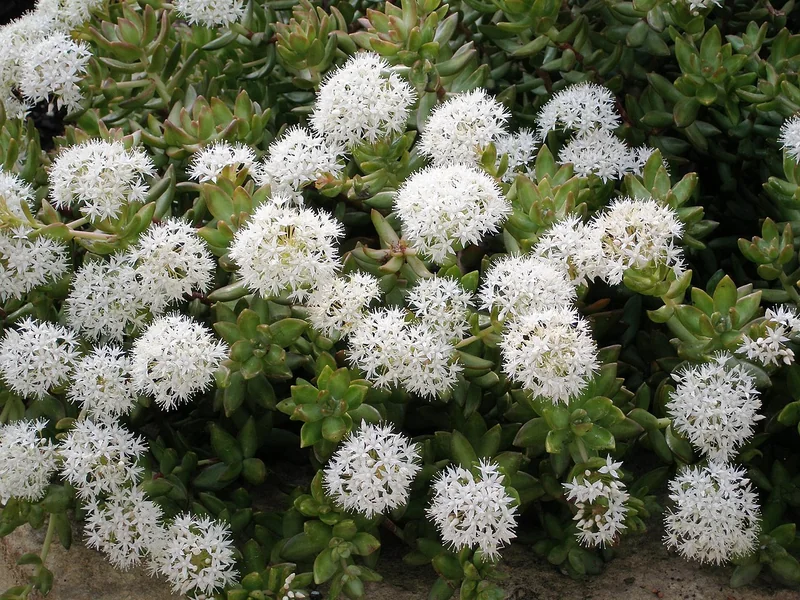
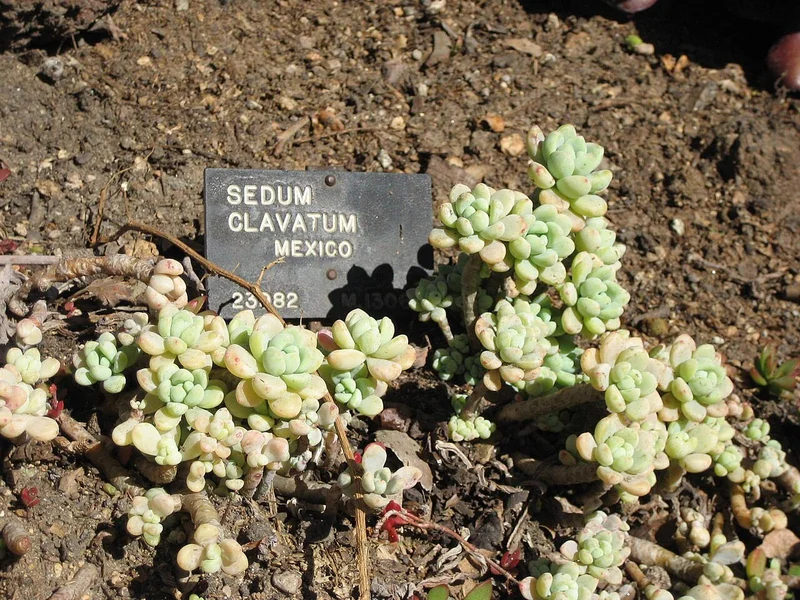
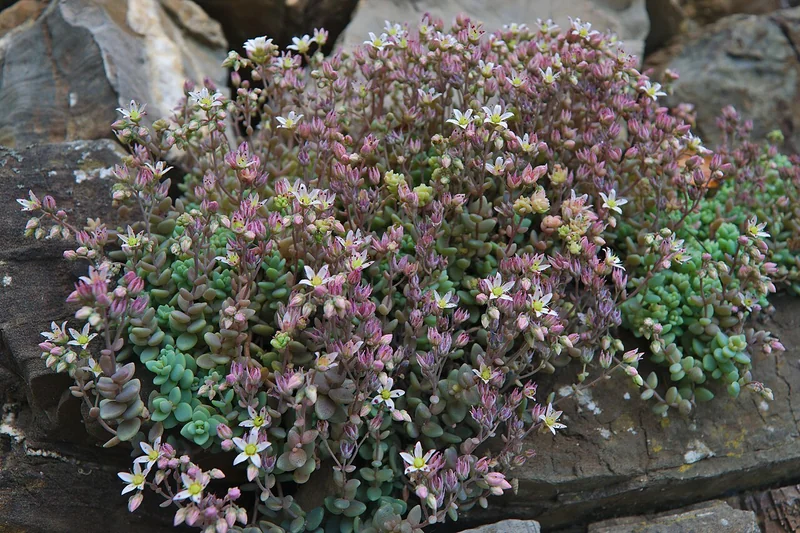
Crassula perforata is the string of buttons, a South African succulent with pairs of triangular leaves stacked along the stem like buttons threaded on a string. The leaves are pale green with reddish edges that intensify in bright sun. It is fast-growing for a succulent and easy to propagate from any stem segment.
Care facts at a glance
- Light
- Full sun
- Water
- Water when the mix is fully dry; typically every 2 to 3 weeks in summer.
- Humidity
- 30–50 %
- Temperature
- 15–27 °C
- Soil
- Free-draining cactus or succulent mix.
- Origin
- Eastern Cape, South Africa.
- Mature size
- 30 to 45 cm tall, sprawling.
Overview
Crassula perforata is so named because the paired leaves appear to be perforated by the stem passing through them. The reddish leaf edges deepen in full sun.
Care Priorities
- Full sun or very bright filtered light brings out the red edges.
- Water rarely — the thick leaves store reserves.
- Free-draining mix; rot is the main killer.
- Pinch back to keep stems upright; sprawled stems root where they touch soil.
Common Problems
Yellow soft leaves are overwatering. Pale leaves with no red edges are too little light. Long stretched stems are leggy growth from low light.
Sources & further reading (2)
- encyclopedia — accessed 2026-04-28
- botanical-garden — accessed 2026-04-28
Frequently asked questions
How do I get the red edges?
Bright, direct sun or a few hours of full sun daily. Without strong light the edges fade to plain green.
Easy to propagate?
Yes — any stem segment with a few pairs of leaves roots in moist mix within 2 to 3 weeks.
Indoor or outdoor?
Both. Bring indoors before frost; outdoor culture in warm climates suits the plant best.