Crassula muscosa lycopodioides
Crassula muscosa lycopodioides (Watch Chain) Care Guide
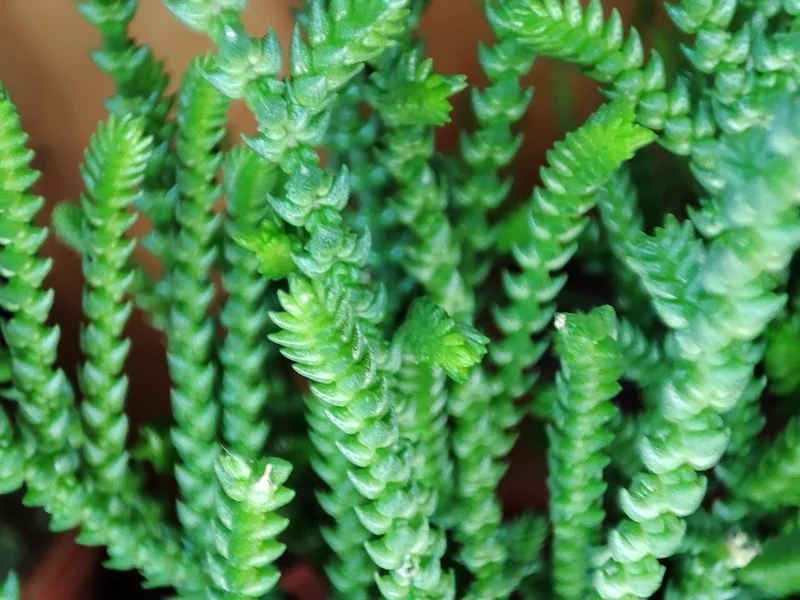 Featured photocrassula-lycopodioides.jpg
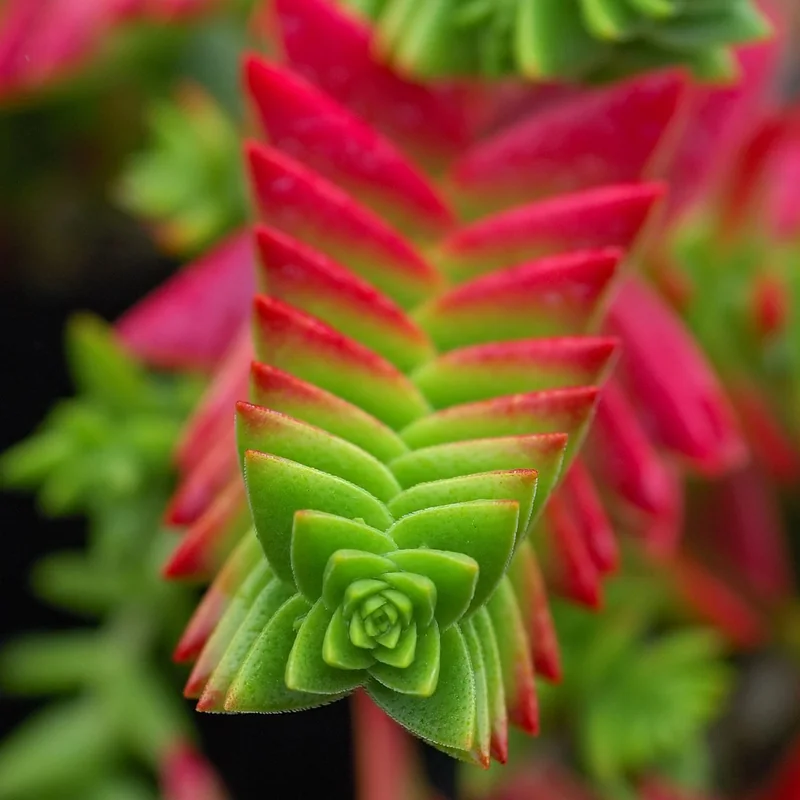
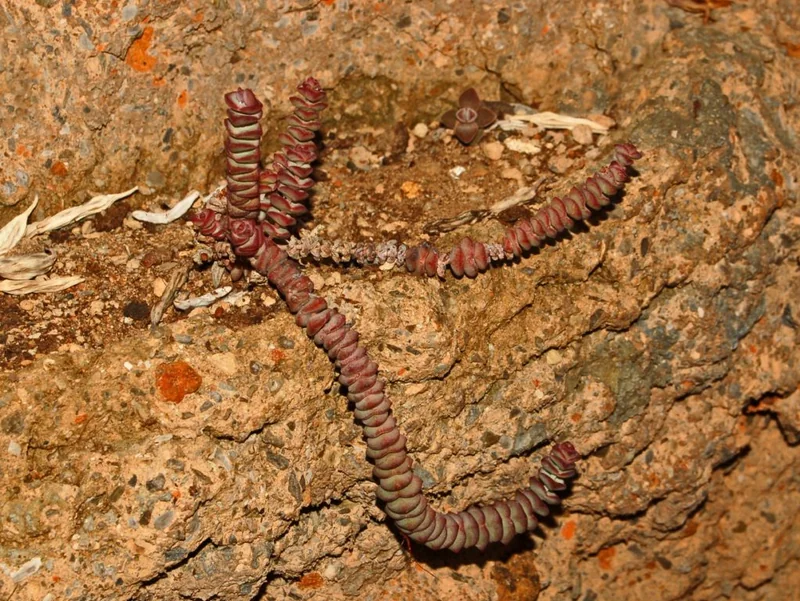
Crassula muscosa lycopodioides, sold as Watch Chain, is a member of *Crassula*, a southern African succulent genus of around 200 species. A South African branching succulent with tiny scale-like leaves tightly wrapped around slender stems, giving the plant the appearance of fine green chains. A form of C. muscosa, sometimes treated as a separate species. Like most Crassula it tolerates long dry spells thanks to its thick fleshy leaves, and propagates readily from stem or leaf cuttings.
Care facts at a glance
- Light
- Full sun
- Water
- Water deeply when the mix is fully dry, then drain completely.
- Humidity
- 20–50 %
- Temperature
- 10–27 °C
- Soil
- Free-draining cactus or succulent mix with extra perlite or pumice.
- Origin
- Mostly southern Africa (Western and Eastern Cape), with a few species across tropical Africa and Madagascar.
- Mature size
- 10 to 60 cm tall depending on species; some cultivars stay compact.
Overview
Crassula muscosa lycopodioides sits in Crassula, the type genus of Crassulaceae and the family that gives the broader succulent group its name. A South African branching succulent with tiny scale-like leaves tightly wrapped around slender stems, giving the plant the appearance of fine green chains. A form of C. muscosa, sometimes treated as a separate species. Most Crassula come from the winter-rainfall western Cape and grow during cool wet months, slowing through hot dry summers — the reverse of the seasonal pattern most northern hemisphere growers expect.
Care Priorities
- Full sun or very bright filtered light keeps stems compact.
- Free-draining mix; sustained moisture rots the roots.
- Water deeply, then let the mix dry fully.
- Many species rest in summer rather than winter — adjust watering accordingly.
Common Problems
Soft, mushy stems are overwatering — almost always fatal once it reaches the base. Wilted leaves on a dry plant recover quickly after a deep watering. Black spots on stems are a fungal sign of stress; cut back to clean tissue and replant.
Sources & further reading (2)
- encyclopedia — accessed 2026-04-29
- botanical-garden — accessed 2026-04-29
Frequently asked questions
Is this different from Crassula muscosa?
Most modern taxonomies treat lycopodioides as a form of C. muscosa. The two are nearly indistinguishable — lycopodioides has slightly more closely spaced leaves and a denser overall texture, but plants are sold under either name.
Why is my Crassula losing leaves at the base?
Lower-leaf drop is normal in mature Crassula and accelerates during the natural rest period. As long as the upper rosette stays firm, the bare stem is structural rather than sick — many species develop attractive woody trunks over time.
Can I prune Crassula to keep it bushy?
Yes — Crassula tolerates pruning well. Cut back leggy stems just above a leaf node and root the cuttings in dry succulent mix. The parent plant typically pushes multiple new shoots from below the cut.