Cissus rhombifolia
Cissus rhombifolia (Grape Ivy) Care Guide
 Featured photocissus-rhombifolia.jpg
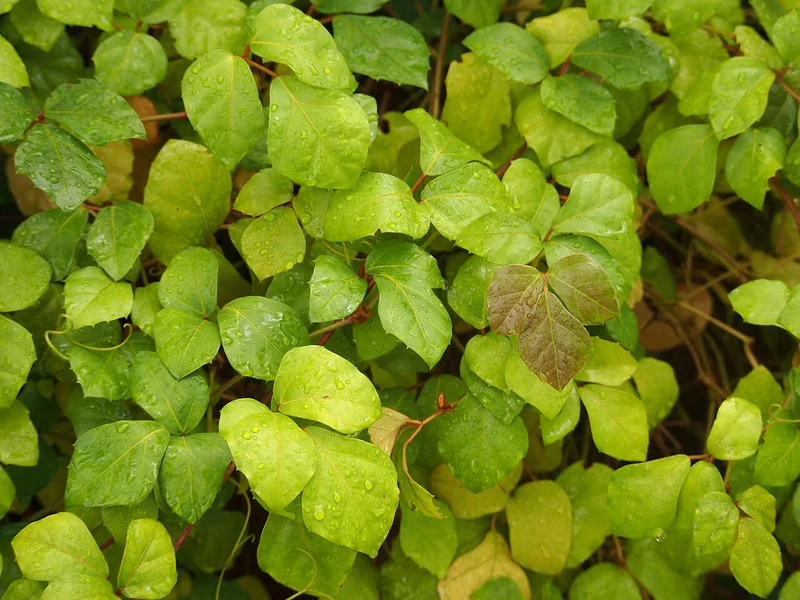
Cissus rhombifolia is the grape ivy, a South American climbing vine in the grape family with three-leaflet, diamond-shaped leaves and curly tendril climbers. It tolerates a wide range of indoor conditions, from bright windowsills to dimmer corners, and is one of the most forgiving climbers for beginners. Mature plants can climb several metres on a moss pole or trellis.
Care facts at a glance
- Light
- Medium light
- Water
- Water when the top 2 cm of mix has dried.
- Humidity
- 40–60 %
- Temperature
- 16–27 °C
- Soil
- Well-draining houseplant mix with perlite.
- Origin
- Northern South America and the Caribbean.
- Mature size
- Vines to 2 to 3 metres on supports.
Overview
Cissus rhombifolia is in the same family as grapevines and shares the tendril-climbing habit. It has been a workhorse indoor climber for decades because of its tolerance of imperfect conditions.
Care Priorities
- Medium to bright filtered light.
- Provide a moss pole or trellis for tendrils to grip.
- Allow the top of the mix to dry between waterings.
- Pinch back to encourage branching.
Common Problems
Yellow leaves are overwatering. Powdery mildew is from low airflow. Long bare stems are leggy growth from low light.
Sources & further reading (2)
- encyclopedia — accessed 2026-04-28
- botanical-garden — accessed 2026-04-28
Frequently asked questions
Is it really an ivy?
No — Cissus rhombifolia is in the grape family (Vitaceae), not the ivy family. The trade name is misleading.
Best for offices?
Yes — grape ivy is one of the more low-light-tolerant climbers and is widely used in office plant displays.
Why are the tendrils curling?
Tendrils curl when they touch a support. Provide a moss pole or trellis and the plant will climb naturally.