Aglaonema nitidum
Aglaonema nitidum Care Guide
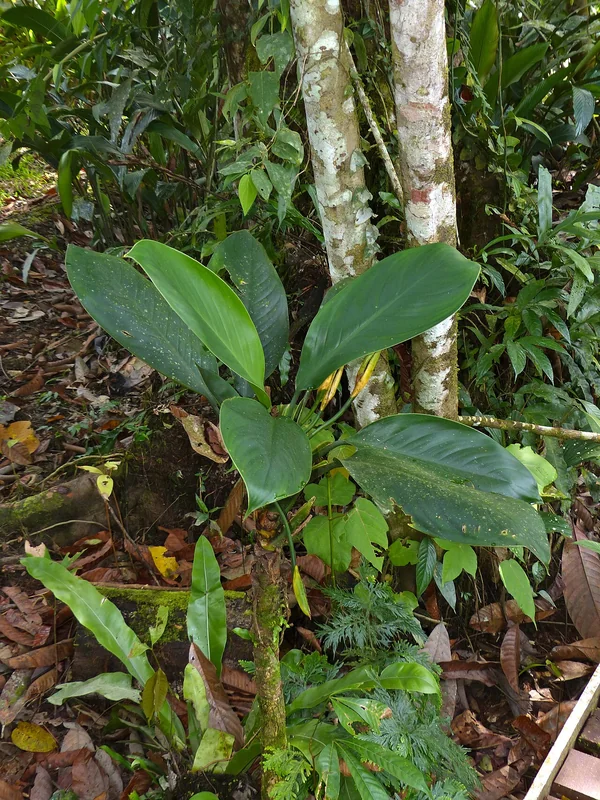 Featured photoaglaonema-nitidum.jpg
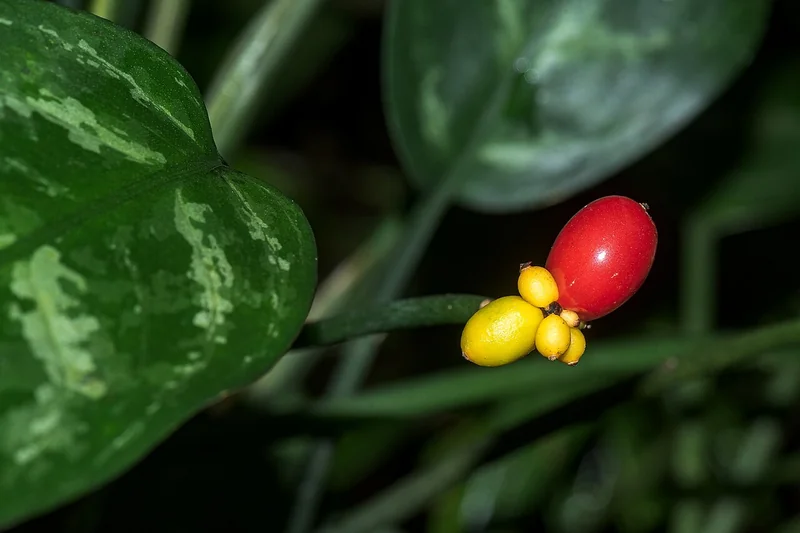
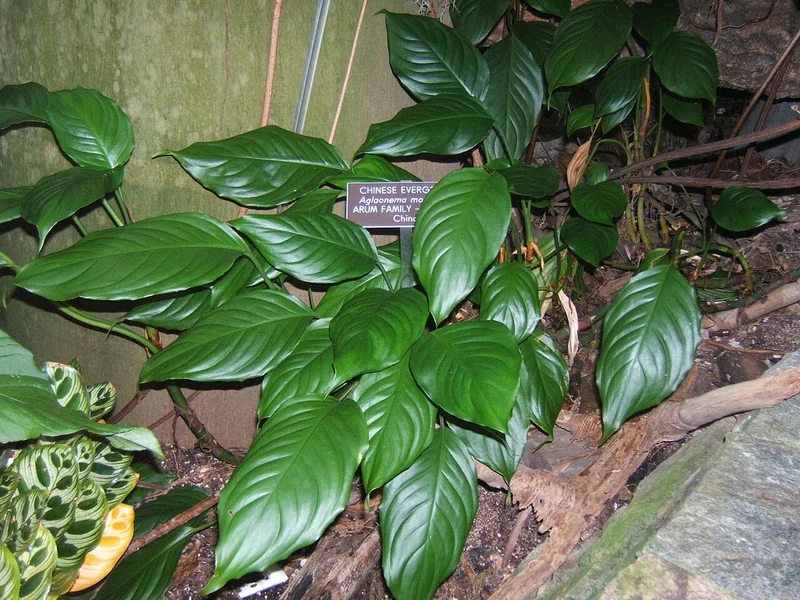
Aglaonema nitidum is a Southeast Asian aglaonema with broad, deeply glossy, dark-green leaves and an upright clumping habit. It is one of the larger aglaonemas, reaching almost a metre tall, and one of the parent species behind several modern hybrid cultivars. It tolerates very low light and is a workhorse foliage plant for offices and dimmer rooms.
Care facts at a glance
- Light
- Medium light
- Water
- Water when the top 2 to 3 cm of mix has dried.
- Humidity
- 40–60 %
- Temperature
- 18–27 °C
- Soil
- Standard well-draining houseplant mix with perlite.
- Origin
- Forests of Thailand, Malaysia, Indonesia, and the Philippines.
- Mature size
- 60 to 90 cm tall.
Overview
Aglaonema nitidum was described in the 1800s from Southeast Asian material and is one of the parent species in the modern Chinese evergreen breeding programme. The species name nitidum means glossy.
Care Priorities
- Medium light is the sweet spot; tolerates very low light.
- Allow the top of the mix to dry between waterings.
- Wipe the glossy leaves regularly to keep dust off.
- Pinch back tall stems to encourage clumping.
Common Problems
Yellow leaves are overwatering. Crispy edges are dry air. Loss of glossy texture in old leaves is normal aging.
Sources & further reading (2)
- encyclopedia — accessed 2026-04-28
- botanical-garden — accessed 2026-04-28
Frequently asked questions
Nitidum vs commutatum — same plant?
Different species, both in the Aglaonema genus. Nitidum has plain glossy green leaves; commutatum has silver-green markings.
Why does it tolerate office light so well?
Aglaonemas evolved as forest-floor plants and adapted to extremely low light. Nitidum is among the most shade-tolerant in the genus.
How often should I repot?
Every 2 to 3 years, or when the clump fills the pot. Spring is the best time.