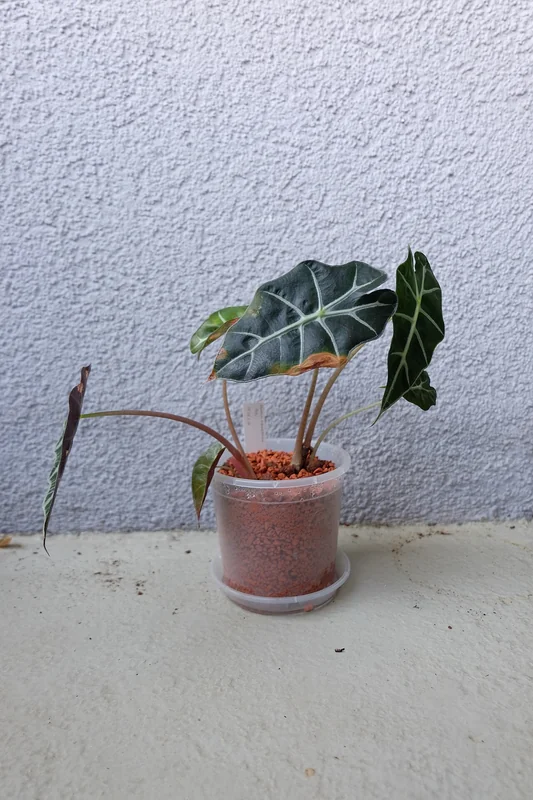
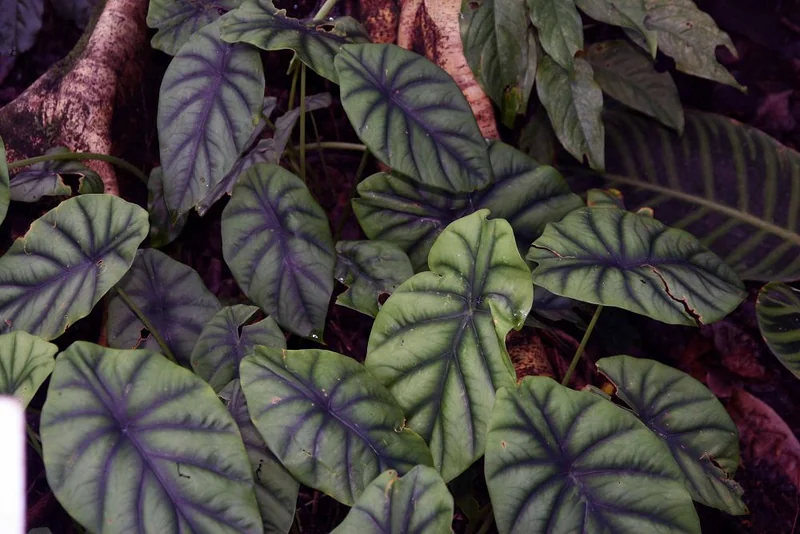
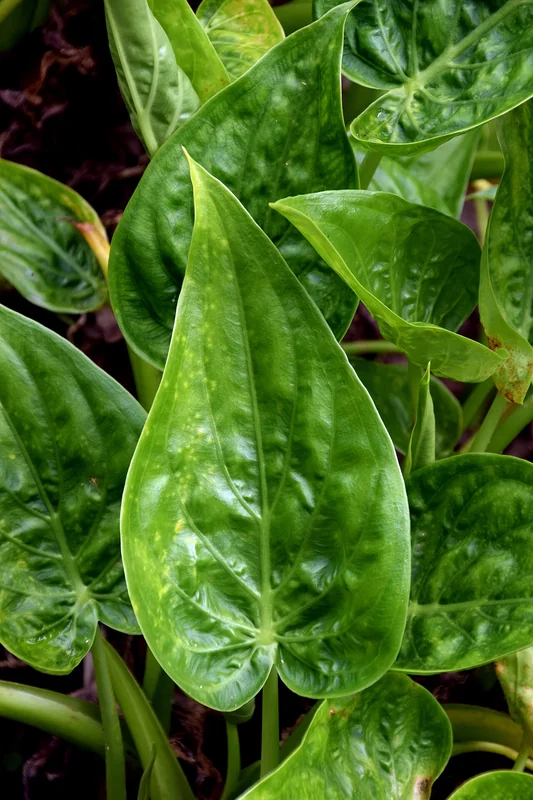
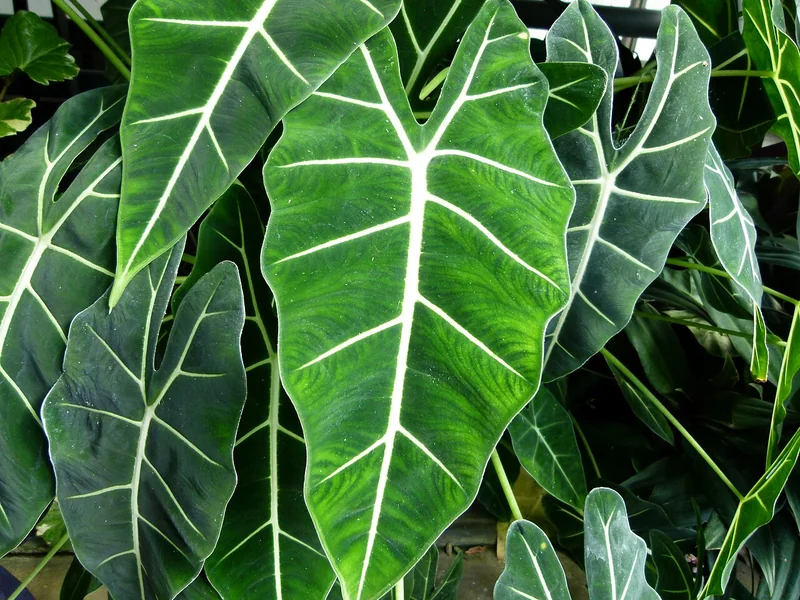
Goeppertia insignis
Calathea lancifolia (Rattlesnake Plant) Care Guide
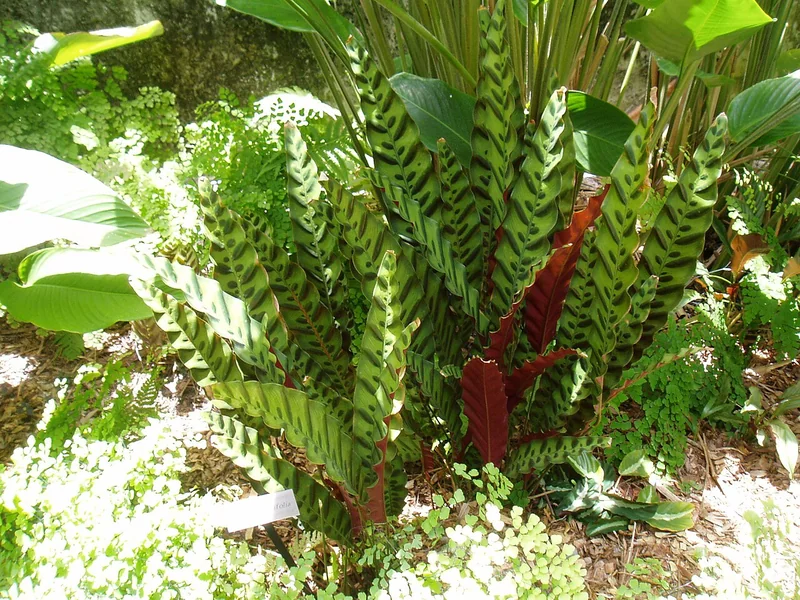 Featured photocalathea-lancifolia.jpg
Calathea lancifolia, currently Goeppertia insignis, is the rattlesnake plant — long, wavy-edged lance-shaped leaves marked with alternating dark and light green spots, and deep purple undersides that show when the leaves fold up at night. It is one of the more forgiving prayer plants and a good first calathea for indoor growers.
Care facts at a glance
- Light
- Bright indirect
- Water
- Water when the top 1 to 2 cm of mix has dried; never let the rest dry out completely.
- Humidity
- 50–70 %
- Temperature
- 18–27 °C
- Soil
- Peat-rich, well-draining mix with perlite for air.
- Origin
- Forests of southeastern Brazil.
- Mature size
- 60 to 90 cm tall, similar spread.
Overview
Goeppertia insignis is one of the older calatheas in cultivation, with the trade name rattlesnake plant earned by its wavy spotted leaves. The dark purple underside is hidden in the day and visible when leaves fold at night.
Care Priorities
- Soft, filtered light only.
- Filter water; tap water crisps edges quickly.
- Keep evenly moist but not soggy.
- Group with other plants or use a humidifier in winter.
Common Problems
Brown crispy edges are tap-water minerals or dry air. Yellow leaves with soggy soil is overwatering. Leaves staying folded all day signals stress — usually low humidity, low light, or thirst.
Sources & further reading (2)
- encyclopedia — accessed 2026-04-28
- botanical-garden — accessed 2026-04-28
Frequently asked questions
Why does my rattlesnake fold up at night?
All prayer plants do this; specialised cells at the base of the petiole change pressure with light cycles, lifting the leaves upright at night. It is normal.
Best position in the house?
An east-facing window or a few metres back from a south window. Direct sun fades the spots.
How often should I repot?
Every 18 to 24 months. Calatheas dislike being root-bound.