Alocasia zebrina
Alocasia zebrina (Zebra Alocasia) Care Guide
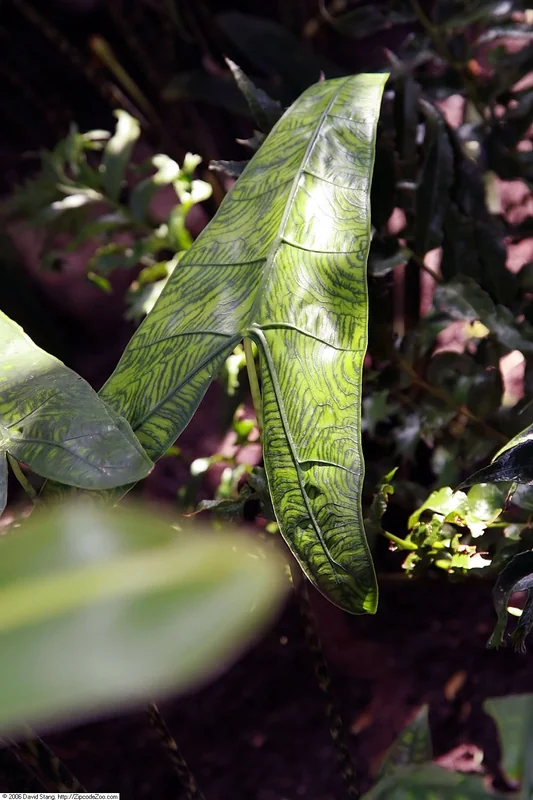 Featured photoalocasia-zebrina.jpg
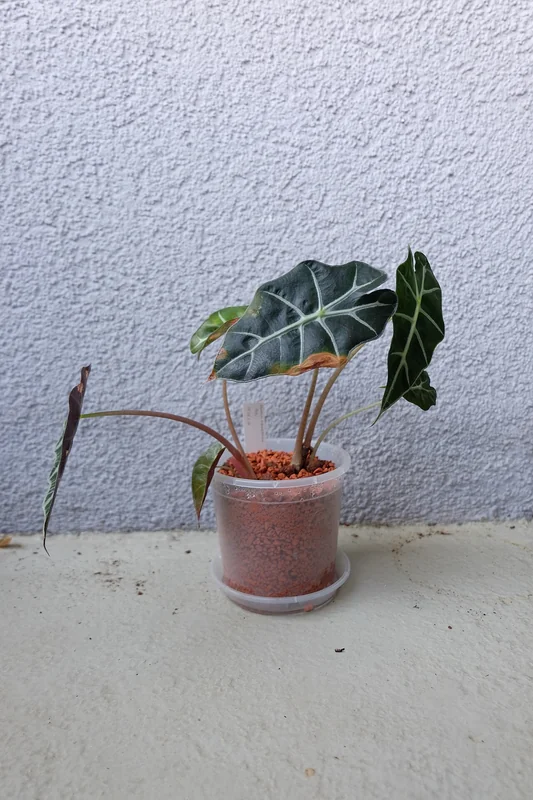
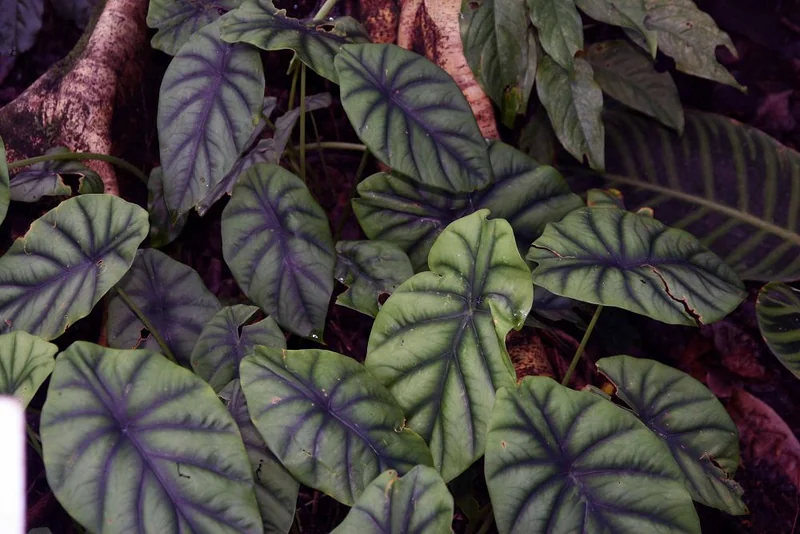
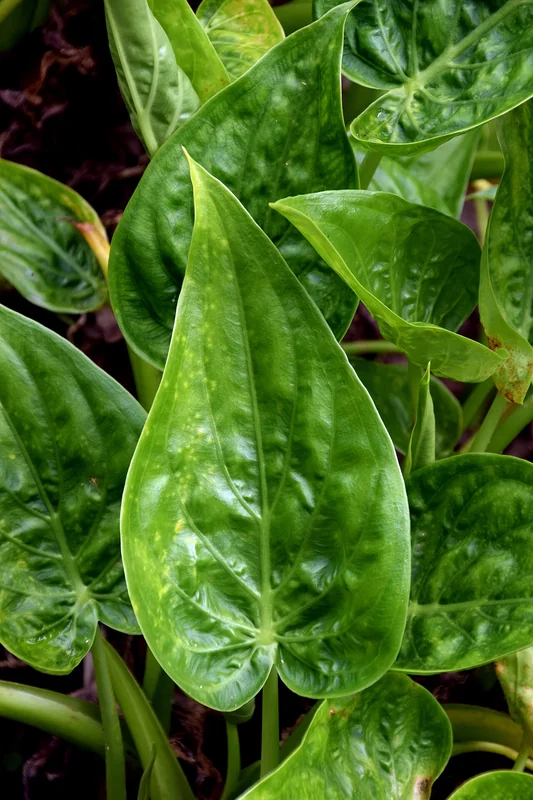
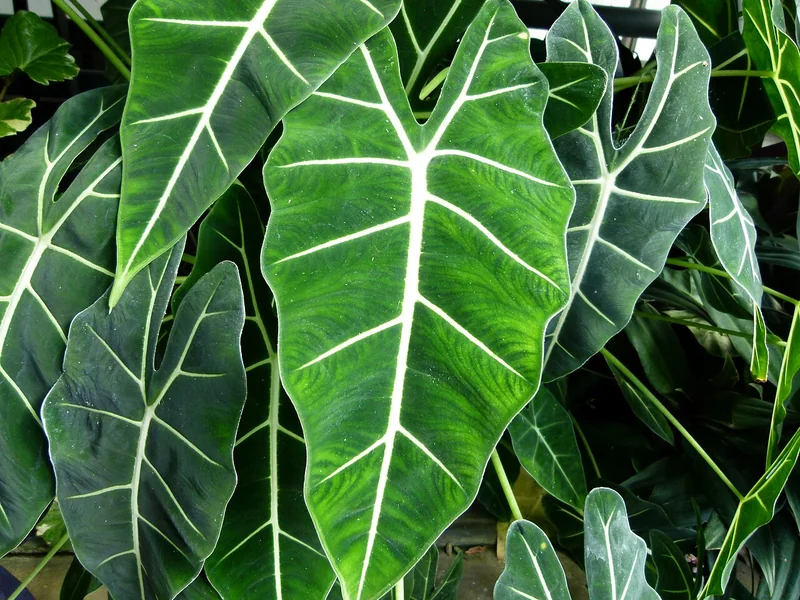
Alocasia zebrina is grown for its tall, zebra-striped petioles as much as for its arrow-shaped green leaves. It is native to forests in the Philippines and demands warmth, bright filtered light, and a sharply draining mix. Despite its sometimes-fussy reputation it does well indoors when watering is restrained and humidity is steady.
Care facts at a glance
- Light
- Bright indirect
- Water
- Water when the top third of the mix has dried; do not let the rhizome sit wet.
- Humidity
- 50–70 %
- Temperature
- 18–27 °C
- Soil
- Open, fast-draining aroid mix with extra perlite or pumice; chunky enough to keep oxygen at the rhizome.
- Origin
- Forest understory of the Philippines.
- Mature size
- 60 to 90 cm tall, leaves on petioles to 60 cm long.
Overview
Alocasia zebrina is one of the most distinctive alocasias because of the bold black-and-yellow banding on its long petioles. The arrow-shaped leaves are relatively small for the genus, which keeps the plant looking elegant rather than overwhelming.
Care Priorities
- Use a tall, narrow pot to support the long petioles.
- Sharp drainage is critical; soggy mix kills it fast.
- Bright filtered light brings the petiole stripes out clearly.
- Inspect undersides regularly for spider mites — alocasias attract them.
Common Problems
Sudden leaf drop with a healthy corm is usually a transition reaction; the plant often pushes new leaves once conditions stabilise. Soft, mushy petiole bases mean rot — unpot, trim damaged tissue, repot in dry mix. Yellow with brown veins is often spider mite damage.
Sources & further reading (2)
- encyclopedia — accessed 2026-04-28
- botanical-garden — accessed 2026-04-28
Frequently asked questions
Why does my zebrina lose all its leaves?
Alocasias often drop leaves under stress (cold, repotting, heavy watering) but regenerate from the corm if it is healthy. Keep the mix on the dry side and wait.
Can I propagate from a leaf cutting?
No. Alocasias propagate by dividing offsets from the rhizome or growing from corm bulbils.
Best pot type?
A terracotta or plastic pot with strong bottom drainage. Decorative cachepots without drainage hide standing water and rot the corm.