Begonia x corallina
Begonia x corallina (Coral Begonia) Care Guide
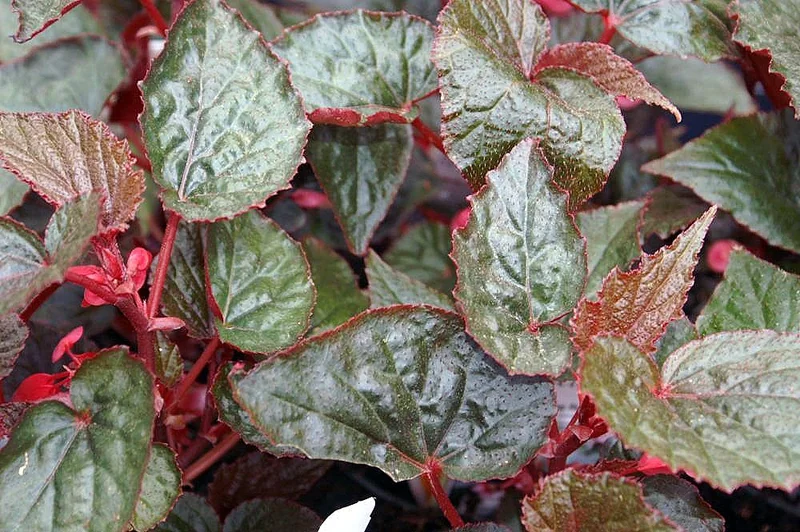 Featured photobegonia-corallina.jpg
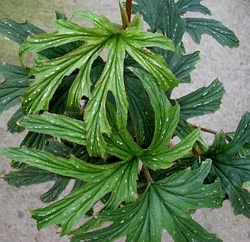
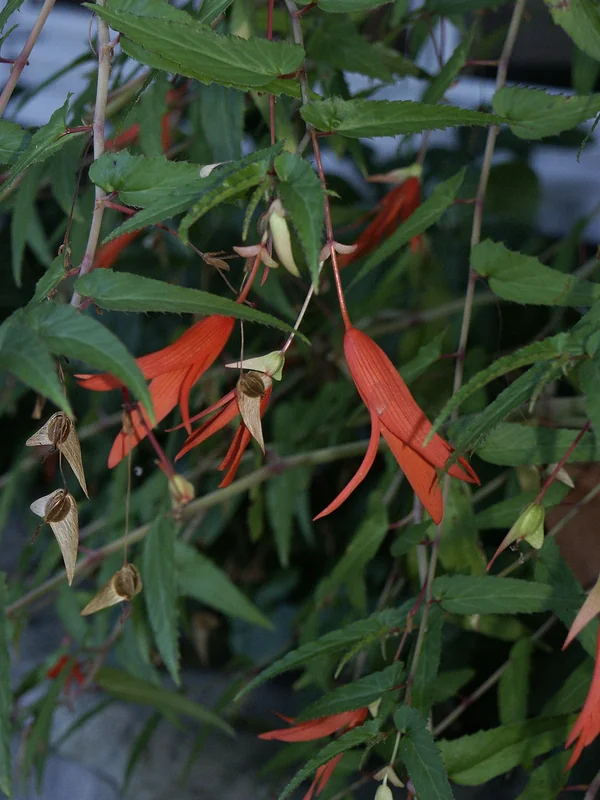
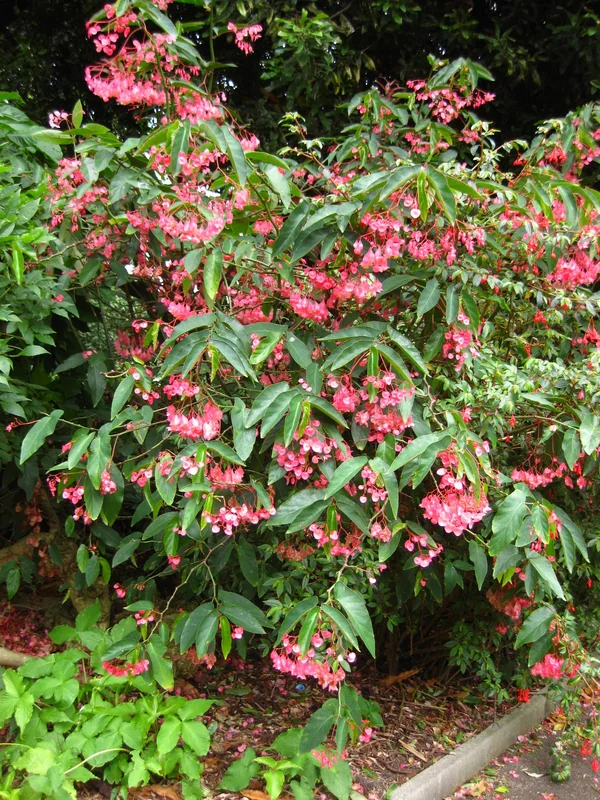
Begonia x corallina, sold as Coral Begonia, belongs to the cane-stemmed group of Begonia and is grown indoors for its patterned foliage. An older horticultural hybrid involving B. coccinea, with white-spotted green leaves and pendant clusters of coral-red flowers, often called 'Lucerna' in trade. Begonia thrive in bright filtered light, even moisture, and humidity above 50 percent, but they will not tolerate wet leaves overnight or stagnant air.
Care facts at a glance
- Light
- Bright indirect
- Water
- Water when the top 2 cm of mix has dried.
- Humidity
- 50–70 %
- Temperature
- 16–24 °C
- Soil
- Free-draining peat-based mix with extra perlite for aeration.
- Origin
- Tropical and subtropical regions of the Americas, Africa, and Asia.
- Mature size
- 20 to 60 cm tall depending on type, similar spread.
Overview
Begonia x corallina is one of more than 2,000 species in Begonia, the sixth-largest plant genus. An older horticultural hybrid involving B. coccinea, with white-spotted green leaves and pendant clusters of coral-red flowers, often called 'Lucerna' in trade. Begonia are divided horticulturally into rhizomatous, cane-stemmed, tuberous, and rex groups; this species belongs to the cane-stemmed group.
Care Priorities
- Bright filtered light, never direct midday sun.
- Water at soil level when the top 2 cm of soil dries.
- Humidity above 50 percent — group with other plants or use a pebble tray.
- Good air circulation prevents powdery mildew and botrytis.
- Pinch growing tips on cane Begonia to encourage branching.
Common Problems
White powdery patches on leaves are powdery mildew — improve air flow and remove affected leaves immediately. Grey fuzzy patches are botrytis — reduce humidity and never water late in the day. Brown crispy edges signal dry air or under-watering.
Sources & further reading (2)
- encyclopedia — accessed 2026-04-28
- botanical-garden — accessed 2026-04-28
Frequently asked questions
Is 'Lucerna' the same as Begonia x corallina?
'Lucerna' is the most popular cultivar of B. x corallina, with denser silver spotting and a more upright habit. The two names are often used interchangeably at retail.
How do I propagate a Begonia from a leaf?
Cut a healthy mature leaf with a section of petiole, slice the major veins on the underside, and lay the leaf flat on moist sphagnum or potting mix. New plantlets emerge from the cut veins within 4 to 8 weeks under high humidity.
Why are my Begonia leaves losing their pattern?
Begonia variegation fades in low light and very dry air. Bright filtered light and steady humidity bring back contrast on new growth; the existing patterned leaves stay as they are.