Anthurium clidemioides
Anthurium clidemioides (Clidemia-leaved Anthurium) Care Guide
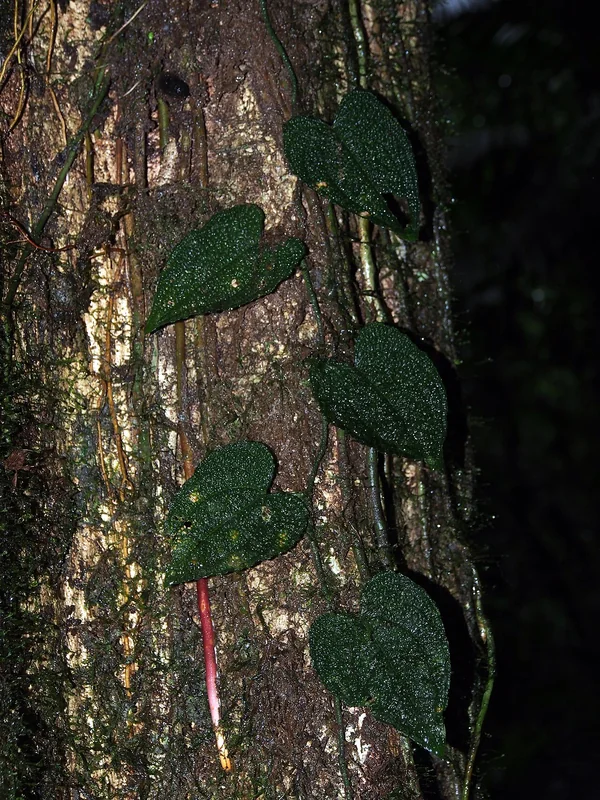 Featured photoanthurium-clidemioides.jpg
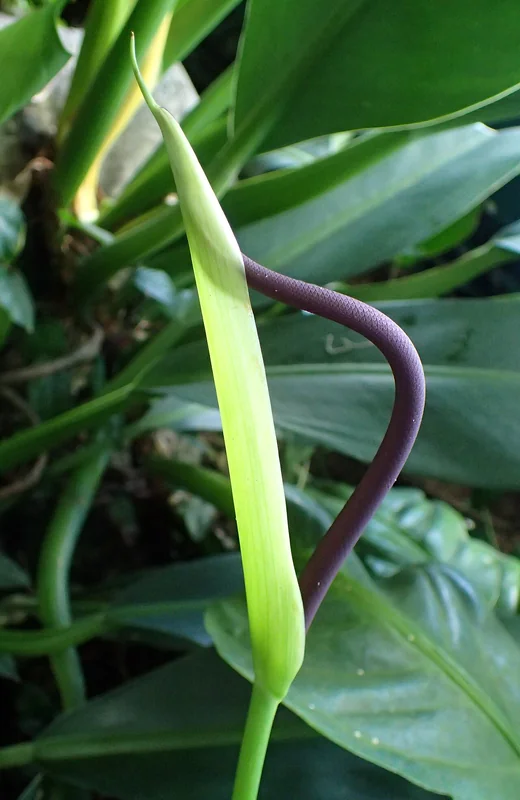
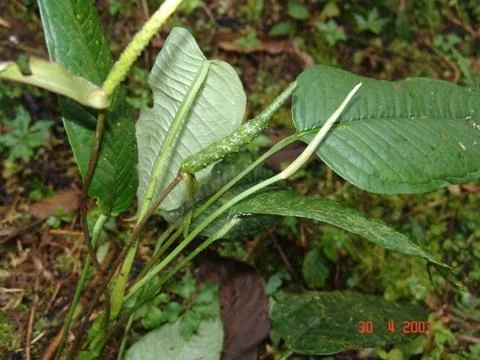
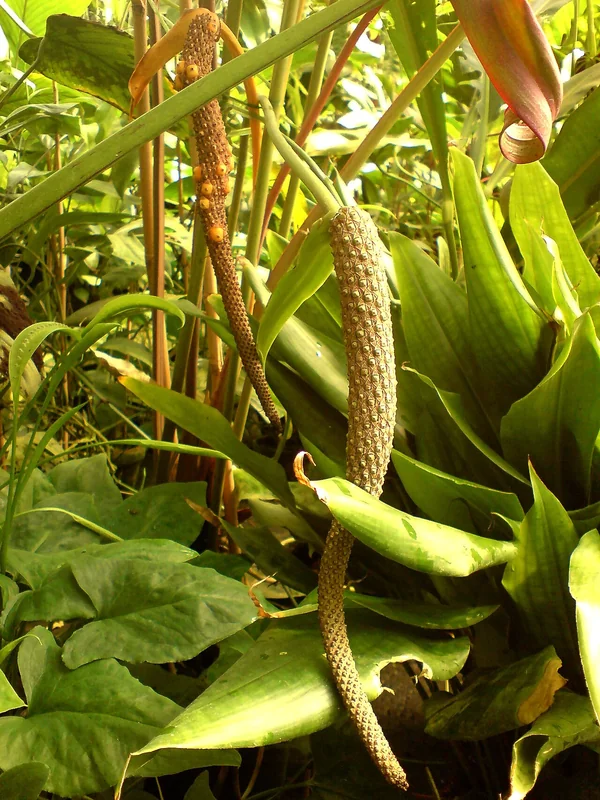
Anthurium clidemioides, sold as Clidemia-leaved Anthurium, is a member of the largest aroid genus and a Neotropical epiphyte or hemi-epiphyte. A Costa Rican and Panamanian climber with elongate lance-shaped leaves resembling Clidemia (Melastomataceae), with prominent parallel veining and a compact climbing habit. Like most Anthurium, it needs bright filtered light, chunky aroid mix that drains immediately, and humidity above 60 percent.
Care facts at a glance
- Light
- Bright indirect
- Water
- Water when the top 2 to 3 cm of mix has dried.
- Humidity
- 60–80 %
- Temperature
- 18–27 °C
- Soil
- Chunky aroid mix of orchid bark, perlite, and coco coir for excellent aeration.
- Origin
- Neotropical rainforests of Central and South America.
- Mature size
- 30 cm to 1 m tall depending on species; epiphytic species spread along supports.
Overview
Anthurium clidemioides is one of about 1,000 species in Anthurium, the largest genus in family Araceae. A Costa Rican and Panamanian climber with elongate lance-shaped leaves resembling Clidemia (Melastomataceae), with prominent parallel veining and a compact climbing habit. Most Anthurium are epiphytes or hemi-epiphytes in their native rainforest, which is why they need open chunky mixes rather than dense potting soil.
Care Priorities
- Bright filtered light, never direct midday sun.
- Use a chunky aroid mix — orchid bark, perlite or pumice, coco coir.
- Water thoroughly when the top 2 to 3 cm of mix is dry; let excess drain.
- Humidity above 60 percent — group with other tropicals or use a humidifier.
- Provide a moss pole for climbing species; rosette species are fine in pots.
Common Problems
Yellow lower leaves with mushy stems indicate overwatering or compacted mix. Brown crispy edges signal dry air or fluoride-heavy tap water. Webbing under leaves means spider mites — rinse the plant and treat with insecticidal soap.
Sources & further reading (2)
- encyclopedia — accessed 2026-04-28
- botanical-garden — accessed 2026-04-28
Frequently asked questions
Is Anthurium clidemioides easy to grow indoors?
Yes — it is forgiving compared with many velvet-leaved cordate species. A moss pole, chunky mix, and bright filtered light are enough; humidity above 50 percent is sufficient.
What soil mix should I use for Anthurium?
A chunky aroid mix is best — roughly equal parts orchid bark, perlite or pumice, and coco coir. Standard potting soil holds water around the roots, which causes the rot Anthurium are notorious for.
How long do Anthurium spathes last?
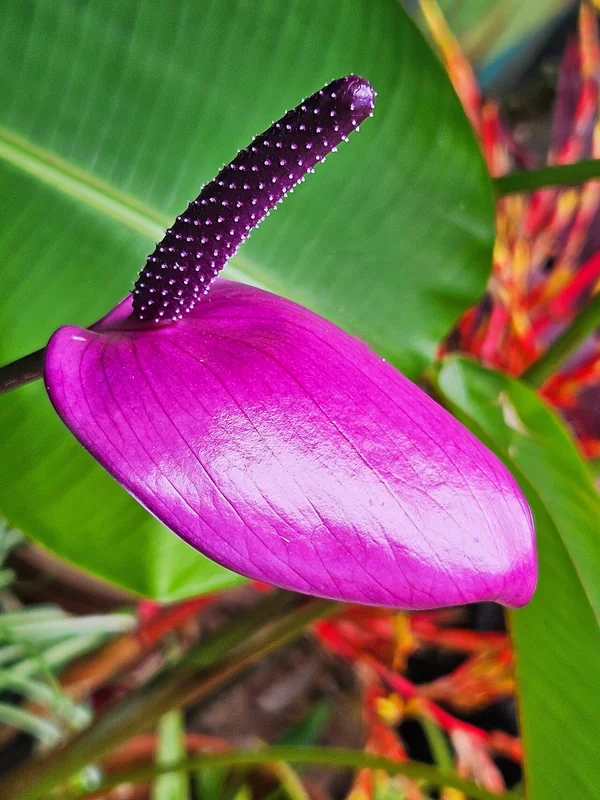
Each spathe holds its colour for six to eight weeks under steady warm conditions before fading toward green. Mature plants in good light push new flowers most months of the year.