Mesocricetus brandti
Turkish Hamster (Mesocricetus brandti)
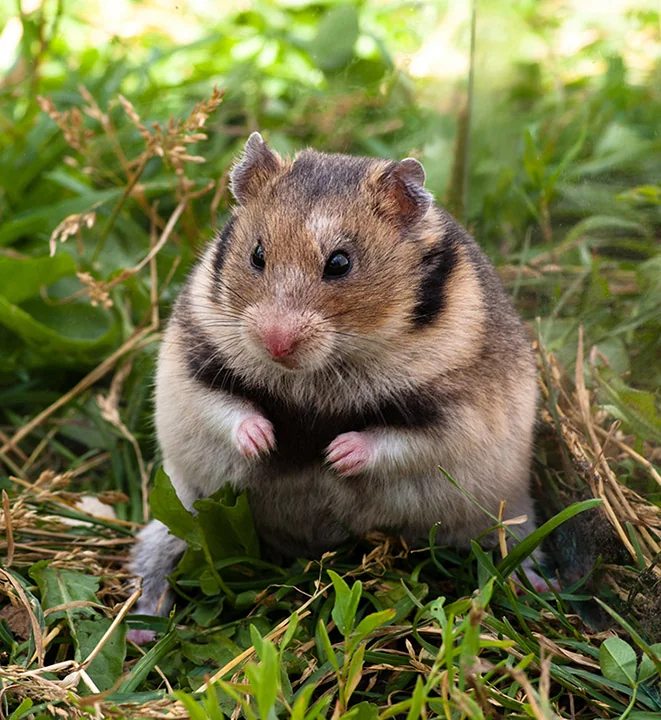 Featured phototurkish-hamster.jpg
Mesocricetus brandti, the Turkish or Brandt's hamster, is a medium-bodied Mesocricetus of the Anatolian plateau, the Transcaucasus, and parts of northern Iran and Lebanon. Adults reach 16 to 18 cm and are ecologically close to the sister species Mesocricetus auratus, from which they were not formally separated until the late twentieth century. The IUCN Red List assesses the species as Least Concern.
Quick facts
- Lifespan
- 2–3 years
Overview
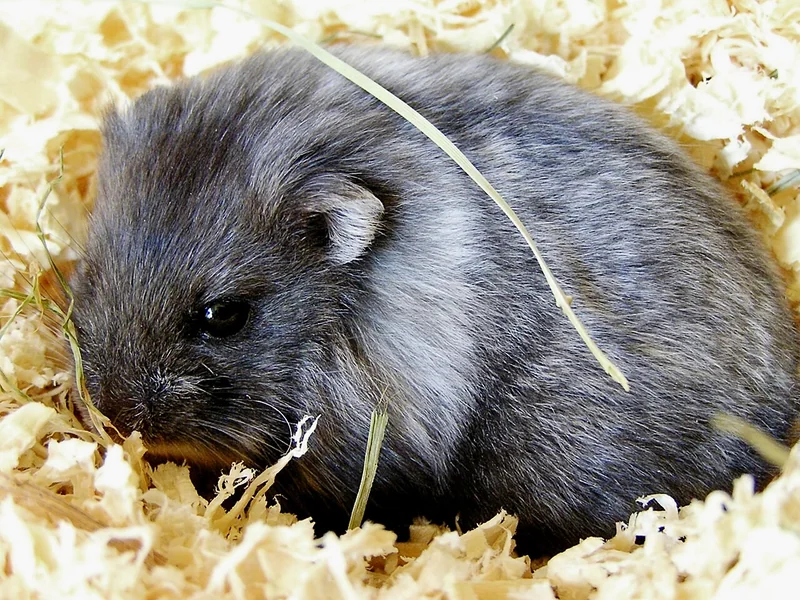
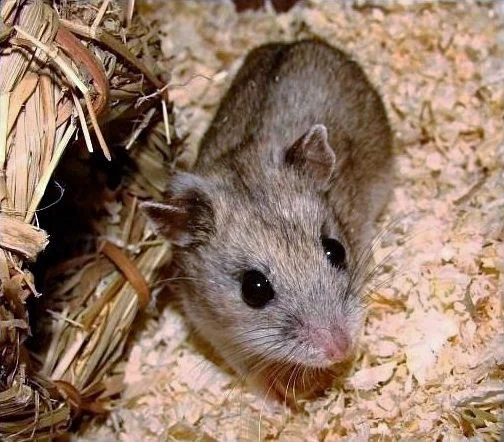
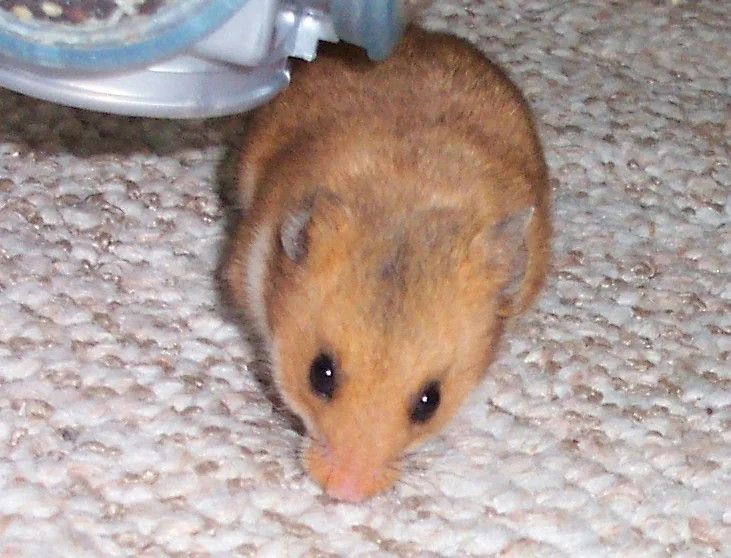
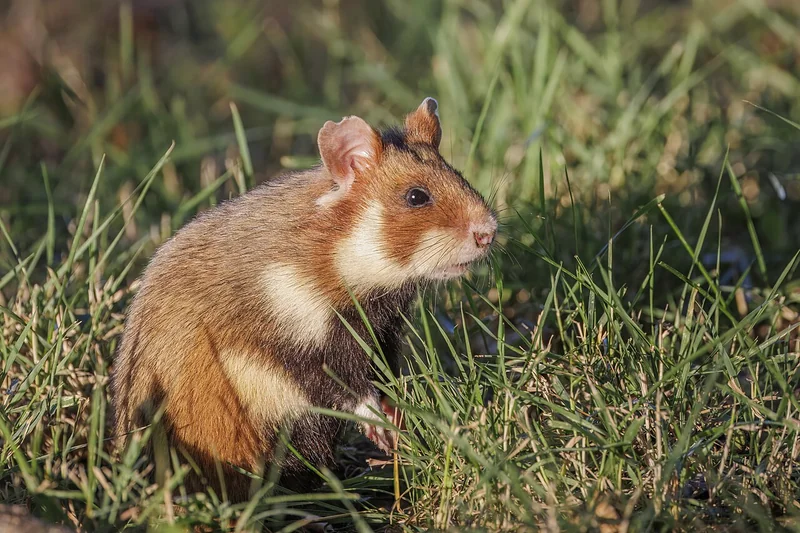
Brandt's hamster is named after the German-Russian zoologist Johann Friedrich von Brandt. Adults are golden-brown above with a black throat band and a pale belly — the throat band distinguishes the species from M. auratus, which lacks it. Cheek pouches are generously developed in the genus pattern.
Distribution
The wild range covers the Anatolian plateau in central Turkey, the South Caucasus (Armenia, Azerbaijan, parts of Georgia), northern Iran, and the Beqaa valley of Lebanon. Habitat is dry rocky steppe and montane grassland between 300 and 2200 m elevation. The IUCN Red List assesses the species as Least Concern.
Behaviour
Solitary and aggressively territorial — Mesocricetus brandti is among the most pugnacious of the genus. The species hibernates in the colder parts of its range from approximately November to March, in deep multi-chambered burrows preceded by an autumn caching phase.
Taxonomy
Mesocricetus brandti was historically lumped with M. auratus and was separated as a distinct species during karyotype review in the 1980s. The two species cannot interbreed: M. auratus carries a chromosome count of 2n=44, while M. brandti carries 2n=42.
Sources & further reading (2)
- iucn-red-list — accessed 2026-04-29
- encyclopedia — accessed 2026-04-29
Frequently asked questions
How does the Turkish hamster differ from the Syrian?
Mesocricetus brandti is slightly larger than Mesocricetus auratus, has a distinct black throat band that the Syrian lacks, and carries a different chromosome count (2n=42 vs. 2n=44). The two species cannot interbreed.
Where does the species name come from?
Brandt's hamster is named after Johann Friedrich von Brandt, a nineteenth-century German-Russian zoologist who held the chair of zoology at the St Petersburg Imperial Academy of Sciences and described many central Asian mammals.
Is the species threatened?
The IUCN Red List assesses Mesocricetus brandti as Least Concern. The wild range is large and habitat-conversion pressure is moderate compared to other Cricetinae such as the European or Romanian hamsters.