Allocricetulus curtatus
Mongolian Hamster (Allocricetulus curtatus)
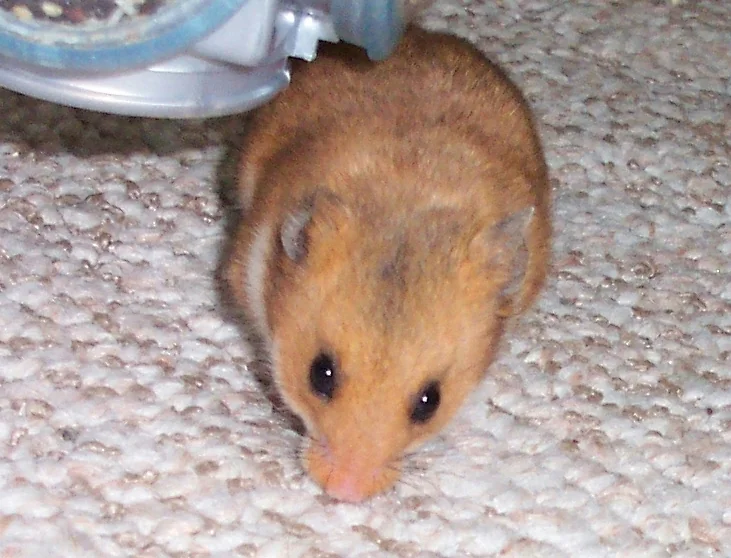 Featured photomongolian-hamster.jpg
Allocricetulus curtatus, the Mongolian hamster, is a small Allocricetulus species of the Mongolian semi-desert and the surrounding steppe of northern China and southeastern Russia. Adults reach 8 to 12 cm with a short tail (less than 25 percent of body length). The genus Allocricetulus is sister to Cricetulus and was separated on the basis of cranial and karyotypic differences in the early twentieth century. The IUCN Red List assesses the species as Least Concern.
Quick facts
- Lifespan
- 1.5–2.5 years
Overview
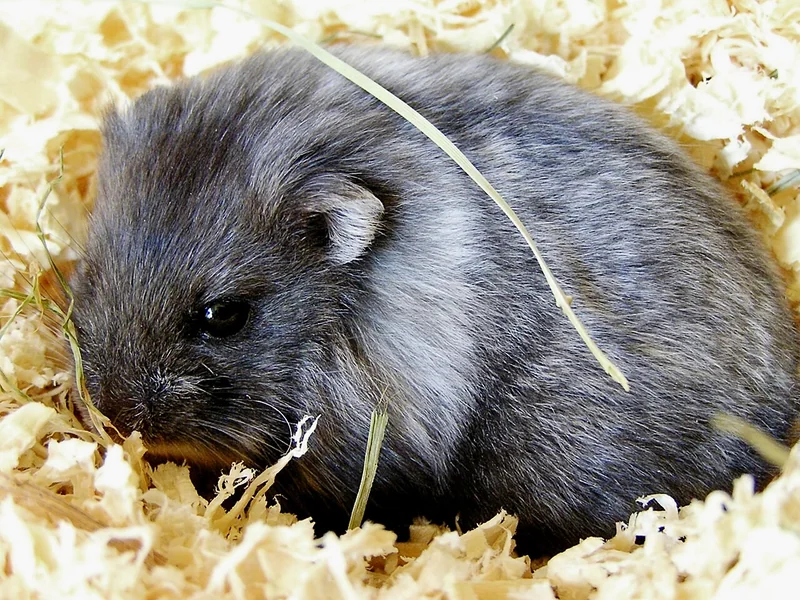
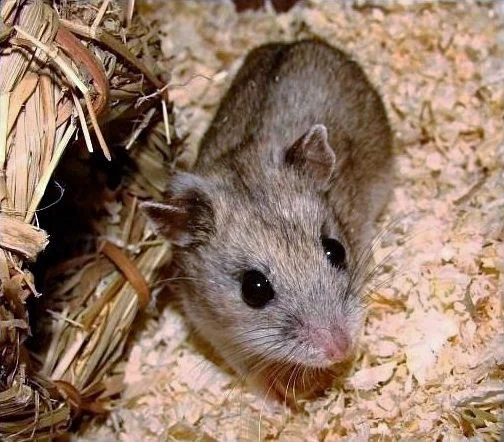
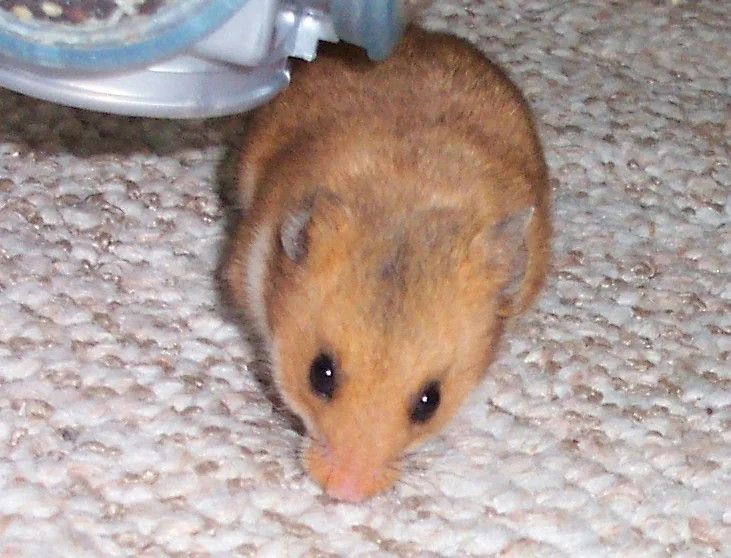
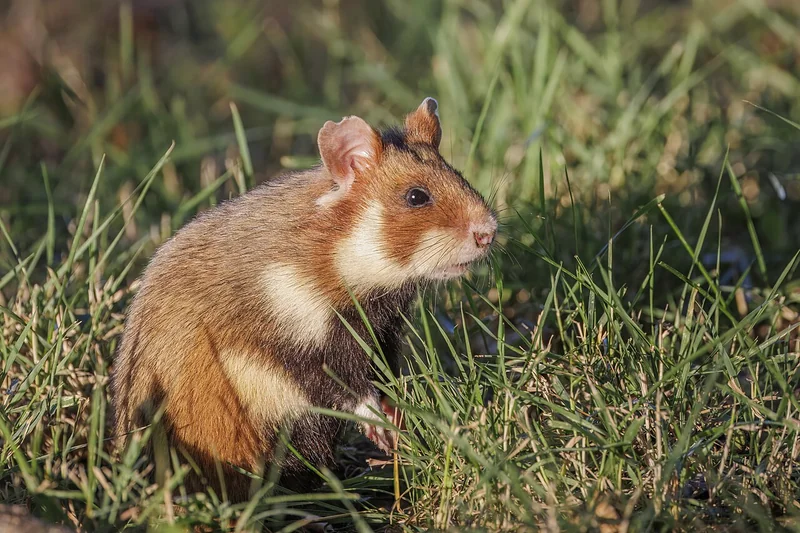
Adults carry a uniformly buff-grey coat with no dorsal stripe; the underside is grey-white. The shortened tail is the most obvious external feature distinguishing Allocricetulus from the longer-tailed Cricetulus. Cheek pouches are well developed.
Distribution
The wild range covers most of Mongolia, Inner Mongolia, the Tuva and Buryatia regions of southern Russia, and parts of Gansu and Ningxia in north-central China. Habitat is dry steppe and semi-desert between 800 and 2000 m elevation, often co-occurring with Phodopus species.
Behaviour
Crepuscular and nocturnal. The species nests in shallow burrows with multiple entrances and forages opportunistically across an estimated home range of 0.5 to 1 hectare for adult males. Caching of cereal seed and dry grass forms the bulk of stored food.
Taxonomy
Allocricetulus was raised to genus rank by Argyropulo in 1933 to accommodate this species and its sister A. eversmanni. The two species can be confidently separated by skull morphology and chromosome count; both differ from typical Cricetulus in the reduced tail and shorter rostrum.
Sources & further reading (2)
- iucn-red-list — accessed 2026-04-29
- encyclopedia — accessed 2026-04-29
Frequently asked questions
How does Allocricetulus differ from Cricetulus?
Allocricetulus species carry a noticeably shorter tail (less than 25 percent of body length vs. about 30 to 40 percent in Cricetulus) and a shorter rostrum. The genera are sister taxa and were separated in 1933 on cranial and karyotypic grounds.
Where is the species found?
Across most of Mongolia, the surrounding steppe of southern Siberia and Inner Mongolia, and the dry mountains of Gansu and Ningxia. Habitat is steppe and semi-desert between roughly 800 and 2000 m elevation.
Is the species threatened?
No — the IUCN Red List assesses Allocricetulus curtatus as Least Concern. The species is locally common across its wide central Asian range.