Allocricetulus eversmanni
Eversmann's Hamster (Allocricetulus eversmanni)
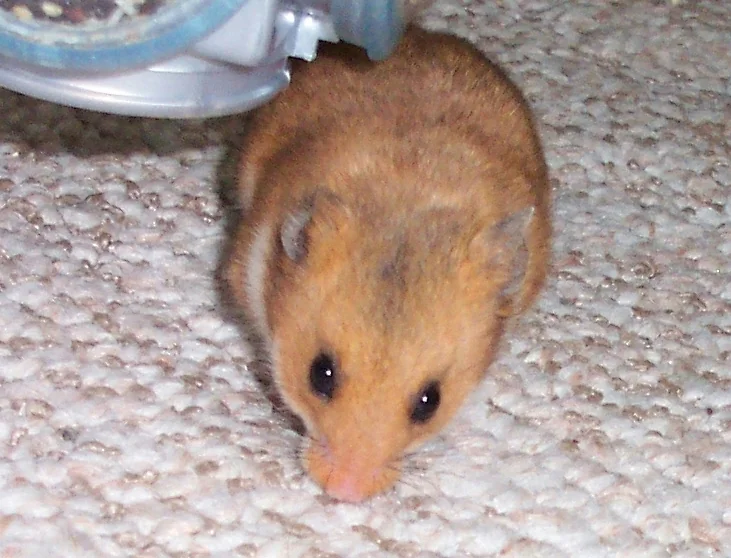 Featured photoeversmanns-hamster.jpg
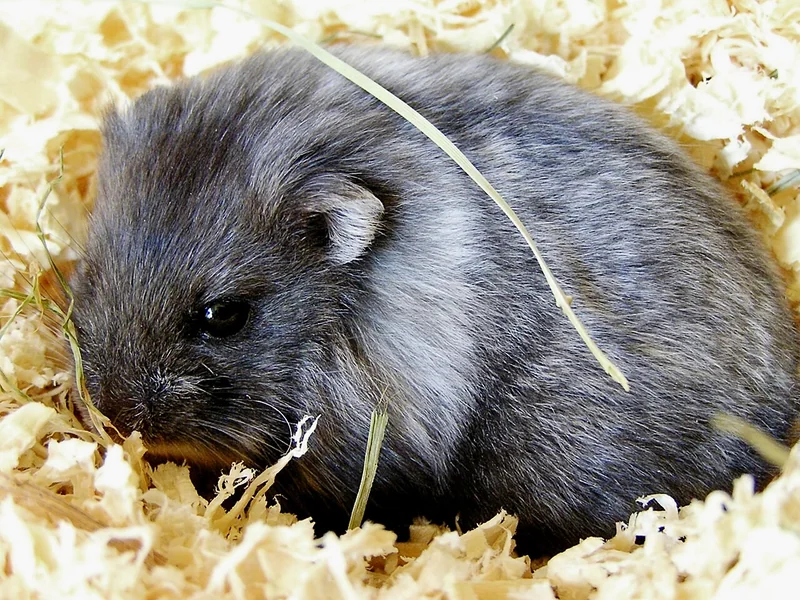
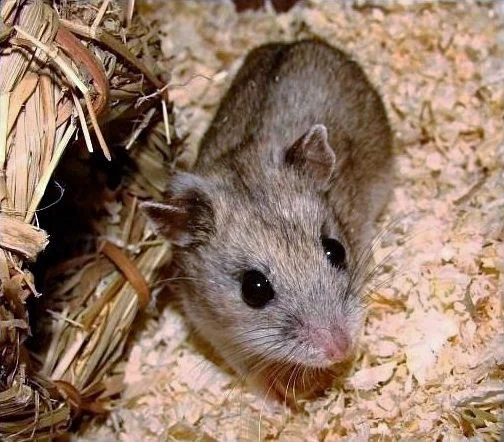
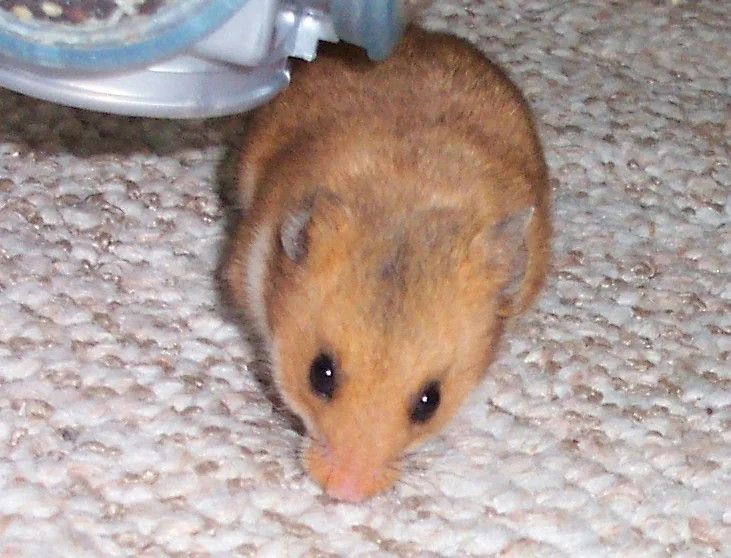
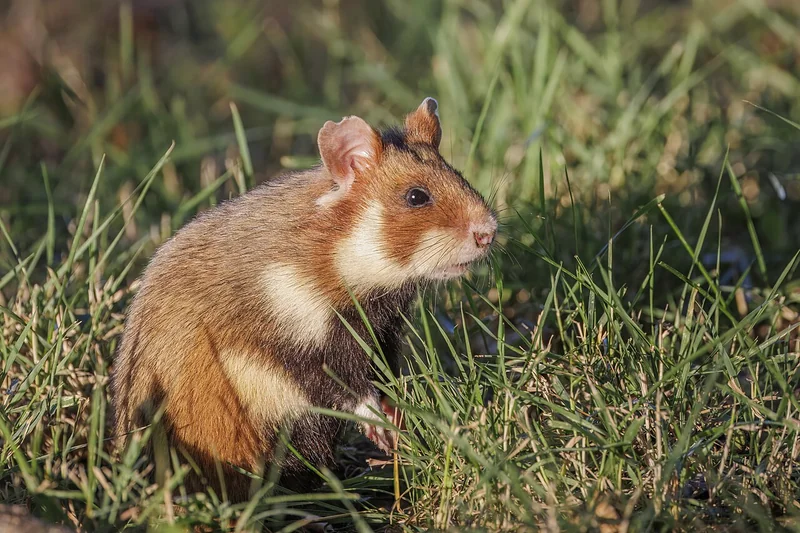
Allocricetulus eversmanni, Eversmann's hamster, is a small Allocricetulus species of the Kazakh steppe, the lower Volga basin, and parts of southwestern Siberia. Adults reach 12 to 16 cm and are slightly larger than the closely related A. curtatus, from which the species is separated by a non-overlapping range and by skull morphology. The species is named after the German-Russian naturalist Eduard Friedrich Eversmann. The IUCN Red List assesses the species as Least Concern.
Quick facts
- Lifespan
- 1.5–2.5 years
Overview
The dorsal coat is buff-grey with no dorsal stripe; the underside is white. The tail is short, in the genus pattern. Body size separates Eversmann's from the Mongolian hamster: A. eversmanni is consistently larger in skull and body length.
Distribution
The wild range covers the Kazakh steppe, the southern Urals, the lower Volga basin, and parts of southwestern Siberia. Habitat is dry steppe and semi-desert between sea level and 1500 m elevation, often on chernozem or lighter loess soils.
Behaviour
Crepuscular. The species digs deep multi-chambered burrows and hibernates for several months in the colder parts of the range. Autumn caching produces seed stockpiles of one to three kg per burrow, smaller than those of Mesocricetus species but substantial relative to body size.
Taxonomy
Eduard Friedrich Eversmann named the type specimen in an 1840 description; the taxon was subsequently renamed eversmanni in his honour. The species is sister to A. curtatus, from which it is separated by larger body size and a non-overlapping western and southern range.
Sources & further reading (2)
- iucn-red-list — accessed 2026-04-29
- encyclopedia — accessed 2026-04-29
Frequently asked questions
Where does the name come from?
The species is named after Eduard Friedrich Eversmann, a German-Russian naturalist who held the chair of zoology at Kazan University in the early nineteenth century and led several expeditions through the Kazakh steppe.
How is Eversmann's hamster distinguished from the Mongolian?
Allocricetulus eversmanni is consistently larger in skull and body length than A. curtatus, and the two species occupy non-overlapping ranges — A. eversmanni in the Kazakh steppe and lower Volga basin, A. curtatus in Mongolia and adjacent regions.
Does the species hibernate?
Yes — Eversmann's hamster hibernates for several months in the colder parts of the range, typically from November through March, in deep multi-chambered burrows. Autumn caching of seed precedes the hibernation period.