July Birthstone
Ruby — most precious red gem; chromium-coloured corundum; passion and protection in high summer.
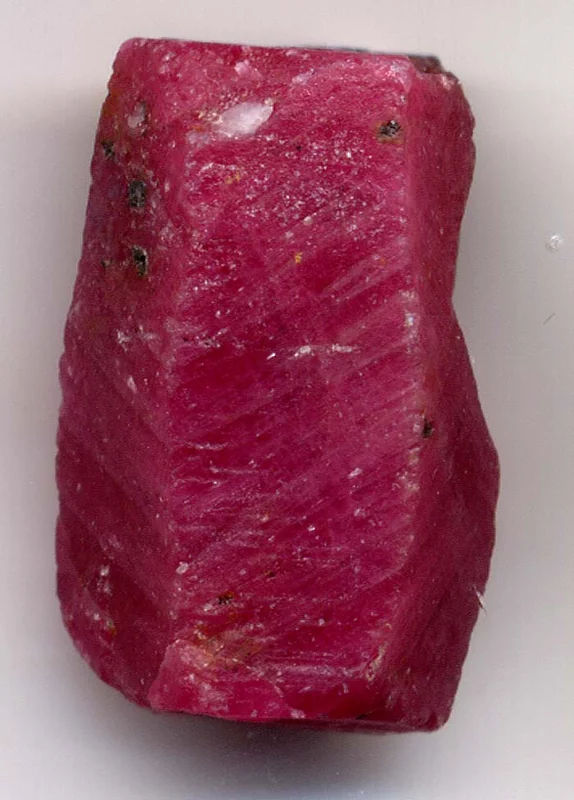
July's birthstone is ruby, the red variety of corundum (Al₂O₃) coloured by chromium (Cr³⁺). Ruby is ranked among the three most precious gemstones alongside emerald and sapphire, and exceptional quality rubies per carat can exceed diamond prices by multiples. The name derives from the Latin 'rubrum' (red). Ruby and sapphire are both corundum — the distinction is simply colour: red corundum is ruby, all other colours are sapphire. The boundary between ruby and pink sapphire is disputed internationally; US trade convention uses a broader red definition than the stricter Myanmar/traditional standard. Major sources include Myanmar (Mogok), Mozambique (Montepuez), Thailand, and Sri Lanka. Ruby rates 9 Mohs — the second hardest natural mineral.
Quick facts
- Item type
- Birthstone month
- Color range
- vivid red, slightly purplish red, slightly orangish red, pinkish red
- Birthstone month
- July (traditional)
Ruby as July's Stone
Ruby's association with July appears in multiple historical birthstone traditions, predating the 1912 standardisation. In Sanskrit texts (Ratnapariksha, c. 6th century CE), ruby is called 'ratnaraj' (king of gems) and associated with the sun, fire, and life force — a fitting association for midsummer's peak heat. Medieval European traditions also associated ruby with the sun and with protection from evil. The 1912 ANJA birthstone list formalised ruby for July. July occupies the height of summer in the Northern Hemisphere — maximum heat, maximum light — and ruby's vivid red chromium fluorescence (which causes a natural red glow under ultraviolet light) aligns with a gem that contains fire within its structure. Fine Mogok rubies with strong chromium fluorescence appear to glow from within, as if lit internally — an optical quality that transcends other red gems.
Pigeon's Blood and Origin Premiums
The most valued ruby colour is called 'pigeon's blood' — a trade term for vivid, pure red with a slight blue-red fluorescence and minimal orange or brownish secondary tone. The term originated in the Mogok gem trade of Myanmar (Burma), which produced rubies with this distinctive colour for centuries. Mogok rubies derive their colour from chromium in a marble (calcite-dolomite metamorphic) host rock that contains almost no iron — iron quenches the chromium fluorescence that produces the distinctive glow. Thai and Cambodian rubies form in basalt, which introduces iron, darkening the colour and suppressing fluorescence. GIA introduced a 'pigeon's blood' colour designation in 2015 for exceptional Mozambican rubies meeting colour criteria regardless of origin — previously the term implied Mogok origin. Origin premiums remain significant: Mogok rubies with pigeon's blood colour trade at 3–10× the price of equivalent Mozambican stones in international auction markets.
Zodiac Connection: Cancer
July birthstones align with Cancer (the crab), governing approximately June 21 to July 22. Cancer is a water sign associated with emotion, nurturing, protection, and the deeply personal — governed by the Moon and symbolised by the hard-shelled crab that carries its home and retreats into protective enclosure. Ruby's traditional associations with protection, vitality, and the strengthening of the heart align with Cancer's nurturing, protective character. In Vedic astrology, ruby (manikya) is the gem of the Sun — and Cancer's relationship with the Moon creates a complementary pairing between solar ruby and lunar Cancer, two forces in relationship rather than alignment. Ruby's red, the colour of blood and the heart, resonates with Cancer's emotional depth and the care it extends to family and home.
Sources & further reading (2)
- gemological-institute — accessed 2026-05-08
- encyclopedia — accessed 2026-05-08
Frequently asked questions
How is ruby different from pink sapphire?
Ruby and pink sapphire are both red-to-pink corundum, distinguished only by colour saturation and hue. The traditional (and GIA's current standard) definition uses 'ruby' for red corundum with a dominant red hue and sufficient saturation to be called 'red' rather than 'pink.' This boundary is debated: Myanmar and traditional gem trade standards require a specific minimum colour saturation that excludes lighter stones (calling them pink sapphire); US trade convention uses a broader definition that includes many stones that Myanmar dealers would classify as pink sapphire. GIA's laboratory applies a specific saturation threshold — stones that fall below it on their chromatic scale are described as 'pink sapphire' even if they are not truly pink. In practice, the ruby designation adds significant value (rubies of identical weight and quality may retail for 5–20× the price of pink sapphires), creating commercial incentive for disputes about the ruby/pink sapphire boundary.
What percentage of rubies are treated?
Approximately 95–99% of commercial rubies undergo heat treatment to improve colour and clarity. Standard heat treatment involves heating the rough or pre-polished stone to approximately 1800°C in reducing conditions, which dissolves rutile silk (fine needle inclusions), improving clarity, and also modifies colour — oxidising iron that suppresses chromium, improving red hue. This treatment is permanent, widely accepted, and must be disclosed. 'Fracture filling' with lead glass (a more significant treatment that fills surface-reaching fractures with lead oxide glass) is also common for lower-quality material and produces stones that appear dramatically cleaner than untreated; glass-filled rubies require careful handling (acid, high heat) and trade at significant discounts. Untreated ruby of significant quality — verified by GIA or Gübelin laboratory — commands premiums of 30–100%+ over treated equivalents.
Which country produces the finest rubies today?
Mogok, Myanmar remains the benchmark for finest ruby colour, but Mozambique (Montepuez region, Niassa province) has been the world's largest producer by volume since approximately 2009 and produces rubies of exceptional quality. Mozambican rubies from the Montepuez deposit have shown outstanding pigeon's blood colour, rivalling Mogok in the finest specimens, and major auction houses (Sotheby's, Christie's) have sold Mozambican rubies at record per-carat prices. Myanmar/Burma still commands the highest name-recognition premium in traditional gem markets (particularly Japan, Thailand, and Europe), but gemological laboratories now issue GIA 'pigeon's blood' designations for Mozambican stones meeting colour criteria. Sri Lanka and Thailand produce rubies commercially, but Sri Lankan stones tend toward pink-red and Thai stones often have iron that suppresses fluorescence, producing less vivid colour.