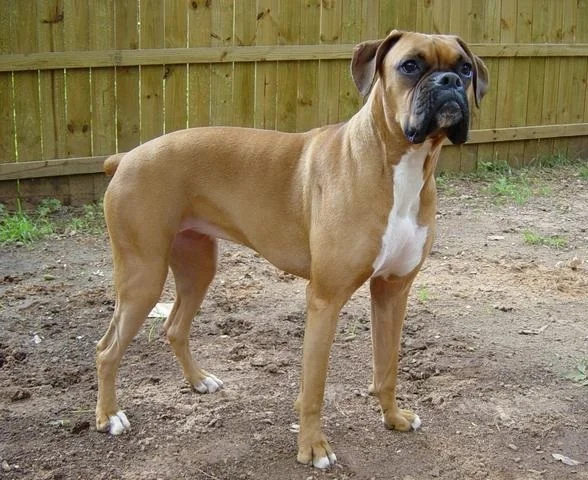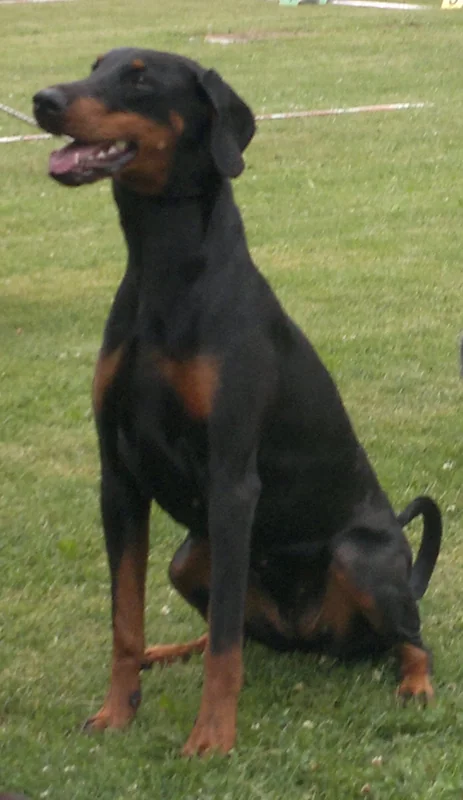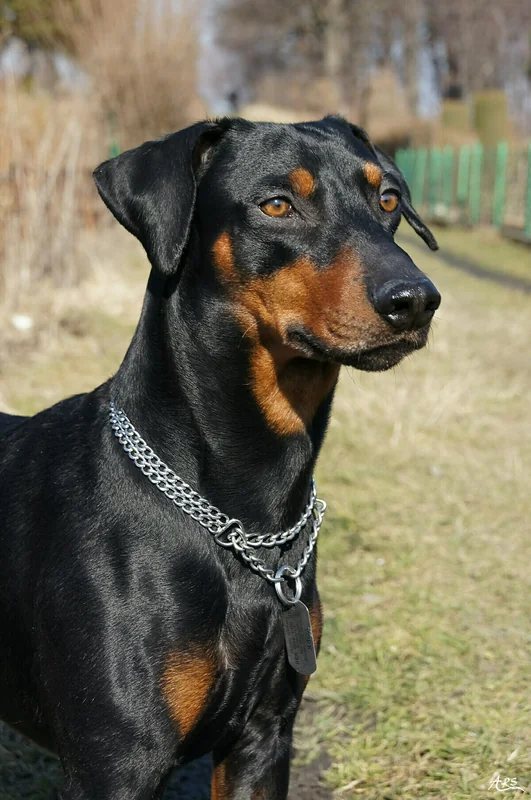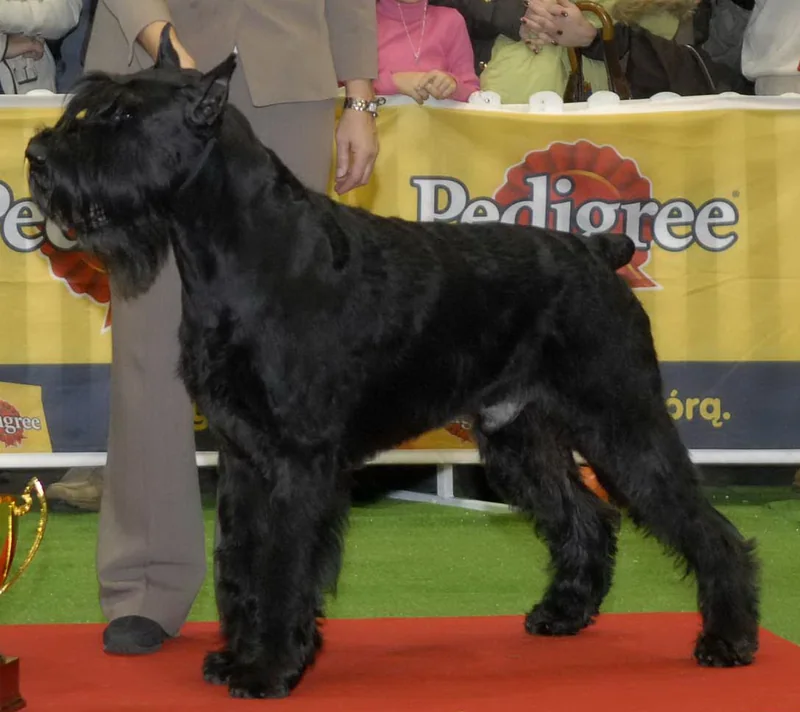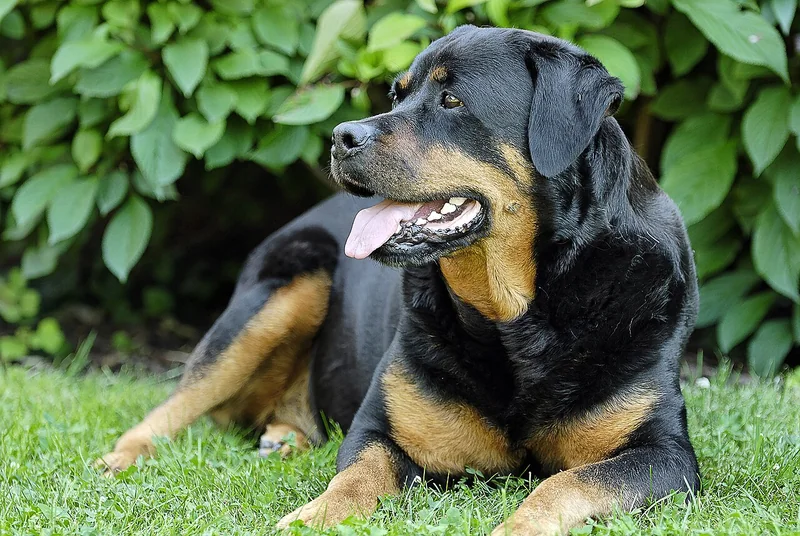
The Rottweiler is a Roman-descended German butcher's drover-dog from the southern town of Rottweil. The Rottweiler descends from the Roman drover-mastiffs that accompanied the legions across the Alps.
Quick facts
- AKC group
- Working
- Origin country
- Germany
- Origin period
- Roman antiquity (modern type formalized 1901)
- Coat type
- Short
- Coat colors
- Black with Tan/Rust markings, Black with Mahogany markings
- Average lifespan
- 9-10 years
- Recognition
- AKC 1931 · FCI 1955 · UKC 1950 · Group 2 — Pinscher and Schnauzer-Molossoid breeds-Swiss Mountain and Cattle Dogs (Section 2.1: Molossoid breeds, Mastiff type)
Origin
The breed descends from the Roman drover-mastiffs (canes pugnaces) that accompanied the legions across the Alps in the 1st century AD, herding cattle as a mobile food supply. After Roman withdrawal, descendants of these dogs persisted as drover-dogs in the southern German town of Rotwil (modern Rottweil), which became a major cattle-trading hub in the medieval period. Local butchers (German Metzger) used the dogs to drive cattle and pull butcher's carts, giving rise to the breed's older name Rottweiler Metzgerhund (Rottweil butcher's dog). The Deutscher Rottweiler-Klub was founded in 1901 and the modern standard published the same year.
Recognition
The American Kennel Club admitted the breed in 1931, the United Kennel Club followed in 1950, and the Federation Cynologique Internationale published the international standard (FCI No. 147) in 1955. The FCI assigns the breed to Group 2 — Pinscher and Schnauzer-Molossoid breeds-Swiss Mountain and Cattle Dogs (Section 2.1: Molossoid breeds, Mastiff type).
Standard
The AKC and FCI standards describe a medium-large, robust, powerful dog, neither heavy nor light and neither leggy nor weedy, of compact and substantial build. The short, hard, dense outer coat lies flat and is paired with a softer undercoat (the FCI standard notes the undercoat may be absent in hot climates). The only recognized colour is black with clearly defined tan or rust markings above each eye, on the cheeks, muzzle, throat, chest, legs, and under the tail. Males stand 61-69 cm at the withers, females 56-63 cm.
Sources & further reading (3)
- kennel-club-registry — accessed 2026-05-04
- encyclopedia — accessed 2026-05-04
- fci-standard — accessed 2026-05-04
Frequently asked questions
What is the Rottweiler's AKC group?
The American Kennel Club places the Rottweiler in the Working Group. The Working Group gathers breeds developed for jobs other than herding or hunting — guarding, draft, sled work, and water rescue — including the Boxer, Rottweiler, Saint Bernard, and Newfoundland. The breed's foundation working role was as a Roman-descended German butcher's drover-dog from the southern town of Rottweil.
When was the Rottweiler officially recognized?
The American Kennel Club admitted the breed in 1931; the United Kennel Club followed in 1950; the Federation Cynologique Internationale published the international standard (FCI No. 147) in 1955.
What is the average lifespan of a Rottweiler?
Kennel-club longevity surveys place the Rottweiler's average lifespan in the 9-10 years range. The figure here represents the spread reported by the major parent-club studies and the Kennel Club (UK) purebred-dog health surveys.