Canis lupus familiaris
Icelandic Sheepdog
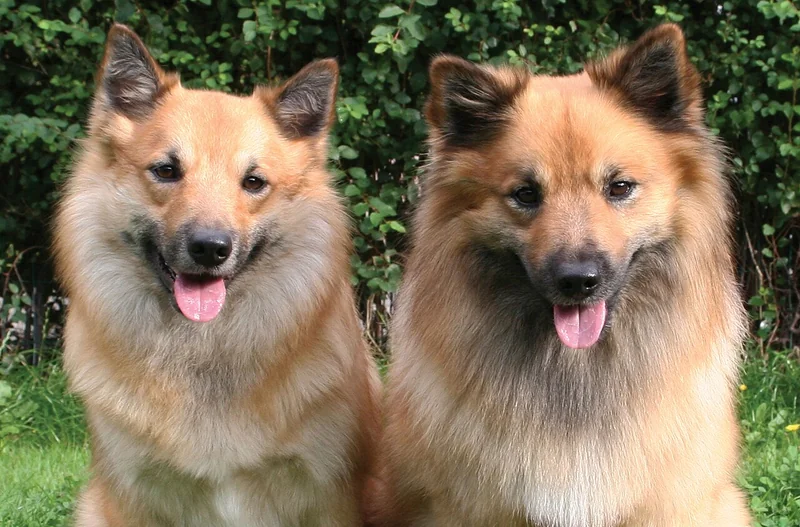 Featured photoicelandic-sheepdog.jpg
The Icelandic Sheepdog is the only dog breed native to Iceland and one of the oldest breeds in Scandinavia, descended from the spitz-type herding dogs brought to Iceland by Norse settlers between 874 and 930 CE. For over a millennium, it has been used to herd sheep, cattle, and horses across Iceland's volcanic landscape, driving flocks down from mountain pastures and locating animals lost in snowstorms. Nearly eliminated by a canine distemper epidemic in the 19th century and by government culling, the breed was saved by British enthusiasts in the 1950s. The AKC admitted it in 2010.
Quick facts
- AKC group
- Herding
- Origin country
- Iceland
- Origin period
- Late 9th century CE
- Coat type
- Double
- Coat colors
- Tan, Golden, Sable, Chocolate, Grey, Black
- Average lifespan
- 12-14 years
- Recognition
- AKC 2010 · FCI 1954 · UKC 1996 · Group 5 — Spitz and Primitive Types (Section 3: Nordic Watchdogs and Herders)
Origin
The Icelandic Sheepdog's ancestors arrived in Iceland during the Norse landnám (settlement) period of 874–930 CE, brought by Viking settlers primarily from Norway and the British Isles. Genetic studies confirm close relationship with the Norwegian Buhund, Jamthund, and other Scandinavian spitz breeds. Over 1,100 years of geographic isolation in Iceland's challenging volcanic landscape — extreme cold, rough terrain, limited visibility in winter — shaped a dog of exceptional endurance, keen barking ability to locate lost sheep, and versatility in working with multiple livestock species.
Recognition
The FCI (FCI No. 289) recognised the Icelandic Sheepdog in 1954, with Iceland as patron country. After the near-extinction in the early 20th century, British journalist Mark Watson located a surviving population in Iceland in 1955 and co-founded the Icelandic Dog Breeder Association to support recovery. The Icelandic Kennel Club was established in 1969 to manage the national stud book. The AKC admitted the breed to the Miscellaneous Class in 2008 and granted full Herding Group recognition in 2010.
Standard
The FCI and AKC standards describe a medium-small, rectangular-bodied, well-muscled spitz with a curled or sickle tail and large, prick ears. Two coat types are recognised: short-coated and long-coated, both with a thick double coat and a dense undercoat. Accepted base colours include tan, golden, sable, chocolate, grey, and black, each with required white markings on the face, collar, chest, belly, and legs; white may also be the base colour with coloured patches. Males stand 46–52 cm; females 42–46 cm.
Sources & further reading (3)
- kennel-club-registry — accessed 2026-05-07
- encyclopedia — accessed 2026-05-07
- fci-standard — accessed 2026-05-07
Frequently asked questions
What AKC group does the Icelandic Sheepdog belong to?
The AKC places the Icelandic Sheepdog in the Herding Group. The breed has been Iceland's sole herding dog for over 1,100 years, working with sheep, cattle, and horses across Iceland's volcanic highland pastures. The FCI places it in Group 5 (Spitz and Primitive types), Section 3 (Nordic Watchdogs and Herders), reflecting its spitz ancestry and Scandinavian herding tradition.
How old is the Icelandic Sheepdog?
The Icelandic Sheepdog's ancestors arrived in Iceland between 874 and 930 CE with the Norse settlers who colonised the island during the Viking Age. This makes the breed over 1,100 years old in Iceland. Genetic studies confirm it shares ancestry with Scandinavian spitz breeds, particularly the Norwegian Buhund. Shakespeare references a 'Iceland dog' in Henry V (1599), suggesting the breed was known in Britain centuries before formal kennel-club registration.
When was the Icelandic Sheepdog recognised by the AKC?
The AKC granted full recognition to the Icelandic Sheepdog in 2010, placing it in the Herding Group. The breed had been in the AKC Miscellaneous Class since 2008. The FCI had recognised it since 1954 (FCI No. 289). The modern breed's recovery from near-extinction began in 1955 when British journalist Mark Watson located surviving specimens and co-founded a breed-recovery association.