Vodka
A neutral spirit from grain or potatoes distilled to high proof — documented from 14th-century Eastern Europe.
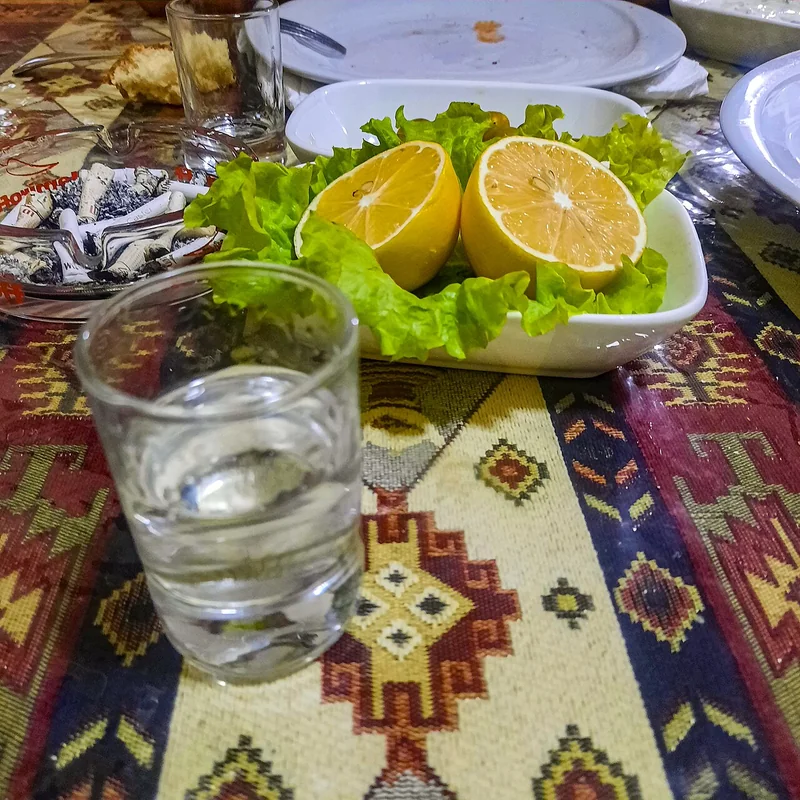
Vodka is a distilled spirit produced primarily from fermented grain (wheat, rye, corn) or potatoes, distilled to a high proof (minimum 96% ABV before dilution to bottling strength) to produce a near-neutral flavour profile. The EU Spirits Regulation 2019/787 defines vodka as a spirit produced from ethyl alcohol of agricultural origin, distilled and/or rectified, with a minimum bottling strength of 37.5% ABV. Production is documented in Russia and Poland from at least the 14th–15th centuries. The flavour differences between premium vodkas — despite high distillation proof removing most congeners — are documented as subtle distinctions in mouthfeel, finish, and trace aromatic compounds, analysed in multiple blind tasting studies with mixed conclusions.
Quick facts
- Type
- Spirit Base
- Base spirits
- vodka
- Era
- 14th–15th century–present
- Origin
- Russia / Poland
- Glass
- martini
- IBA listed
- No
Historical Documentation: Russia vs. Poland Priority Dispute
The documented history of vodka production is contested between Russia and Poland, both of which claim to be the origin nation. Polish records document a distilled spirit called 'gorzałka' (burnt wine) from at least the 8th–9th centuries, though these likely refer to crude fruit distillates. More reliably documented references to grain spirit production appear in Polish legal records from 1405. Russian chronicles from Novgorod around 1386–1396 document the arrival of a Genoese delegation bearing a grape distillate (aqua vitae). The first documented production of grain-based vodka in Russia appears in 15th-century monastery records from the Moscow principality. Both Poland and Russia were awarded EU geographical indications for 'vodka' production, recognising both as traditional production nations. The word 'vodka' is a diminutive of the Slavic 'voda' (water), meaning 'little water' or 'water of life.'
High-Proof Distillation and Neutral Spirit
Vodka's characteristic neutral flavour profile results from distillation to high proof (typically 95–96.5% ABV), which removes the majority of congeners (flavour and aroma compounds) present in lower-proof distillates. The rectification process uses column stills with multiple plates to repeatedly vapourise and condense, concentrating ethanol while removing heavier congeners. The resulting spirit is diluted with water to bottling strength (typically 40% ABV). Despite the near-neutral profile, trace congeners remain, and studies have documented sensory differences between vodkas made from different base materials (wheat vodka, rye vodka, potato vodka). Potato vodkas typically retain more viscosity and a slight earthiness; wheat vodkas are associated with cleaner, lighter character. However, peer-reviewed blind tasting studies have found that the ability to distinguish premium from value vodka varies widely among tasters.
Sources & further reading (1)
- encyclopedia — accessed 2026-05-08
Frequently asked questions
Is there a measurable flavour difference between premium and value vodkas?
Scientific and sensory studies have reached mixed conclusions. A 2007 New York Times experiment and 2011 Consumer Reports study both found that many tasters could not reliably distinguish premium from value vodkas in blind tastings. A 2015 study in the journal *Beverages* documented measurable differences in congener profiles between brands. The current scientific consensus is that high-quality distillation and filtration produce near-neutral spirits with slight but measurable differences; whether those differences are perceptible to most drinkers is context-dependent.
What is the difference between Russian, Polish, and Nordic vodka styles?
Russian vodka tradition uses rye or wheat as the primary grain, producing a slightly spicier, grain-forward character. Polish tradition also uses rye heavily but also potato and wheat; Polish vodka regulations require triple-distillation in some categories. Scandinavian (Nordic) vodkas often use wheat or potato and may be filtered differently, producing a very clean, slightly sweet character. These stylistic differences reflect regional grain availability and regulatory traditions more than fundamental production method differences.