Tequila
A Mexican spirit distilled from blue agave (Agave tequilana Weber) — Denominación de Origen since 1974.
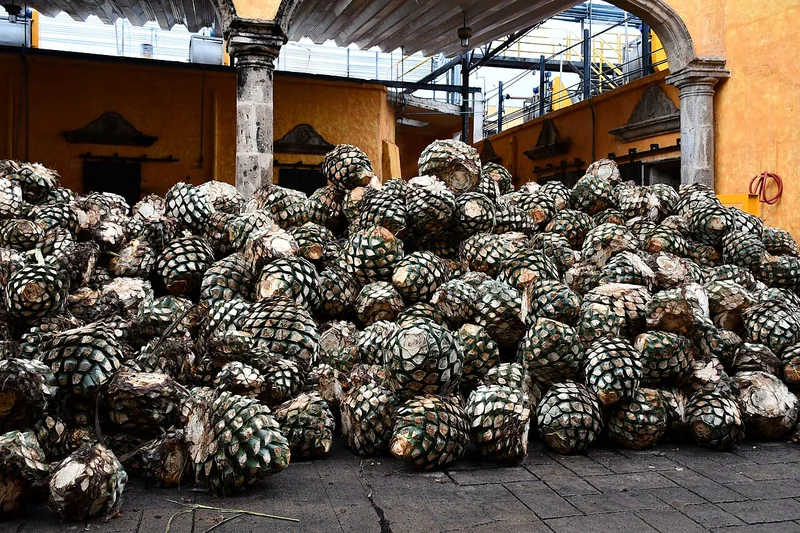
Tequila is a Mexican distilled spirit produced from the roasted hearts (piñas) of the blue agave plant (Agave tequilana Weber azul) in specified Mexican states, primarily Jalisco. Tequila's Denominación de Origen (DO) was established in 1974 and is administered by the Consejo Regulador del Tequila (CRT). Age classifications include Blanco (unaged), Reposado (2–12 months in oak), Añejo (1–3 years), and Extra Añejo (over 3 years). Mixto tequila (minimum 51% agave, remainder other sugars) is distinct from 100% agave tequila, which must be made entirely from blue agave sugar. Tequila's characteristic flavour — cooked agave sweetness, pepper, citrus, and mineral notes — derives from the agave cooking and distillation process.
Quick facts
- Type
- Spirit Base
- Base spirits
- tequila
- Era
- 16th century–present
- Origin
- Jalisco, Mexico
- Glass
- margarita
- IBA listed
- No
Agave Cultivation and the Piña
Blue agave (Agave tequilana Weber azul) is a succulent native to the Jalisco highlands that takes 7–14 years to mature before harvest. The plant concentrates sugars (primarily fructans, long-chain fructose polymers) in its central core (the piña, or heart). At maturity, the piña is harvested by jimadors (agave harvesters using traditional coa de jima blades), trimmed of its leaves, and cooked to convert fructans to fermentable sugars. Traditional cooking uses brick ovens (hornos) at 60–85°C for 24–48 hours; modern production uses industrial autoclaves. Cooking imparts the characteristic 'cooked agave' flavour compounds (including coumarin, β-damascenone, and other furanic compounds) that are central to tequila's aromatic profile. Approximately 7–10 kg of piña is required per litre of finished tequila.
Age Classification System
The CRT (Consejo Regulador del Tequila) defines tequila age categories: Blanco (silver/white) — bottled within 60 days of distillation; Reposado (rested) — aged minimum 2 months, maximum 12 months, in oak containers of any size; Añejo (aged) — aged minimum 12 months, maximum 3 years, in oak containers not exceeding 600 litres; Extra Añejo — aged over 3 years in oak containers not exceeding 600 litres; Cristalino — an añejo or extra añejo filtered to remove colour (controversial category). The Joven category can be mixto blanco or a blended product. Oak ageing contributes vanilla, caramel, and wood spice notes that progressive soften the agave's raw green-pepper character.
Sources & further reading (1)
- encyclopedia — accessed 2026-05-08
Frequently asked questions
What is the difference between tequila and mezcal?
Both tequila and mezcal are agave distillates from Mexico. Tequila must be made from 100% blue agave (Agave tequilana Weber), is produced primarily in Jalisco, and cooks the agave in ovens or autoclaves. Mezcal can be made from dozens of agave species, is produced in multiple Mexican states (primarily Oaxaca), and traditionally cooks the agave in earthen pits with wood coals, producing the characteristic smoke. By Mexican regulation, all tequila is technically a type of mezcal (mezcal de agave), but commercial mezcal and tequila are distinct denominations.
Why do different tequila highland and valley regions taste different?
The two major agave growing areas in Jalisco produce characteristically different tequilas. Highland (Los Altos) agave, grown at 1,500–2,800m elevation in red iron-rich soil, produces piñas with higher sugar content, producing tequila with more floral, fruity, and sweet-agave character. Valley (Tequila Valley, lowland) agave, grown at 1,000–1,200m in volcanic soil near the town of Tequila, produces more herbaceous, pepper, and mineral character. Most major brands source from one or the other; some blend both.