Smoking
Adding wood smoke aromatics to cocktails using chips or herbs — a craft bar technique from the 2000s.
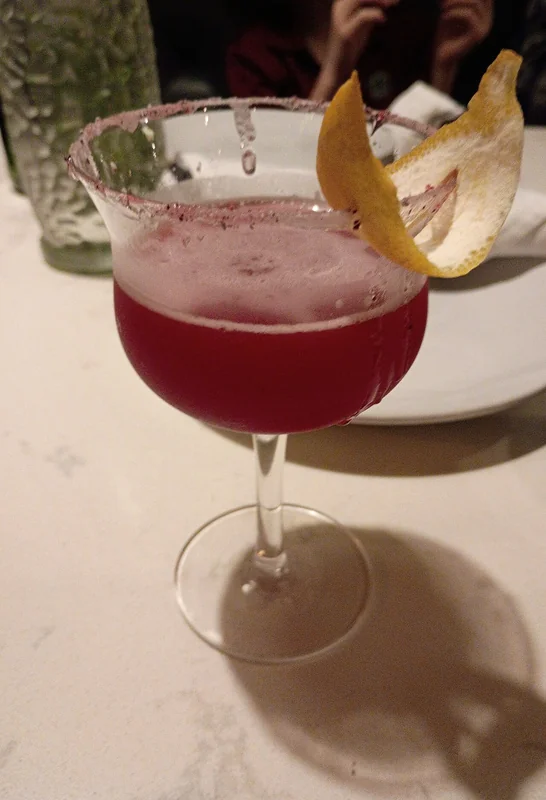
Smoking is a cocktail technique in which wood smoke, herb smoke, or other combustible aromatic materials are introduced to a cocktail or its serving vessel to add smoke flavour and aroma. The technique emerged in craft cocktail bars from the early 2000s alongside the broader molecular gastronomy influence on bartending. Methods include: glass smoking (a smoke-filled dome or bell jar placed over the serving glass to infuse the glass's interior before the cocktail is poured in); wood chip smoking with a cocktail smoker tool (a small tube-and-bellows device that directs smoke directly into the glass or shaker); and smoking cocktail ingredients before preparation (smoked salt rims, smoked ice). Smoking adds phenolic aromatic compounds similar to those in barrel-aged spirits or peated whisky.
Quick facts
- Type
- Technique
Glass Smoking Technique
The most visually dramatic smoking method uses a smoke-filled container: wood chips (cherry, oak, hickory, applewood, or other hardwoods) are lit in a small smoking gun or chimney, and the resulting smoke is directed under an inverted glass or dome until the vessel is filled with white smoke. The glass is set on a flat surface, smoke-filled, and either left with smoke inside while the cocktail is prepared, or inverted over the already-poured cocktail on a serving board for tableside presentation. When the glass is lifted, the concentrated smoke cloud dissipates and deposits aromatic phenolic compounds (guaiacol, syringol, and related compounds) on the glass walls and the drink's surface. The amount of smoke contact and the wood variety determine the intensity and character of the smoke note in the final drink.
Wood Selection and Smoke Character
Different wood species produce distinctly different smoke profiles. Cherry wood smoke contributes sweet, fruity, mild smoke (phenolics + cherry wood lactones). Oak smoke is richer and more complex, similar to barrel-aged spirit character (higher vanillin and guaiacol content). Hickory smoke is intensely savory and robust. Applewood smoke is lighter, with mild sweet notes. Mesquite smoke is intense and earthy. Rosemary smoke adds an herbal, resinous note particularly suited to Mediterranean gin cocktails. The wood selection should complement the cocktail's base spirit: whiskey cocktails typically pair with oak or cherry; gin cocktails with rosemary or lighter woods; mezcal cocktails (which have inherent agave smoke) require careful calibration to avoid smoke overload.
Sources & further reading (1)
- encyclopedia — accessed 2026-05-08
Frequently asked questions
What equipment is needed to smoke cocktails?
The primary tools are: (1) a cocktail smoking gun or cloche smoker — a small device that burns wood chips and directs smoke through a tube; (2) a glass dome or bell jar to trap smoke over the serving vessel; (3) wood chips or chunks specific to the desired smoke character. Consumer cocktail smoking kits (PolyScience, Breville, others) range from simple tube-and-bellows to powered smoking guns. Professional bars may use custom smoking chambers. The technique requires a ventilated area and fire safety precautions.
What cocktails are conventionally served smoked?
Smoked cocktails are associated with whiskey drinks — the Penicillin (peated Scotch float provides smoke without active smoking), smoked Old Fashioned (glass smoked with cherry or oak chips before pouring), and smoked Manhattan. Smoked mezcal cocktails are less common because mezcal already provides smoke from agave pit roasting. The technique is more often a presentation enhancement than a structural flavour element — when smoke is added to a cocktail without a spirit that has inherent smoke character, the technique must be carefully calibrated to avoid unbalancing the drink.