Shaking
Rapid agitation with ice — the technique for sours and any recipe containing citrus, cream, or egg.
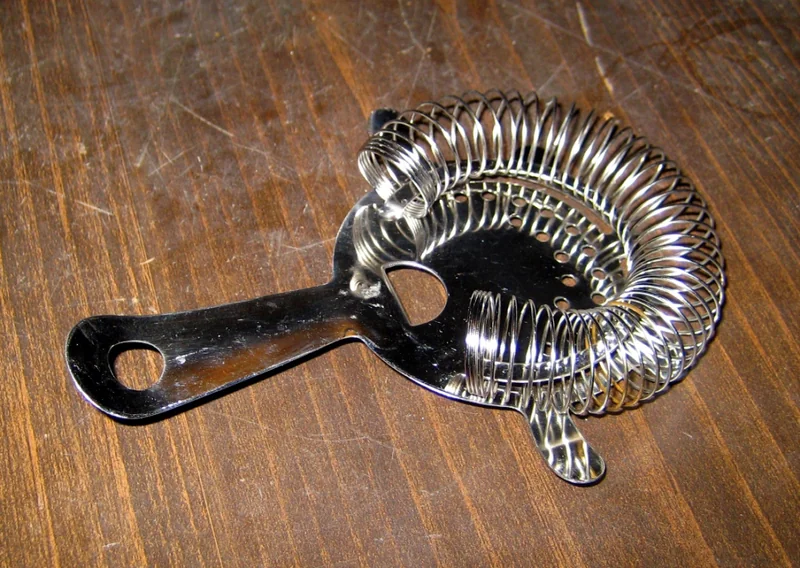
Shaking is a bartending technique that combines cocktail ingredients with ice in a shaker and agitates them rapidly by moving the closed shaker in a vigorous back-and-forth or circular motion. The technique achieves chilling (to approximately -7°C), dilution (25–30% water addition), aeration (air bubbles, particularly important for egg white foam), and thorough mixing of ingredients with different densities (citrus juice, spirit, sugar syrup). Shaking is used for cocktails containing citrus juice, cream, egg, or fruit juice — ingredients that benefit from vigorous emulsification or aeration. The result is a slightly cloudy, texturally rich drink compared to a stirred cocktail. Standard shake duration is 10–15 seconds.
Quick facts
- Type
- Technique
Physics: Temperature, Dilution, and Emulsification
When a shaker is shaken, three physical processes occur: (1) Ice surfaces melt and release water, diluting the spirit and reducing alcohol burn; simultaneously, the endothermic (heat-absorbing) melting process rapidly chills the liquid below 0°C, far faster than stirring with equivalent ice volume. (2) Air is incorporated: the vigorous motion creates a liquid-air interface, and small air bubbles are trapped in the liquid. This aeration is particularly important for egg white cocktails, where denatured protein molecules unfold at the air-liquid boundary and trap air in a stable foam. (3) Emulsification: ingredients with different polarities (oil-soluble aromatic compounds in citrus peel, water-soluble sugars, alcohol) are mechanically homogenised. A properly shaken cocktail is thermodynamically different from a stirred one — colder, more dilute, and with fine ice chips and air bubbles that produce cloudiness and texture.
The Wet and Dry Shake for Egg White
For egg white cocktails (Whiskey Sour, Pisco Sour, Gin Fizz), a 'dry shake' technique is often used before the standard ice shake. The dry shake: all ingredients including egg white are placed in the shaker without ice and shaken vigorously for 10–15 seconds. Without ice present, the egg white proteins more efficiently denature and unfold at the higher temperature, creating a more stable foam precursor. Ice is then added for the wet shake, which chills and dilutes. The two-step method consistently produces more foam than a single shake with ice. An alternative is 'reverse dry shake': shake with ice first (chill and dilute), strain into the shaker tin, add the chilled foam precursor, then dry shake without ice to maximise foam.
Sources & further reading (1)
- encyclopedia — accessed 2026-05-08
Frequently asked questions
What is the difference between a hard shake and a standard shake?
The 'hard shake' (Japanese technique, associated with Kazuo Uyeda) involves a specific figure-8 or pendulum shaker motion designed to maximise interaction between ice and liquid through a controlled, multi-plane agitation. Proponents claim it produces a finer, more integrated texture and slightly different dilution rate compared to a simple back-and-forth shake. The technique was studied in food science publications; results on measurable quality differences are mixed, but the technique has been widely adopted in Japanese precision cocktail bartending.
Should a Martini be shaken or stirred?
Professional bartending convention specifies stirring for spirit-forward, clear cocktails including the Martini. Shaking introduces air and ice chips that cloud the drink and alter texture. The 'shaken, not stirred' preference attributed to James Bond in Ian Fleming's novels is a documented cultural phenomenon but is not an industry standard — it produces a technically different (slightly diluted, cloudy, aerated) cocktail. The choice is a documented personal preference, not a professional prescription.