Rum
A distilled spirit from sugarcane juice or molasses — Caribbean origin, classified by colour and ageing.
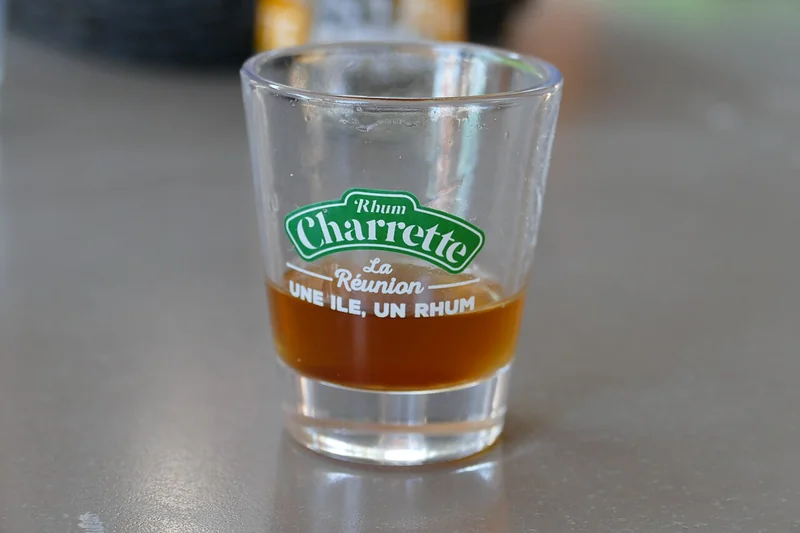
Rum is a distilled spirit produced from fermented sugarcane juice (rhum agricole) or molasses (the residual syrup from sugar refining), the by-product of sugar production. The earliest documented rum production is from 17th-century Caribbean sugar plantations; a 1651 Barbados document refers to 'rumbullion' (later shortened to rum). Major rum-producing regions include the Caribbean (Cuba, Barbados, Jamaica, Puerto Rico, Trinidad), Central and South America (Venezuela, Guatemala), and the Indian Ocean (Martinique, Réunion). Rum styles range from unaged white rum (clean, light) to aged dark rum (oak-influenced, caramel-rich) to funky pot-still Jamaican rum (high-ester, banana-rum notes).
Quick facts
- Type
- Spirit Base
- Base spirits
- rum
- Era
- 1620s–present
- Origin
- Barbados / Caribbean
- Glass
- old-fashioned
- IBA listed
- No
Molasses vs. Fresh Cane Juice Production
Two fundamentally different raw materials are used in rum production. Molasses-based rum (the majority of global production) uses the thick, dark residual syrup left after crystallising sugar from sugarcane juice. Molasses contains 40–60% fermentable sugar and significant colour compounds, mineral salts, and congeners that contribute rum's characteristic rich, dark flavour. Rhum agricole (French agricultural rum, AOC-protected in Martinique) is distilled directly from fresh sugarcane juice rather than molasses, producing a more vegetal, grassy, lighter flavour with higher ester content. The difference between molasses and cane juice distillates is comparable to the difference between grain whisky and single malt — different raw material produces different flavour profiles. Cachaça (Brazilian) is another fresh-cane-juice spirit but is legally a separate category.
Regional Style Differentiation
Major rum-producing regions have developed distinct technical traditions. Cuban rum (Havana Club style) emphasises multi-column distillation and extended ageing, producing light-bodied, clean spirit with subtle oak. Barbadian rum (Cockspur, Mount Gay) uses both pot and column stills, producing medium-bodied spirit with clean tropical fruit notes. Jamaican rum is characterised by 'dunder' fermentation (adding residual still solids to the fermentation) and pot-still distillation, producing high-ester, funky 'hogo' flavour (banana, overripe fruit, vegetal notes) at high congener levels. Martinique rhum agricole (AOC) is distilled from fresh cane juice in column stills to 65–70% ABV, with terroir-influenced flavour variation by sugar cane variety and soil. Puerto Rican rum (Bacardí, Don Q) uses column distillation and activated charcoal filtration for a clean, light profile.
Sources & further reading (2)
- encyclopedia — accessed 2026-05-08
- encyclopedia — accessed 2026-05-08
Frequently asked questions
What makes Jamaican rum distinctive?
Jamaican rum's distinctive 'hogo' (funky, overripe-fruit) character results from the use of 'dunder' — the spent lees and spent wash from previous distillations — added back into new fermentation batches. This increases the ester content (particularly ethyl butyrate and isoamyl acetate, which produce banana and fruity notes) dramatically compared to clean fermentation. Jamaican pot still distillation also produces higher congener levels. High-ester Jamaican rums (Worthy Park, Hampden Estate) are used by bartenders to add flavour complexity at small doses in tropical cocktails.
What is the difference between white, gold, and dark rum?
White (silver) rum is either unaged or aged briefly and then filtered through charcoal to remove colour. Gold (amber) rum is typically aged in oak for 1–5 years, gaining caramel, vanilla, and oak notes without dark colouration. Dark rum is aged in charred barrels for longer periods (or has caramel colouring added in some lower-quality versions), producing deep brown colour and rich, molasses-caramel flavour. The colour categorisation is a rough guide; the most reliable classification for quality is by production region, method, and specific producer.