Pisco Sour
Pisco brandy, lime juice, sugar, and egg white — Peru's national cocktail created by Victor Morris in 1920s Lima.
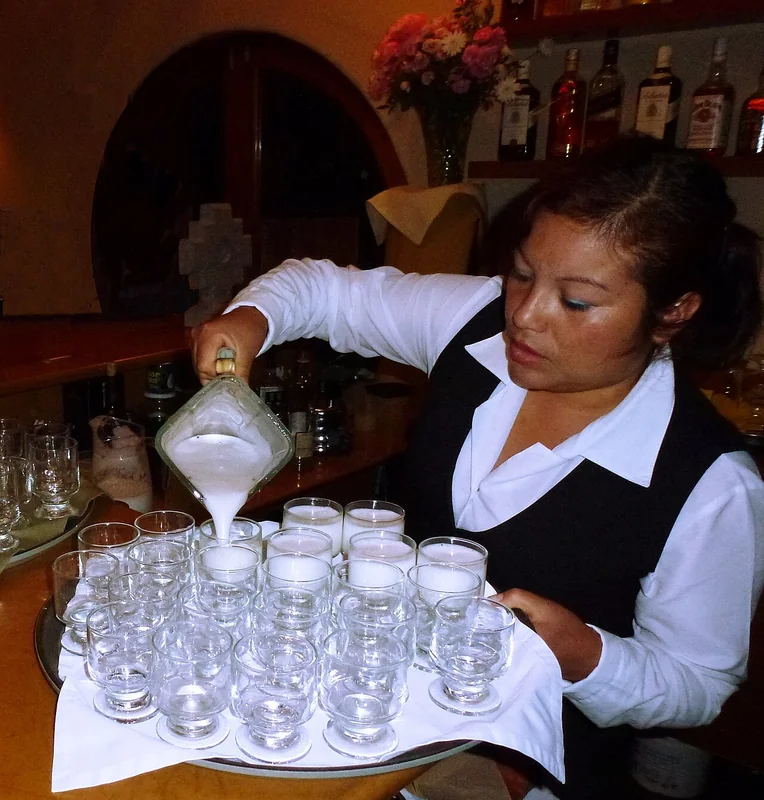
The Pisco Sour is the national cocktail of Peru, combining Peruvian pisco (grape brandy) with fresh lime juice, simple syrup, egg white, and a dash of Angostura bitters. The recipe is attributed to American bartender Victor Morris, who opened Morris's Bar in Lima, Peru around 1916–1920 and is documented as creating the Pisco Sour in the early 1920s. The drink is legally protected as a Peruvian cultural heritage item. A Chilean variant exists using Chilean pisco, though Peru and Chile maintain a dispute over the designation of 'pisco.' The egg white, shaken to create a frothy head, and the single drop of Angostura bitters as a garnish are defining characteristics.
Quick facts
- Type
- Classic Recipe
- Base spirits
- pisco
- Era
- 1920s–present
- Origin
- Lima, Peru
- Glass
- coupe
- IBA listed
- Yes — Official IBA cocktail
Victor Morris and the Lima Origin
Victor Vaughen Morris (1873–1929) was an American bartender from Salt Lake City, Utah, who emigrated to Peru around 1904 while working for a US railroad company and later opened Morris's Bar in Lima, Peru circa 1916. Morris's Bar catered to English-speaking expatriates and Peruvian upper class, and Morris adapted the Whiskey Sour template to local ingredients — Peruvian pisco replacing American whiskey. Mario Bruiget, a Peruvian employee who worked at Morris's Bar, is credited with the addition of egg white and Angostura bitters drops. The recipe was codified in Lima bars after Morris's death in 1929. The Peruvian government declared the Pisco Sour part of national cultural heritage in 2007, and a national Pisco Sour Day is observed on the first Saturday of February.
Peruvian Pisco: Grape Varieties and Production
Peruvian pisco is a grape brandy produced in the coastal valleys of Peru (Ica, Arequipa, Moquegua, Tacna, Lima) under a Denominación de Origen. It is distilled from fresh grape must (not wine) in copper pot stills and must not be diluted after distillation — water addition is prohibited. Eight grape varieties are legally permitted: Quebranta (the most common, producing a rich, earthy pisco), Italia, Moscatel, Torontel, Albilla (aromatic varieties), and the red varieties Negra Criolla, Mollar, and Uvina. Pisco Puro is made from a single variety; Pisco Acholado is a blend. The two major Denominaciones de Origen — Peruvian pisco (denominated 2001) and Chilean pisco (denominated 1931) — use different production methods and grape varieties.
Sources & further reading (2)
- encyclopedia — accessed 2026-05-08
- encyclopedia — accessed 2026-05-08
Frequently asked questions
What is the 'pisco controversy' between Peru and Chile?
Both Peru and Chile produce a grape brandy called 'pisco.' The Peruvian Denominación de Origen requires unaged, undiluted pot-still distillate from specific grapes in specific valleys. Chilean pisco may be aged in oak, blended with water to reduce proof, and uses different grape varieties (Muscat variants predominant). Each country claims historical priority for the name. The dispute affects import/export labelling in various markets. Cocktail authorities and international geographical indication bodies have reached different conclusions, with no global consensus.
Why does the Pisco Sour use lime rather than lemon?
The Peruvian lime (Citrus × aurantiifolia, Key lime) has a more intense, aromatic quality than the Persian lime common in North America and Europe. It is the historic and standard citrus used in Lima cocktail culture. The IBA recipe specifies fresh lemon juice for international accessibility, but Peruvian traditional recipes and Peruvian bartenders specify lime. The acidity profile of Peruvian lime (slightly lower pH than Persian lime) interacts with the pisco's unaged grape character differently than lemon.