Mai Tai
Aged rum, orange curaçao, lime, and orgeat — the defining Tiki cocktail created by Trader Vic in 1944.
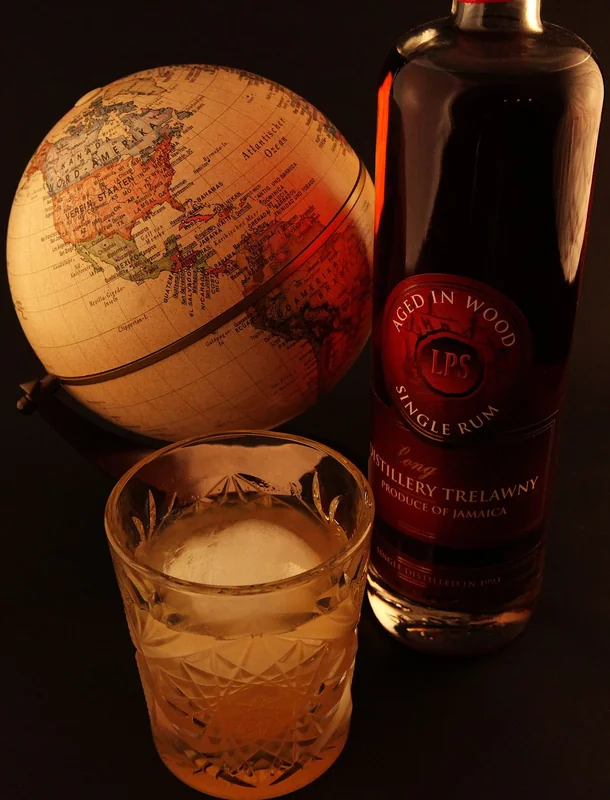
The Mai Tai is a rum-based cocktail created by Victor 'Trader Vic' Bergeron at his Oakland, California restaurant in 1944. The IBA recipe combines dark aged Jamaican rum, orange curaçao, lime juice, orgeat syrup (almond-based), and a float of dark rum, garnished with mint and a lime shell. The name is Tahitian for 'out of this world — good.' The drink is the signature cocktail of the Tiki movement, which Trader Vic and Donn Beach ('Don the Beachcomber') developed as a romanticised Polynesian escapism bar culture in 1930s–1950s California. The Mai Tai's multi-rum structure — blending aged Jamaican rum with lighter or darker rums — reflects the complexity of the Tiki formula approach.
Quick facts
- Type
- Classic Recipe
- Base spirits
- aged jamaican rum, orange curacao, dark rum
- Era
- 1944–present
- Origin
- Oakland, California, United States
- Glass
- old-fashioned
- IBA listed
- Yes — Official IBA cocktail
Trader Vic's 1944 Creation Account
Victor 'Trader Vic' Bergeron documented the Mai Tai's creation in his 1972 book Trader Vic's Bartender's Guide: 'I took down a bottle of 17-year-old rum. [...] I took a fresh lime, some orange curaçao from Holland, a dash of Rock Candy Syrup, and a dollop of French Orgeat for its subtle almond flavour.' He shook the drink and served it to friends Carrie and Ham Guild, who were visiting from Tahiti. Carrie's reaction — 'Mai tai, roa ae!' (Tahitian for 'Out of this world — the best!') — gave the drink its name. The original rum was J. Wray and Nephew 17-year-old Jamaican rum; when that stock was exhausted, Bergeron developed substitute blends. Donn Beach ('Don the Beachcomber') disputed authorship and claimed a prior version, but Bergeron's documented account from the early 1940s is the most cited.
Orgeat and the Multi-Rum Structure
Orgeat (French, pronounced 'or-zhah') is a non-alcoholic almond-based syrup with a sweet, nutty flavour and light floral notes from orange flower water. It originated as a barley-almond beverage in medieval Europe; the modern cocktail version developed in 19th-century France. In the Mai Tai, orgeat provides both sweetness and a distinct almond-apricot note that cannot be substituted with simple syrup. The multi-rum approach — blending light and dark rums — creates a layered flavour profile: the light rum provides clean sweetness and lift, the dark aged Jamaican rum provides rich molasses, vanilla, and banana notes. The float of dark rum on top (poured over the back of a spoon) creates a visual dark layer and concentrated aroma when sipped.
Sources & further reading (2)
- encyclopedia — accessed 2026-05-08
- encyclopedia — accessed 2026-05-08
Frequently asked questions
What is orgeat and can it be substituted?
Orgeat is an almond-based non-alcoholic syrup containing sugar, almond extract or steeped almonds, and orange flower water. Substitutes (like simple syrup, falernum, or almond extract in simple syrup) produce drinks that are close in sweetness but lack orgeat's specific almond-flower character. Traditional French orgeat (Monin, BG Reynolds, or home-made versions) is considered non-negotiable for authentic Mai Tai flavour. Many commercially served 'Mai Tais' substitute generic orange juice or pineapple juice, producing a sweeter, fruitier drink that differs substantially from Trader Vic's original formula.
What distinguishes Jamaican aged rum in the Mai Tai context?
Jamaican aged rum is characterised by a high ester content produced through a distinctive fermentation process — pot-still distillation with dunder (leftover still residue) added back to the fermentation, which produces heavy, fruity, banana-rum compounds (particularly ethyl butyrate and isoamyl acetate). The rich, funky flavour of aged Jamaican rum (such as Appleton Estate or J. Wray and Nephew) interacts with the almond-citrus notes of orgeat and orange curaçao in a way that lighter, column-still rums cannot replicate.