Italian Aperitivo
The Italian pre-meal drinking ritual with bitter aperitivos and small food — from 19th-century Turin.
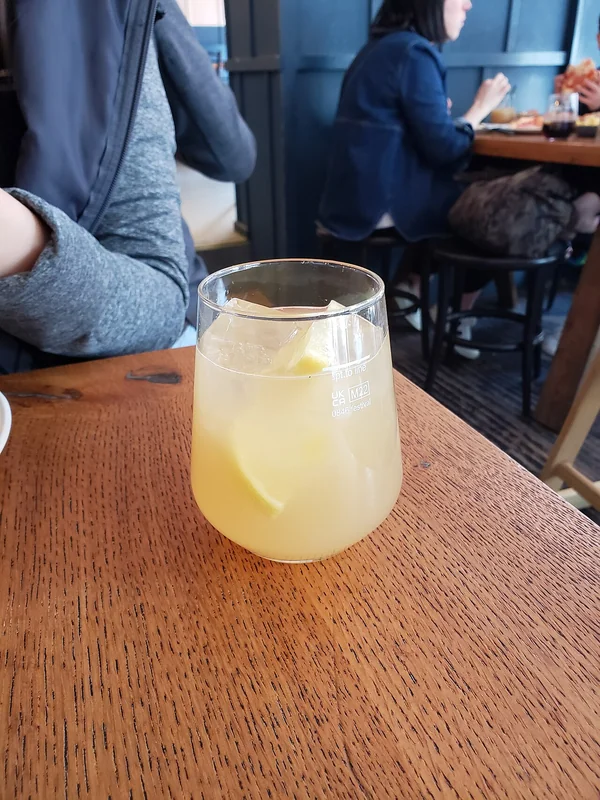
The Italian aperitivo is a cultural ritual of pre-meal social drinking centred on bitter aperitivo liqueurs, vermouth, and light food (stuzzichini), consumed in the late afternoon or early evening before dinner. The tradition is documented from early 19th-century Turin, where Antonio Benedetto Carpano created sweet vermouth in 1786 and established the aperitivo context. The Milanese aperitivo hour (aperitivo milanese, or 'Milan aperitivo') developed in the early 20th century with Campari (invented by Gaspare Campari, 1860) and Aperol (Barbieri brothers, 1919) as its defining beverages. The Aperol Spritz (Aperol, Prosecco, soda water, orange slice) became the most commercially widespread aperitivo drink globally from the 2010s.
Quick facts
- Type
- Cocktail Culture
- Era
- 1786–present
- Origin
- Turin and Milan, Italy
Antonio Carpano and the Invention of Vermouth
Antonio Benedetto Carpano is documented as having created sweet vermouth in Turin in 1786, combining white wine with an infusion of alpine herbs, spices, and wormwood (Artemisia absinthium — 'wermut' in German, from which 'vermouth' derives). Carpano's shop on Piazza Castello in Turin reportedly kept unusual hours to accommodate the demand, and King Vittorio Amedeo III of Sardinia is said to have adopted it. Turin's position as a centre of the Italian herb and spice trade made it the natural origin point for vermouth production. By the early 19th century, Martini & Rossi (founded 1863) and Cinzano (founded 1757, producing vermouth from the 1780s) had industrialised vermouth production. The aperitivo context — drinking vermouth or bitter liqueur before a meal to prepare the digestive system — is documented in 19th-century Italian bourgeois social practice.
The Milan Aperitivo and Global Spread
The Milanese aperitivo hour (typically 6–8 pm) developed as an urban social ritual in 20th-century Milan, centred on the bars around the fashion, finance, and design districts. Bar Basso (opened 1947) and other historic Milan bars developed the convention of serving small food (olives, cured meats, cheese, crostini) alongside aperitivo drinks without additional charge, making the aperitivo also a light early meal. The Spritz — originally a diluted wine drink in 19th-century Austrian-occupied Veneto (soldiers adding water to Venetian wine) — evolved into the Aperol Spritz (Aperol, Prosecco, soda water) by the mid-20th century. Campari's targeted marketing from the 2000s, combined with the global spread of Italian restaurant culture, expanded the aperitivo concept internationally. By 2019, the Aperol Spritz was reported as Europe's best-selling cocktail.
Sources & further reading (2)
- encyclopedia — accessed 2026-05-08
- encyclopedia — accessed 2026-05-08
Frequently asked questions
What is the difference between aperitivo and digestivo?
Aperitivo (from Latin 'aperire,' to open) refers to drinks consumed before a meal to stimulate the appetite. They are typically bitter, light in sweetness, and low to moderate in alcohol — vermouth, Campari, Aperol, Cynar, Fernet Branca when used as aperitivo. Digestivo (from Latin 'digestivus') refers to stronger, often sweeter or more intensely bitter liqueurs consumed after a meal to aid digestion — amaro, grappa, limoncello, sambuca, Fernet Branca when used as digestivo. The same product can serve as either aperitivo or digestivo depending on context and dose.
What is the Spritz's Venetian origin?
The word 'Spritz' (from German 'spritzen,' to spray or splash) describes the original Venetian practice of Austrian soldiers stationed in the Kingdom of Lombardy-Venetia (1815–1866) who diluted local white wine with water from a siphon because they found the wines stronger than they were accustomed to in Austria. The habit spread to Venetian locals. By the early 20th century, Campari or other red bitters were substituted for the water, creating the 'Campari Spritz.' The Aperol Spritz (Aperol replacing Campari for a lighter, lower-alcohol version) became the dominant form from the 1950s in Veneto and the 2010s globally.