Gin
A neutral grain spirit redistilled with juniper botanicals — defined by juniper dominance under EU law.
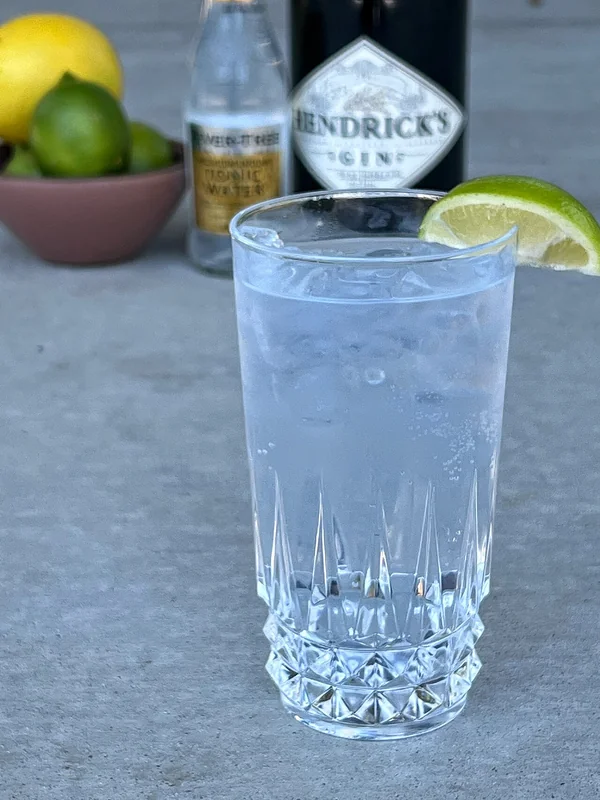
Gin is a neutral grain spirit (or other neutral spirit) flavoured with juniper berries and other botanicals, with juniper required to dominate the flavour profile under EU Regulation 2019/787 and UK Gin Regulations (2018). The EU recognises three geographic indication-protected gin styles: London Dry (redistilled with botanicals, no additives except water and a small amount of sweetener after distillation), Distilled Gin (redistilled with botanicals, sweeteners allowed), and Gin (compound gin, botanicals added to spirit without redistillation). The global gin market has grown substantially since the early 2000s craft distilling movement, with style diversity ranging from classic juniper-forward London Dry to floral, citrus, maritime, and cucumber-rose variants.
Quick facts
- Type
- Spirit Base
- Base spirits
- gin
- Era
- 17th century–present
- Origin
- Netherlands / England
- Glass
- highball
- IBA listed
- No
History: Genever to London Dry
Gin's origins are in the Dutch spirit genever (also jenever or Dutch gin), a malt wine spirit flavoured with juniper and spices, documented in the Netherlands and Belgium from the 17th century. English soldiers encountered genever during the Thirty Years' War (1618–1648) and brought it to England, where 'Dutch courage' became a popular phrase. The Gin Act of 1751 and related legislation regulated the chaotic 18th-century British gin trade, which had produced a period of unrestricted production and widespread consumption documented as the 'Gin Craze' (1720–1751). London Dry gin — made with a continuous column still producing a neutral grain spirit, which is redistilled with fresh botanicals in a pot still — developed in the 19th century after Aeneas Coffey's patent still invention (1831), enabling lighter, cleaner spirit production. The classic London Dry style (Tanqueray 1830, Beefeater 1862, Gordon's 1769) dominated global gin markets through most of the 20th century.
Botanicals and the Juniper Requirement
Juniper berries (Juniperus communis) are the defining botanical of gin under all major regulatory frameworks. Their flavour derives from alpha-pinene, myrcene, and other monoterpene compounds, producing the characteristic resinous, piney, citrus-forward aroma. Beyond juniper, gin botanicals are not legally specified and vary widely by producer. Common London Dry botanicals include coriander seed (second most common after juniper, providing citrus-spice character), angelica root (earthy, fixing botanical), citrus peel (lemon and orange), and cardamom. Contemporary gins incorporate hundreds of additional botanicals: rose petals, cucumber, elderflower, sea buckthorn, Japanese botanicals, tea. The legal requirement that 'the taste of juniper is predominant' is enforced by regulators but is interpreted with latitude in practice.
Sources & further reading (2)
- encyclopedia — accessed 2026-05-08
- encyclopedia — accessed 2026-05-08
Frequently asked questions
What is the difference between London Dry gin and other gin styles?
London Dry gin must be made by redistilling a neutral spirit of agricultural origin (at least 96% ABV) with natural botanicals in the still, and no flavourings, sweeteners, or colourings may be added after distillation (except a small amount of sugar and water). Old Tom gin is lightly sweetened (can be sweetened post-distillation). Plymouth gin is a geographically protected style produced in Plymouth, UK, with a slightly earthier botanical profile. Navy Strength gin is bottled at minimum 57% ABV (100° proof), originally the strength at which gin soaked into gunpowder would still ignite if spilled on a ship. Contemporary gin styles (New Western, New American) relax the juniper-dominance interpretation.
Why is coriander seed the second most common gin botanical?
Coriander seed (not the herb/leaf, also called cilantro) contributes a spicy, citrus-woody flavour from linalool and geraniol compounds. Its flavour profile (lemony, slightly spicy, clean) complements juniper's piney resin and provides a citrus-spice bridge between juniper and the citrus peel botanicals. Most London Dry gins use coriander seed in large proportions (second only to juniper by weight) for this bridging role.