Daiquiri
White rum, lime juice, and sugar — a Cuban formula from 1898 and template for the sour family.
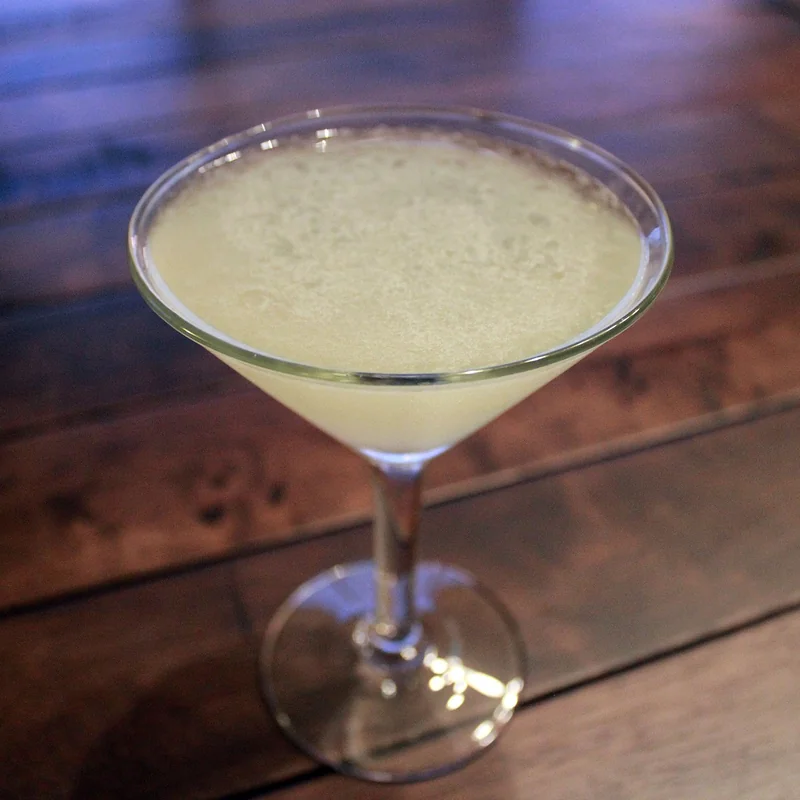
The Daiquiri is a three-ingredient sour cocktail combining white rum, fresh lime juice, and simple syrup (or sugar), shaken over ice and strained into a coupe glass. The drink is documented from 1898 Cuba, where American mining engineer Jennings Cox created a punch for visiting guests using local ingredients near the village of Daiquirí, Santiago de Cuba. The formula was brought to Washington by naval officer Lucius Johnson around 1909 and entered cocktail documentation through Havana's La Floridita bar, where bartender Constantino Ribalaigua Vert refined the recipe in the 1910s–1920s. The Daiquiri is the foundational template for the sour category: spirit, citrus, sweetener.
Quick facts
- Type
- Classic Recipe
- Base spirits
- white rum
- Era
- 1898–present
- Origin
- Daiquirí, Santiago de Cuba, Cuba
- Glass
- coupe
- IBA listed
- Yes — Official IBA cocktail
The 1898 Cuban Origin
The documented origin involves Jennings Cox, an American engineer employed at the iron mines near Daiquirí village, who in 1898 mixed rum with lime juice and sugar to serve visiting guests when he ran short of gin. Cox recorded the recipe in his diary. Naval officer Lucius Johnson brought the recipe to the Army and Navy Club in Washington, D.C. around 1909, where it is documented in club records. Cocktail historian David Wondrich has researched the Cox papers and corroborates the basic account. The drink's name comes from the Cuban village.
La Floridita and the Frozen Daiquiri
Havana's La Floridita bar, where Constantino 'Constante' Ribalaigua Vert served as head bartender from 1912 to 1952, became associated with both the classic and frozen Daiquiri. Ribalaigua developed multiple Daiquiri variants (Floridita Daiquiri No. 1–6), progressively refining the formula and introducing frozen (blended with crushed ice) variations in the 1930s when electric blenders became available. Ernest Hemingway, who frequented La Floridita in the 1930s–50s, is documented to have preferred a variant with double rum, no sugar, and a few drops of grapefruit juice — this became known as the 'Papa Doble' or 'Hemingway Daiquiri,' documented in his correspondence and in bar records.
Sources & further reading (2)
- encyclopedia — accessed 2026-05-08
- encyclopedia — accessed 2026-05-08
Frequently asked questions
What is the difference between a classic Daiquiri and a frozen Daiquiri?
A classic Daiquiri is shaken with ice cubes and strained, producing a cold but liquid cocktail with a slightly frothy texture from shaking. A frozen Daiquiri blends all ingredients with crushed ice in a blender, producing a thick, slush-like consistency. The frozen form was popularised in the 1930s at La Floridita and became commercially widespread in the 1970s–80s through Daiquiri machines. Fruit variants (strawberry, mango) are almost always made in the frozen style.
Why does a Daiquiri specify white rum rather than aged rum?
White (unaged or lightly aged and charcoal-filtered) rum provides a clean, neutral-sweet base that allows the lime and sugar to dominate the flavour. Aged rum contributes oak, vanilla, and caramel notes that compete with the fresh citrus profile. The original Cuban formula used the local light rums produced in the Santiago de Cuba region. Dark or aged rums are used in other rum-sour variants but alter the drink's characteristic freshness.