Caipirinha
Cachaça, lime, and sugar muddled in the glass — Brazil's national cocktail built over crushed ice.
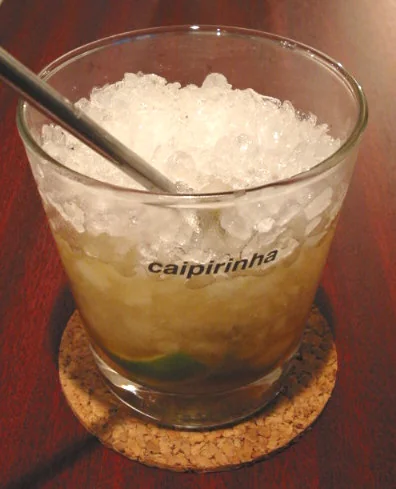
The Caipirinha is Brazil's national cocktail, combining cachaça (Brazilian sugarcane spirit) with fresh lime wedges and sugar, muddled together and served over crushed ice in a short glass. The name derives from the Brazilian Portuguese word 'caipira,' meaning a rural or country person, suggesting a drink of rural origin. The recipe is built directly in the serving glass (no straining), which is called the 'build' technique. Cachaça is a spirit distilled directly from fresh sugarcane juice (not molasses), distinguishing it from rum. The Caipirinha is among the most-ordered cocktails in Brazil and is internationally recognised as the country's defining cocktail contribution.
Quick facts
- Type
- Classic Recipe
- Base spirits
- cachaca
- Era
- early 20th century–present
- Origin
- Brazil
- Glass
- old-fashioned
- IBA listed
- Yes — Official IBA cocktail
Cachaça vs. Rum: Production Differences
Cachaça is produced by fermenting fresh sugarcane juice and distilling the resulting fermented wash, typically in column or pot stills. This contrasts with rum, which is most commonly made from molasses (the residual syrup after sugar crystals have been extracted from sugarcane). The use of fresh cane juice produces a lighter, greener, grassier spirit with more fresh vegetable notes than molasses-based rum. Cachaça is classified as 'unaged' (white/silver) or 'aged' (in various Brazilian wood types, notably amburana, jequitibá, and roble). Unaged cachaça, used in the Caipirinha, has an ABV of 38–48%. Brazil requires that a product labelled 'cachaça' be produced in Brazil — the designation has been protected in trade agreements with the European Union and the United States.
The Build Technique and Muddling
The Caipirinha is constructed using the build technique: lime wedges and sugar are placed directly in the serving glass, the lime is pressed with a muddler to release juice and aromatic oils from the peel, cachaça is added, and crushed or cubed ice fills the glass. The drink is not strained — the lime pieces remain in the glass. This distinguishes the Caipirinha from the Daiquiri (similar ingredients but shaken and strained). The choice of white sugar (granulated, not syrup) is traditional; the undissolved sugar can be stirred in by the drinker, which gradually changes the drink's sweetness as the ice dilutes and the sugar dissolves. Fruit variants (Caipiroska with vodka, Caipirissima with rum) are documented derivatives.
Sources & further reading (2)
- encyclopedia — accessed 2026-05-08
- encyclopedia — accessed 2026-05-08
Frequently asked questions
What is the difference between a Caipirinha and a Caipiroska?
A Caipiroska substitutes vodka for cachaça, using the same lime-sugar muddling technique. Vodka's neutral profile produces a cleaner, more overtly citrus-forward drink than cachaça's grassy-sweet character. The Caipiroska became popular in the 1990s in Brazil as vodka availability increased. A 'Caipirissima' uses white rum instead of cachaça.
Is the Caipirinha a sour or a built cocktail?
The Caipirinha is classified as a built cocktail (assembled in the serving glass without straining) and belongs to the sour family by structure (spirit, citrus, sweetener). The muddling of whole lime wedges rather than using strained fresh juice is the key distinction from a Daiquiri-style sour. The lime peel oils, expressed during muddling, contribute a distinct bitter-aromatic character absent from strained lime juice drinks.