Building
Constructing a cocktail directly in the serving glass — used for highballs and carbonated long drinks.
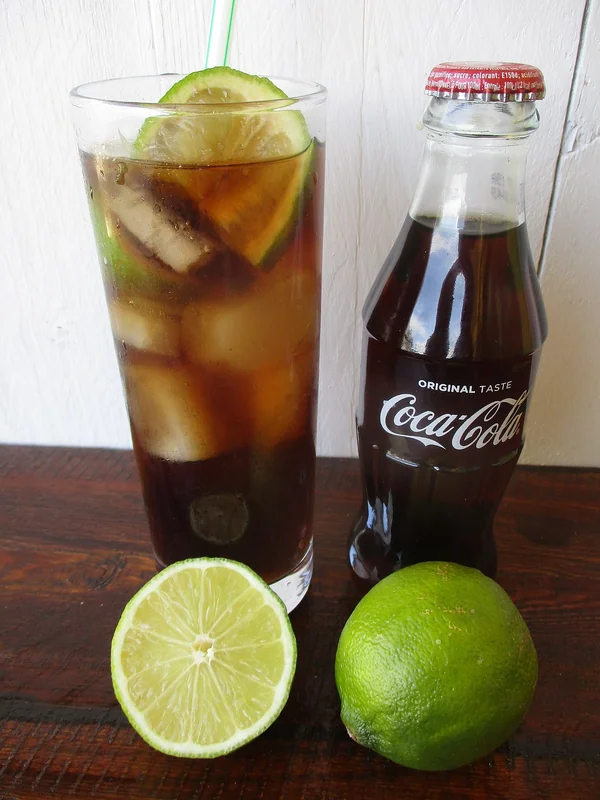
Building is a bartending technique in which cocktail ingredients are added directly to the serving glass in sequence, over ice, without a separate mixing vessel. It is the technique for highballs (Gin and Tonic, Whiskey and Soda), the Old Fashioned (when made in the rocks glass), the Caipirinha (muddled in the glass), and other long drinks. The technique is used when: (1) carbonated soda or tonic must not be agitated (shaking or stirring would lose carbonation); (2) the layered presentation is intentional (Tequila Sunrise, Jungle Bird float); or (3) the drink is served over ice that will progressively dilute it during consumption. Building requires understanding of ingredient layering — denser liquids sink, lighter/carbonated liquids float.
Quick facts
- Type
- Technique
Ingredient Layering and Density
When building a cocktail in a glass, liquids of different densities will separate or layer if poured carefully. Dense liquids (higher sugar content, lower alcohol, or heavier syrups like grenadine or crème de mûre) sink to the bottom; lighter liquids (high-alcohol spirits, carbonated mixers, low-sugar syrups) float. This property is exploited in layered drinks: a Tequila Sunrise layers grenadine (dense) below orange juice by pouring the grenadine gently over the back of a bar spoon after adding juice and tequila. The Bramble drizzles crème de mûre over the top of crushed ice so it slowly sinks through the ice. The Gin and Tonic specifies adding tonic water last and very gently (down the side of the glass or over a spoon) to preserve carbonation.
When to Build vs. Stir vs. Shake
The choice of building vs. stirring vs. shaking is determined by: (1) the presence of carbonated ingredients (building required — carbonation cannot survive shaking or aggressive stirring); (2) the presence of emulsification-requiring ingredients (citrus, egg, cream — requires shaking); (3) the serving format (over ice in a tall glass suits building; up in a coupe suits stirring or shaking + straining); (4) desired texture (building produces a drink that starts strong and becomes progressively diluted as ice melts; stirred/strained produces consistent strength throughout). The 'built in glass' Old Fashioned is considered traditional; the 'stirred in mixing glass and strained over a large ice cube' version is a modern variation that provides more temperature and dilution control.
Sources & further reading (1)
- encyclopedia — accessed 2026-05-08
Frequently asked questions
Why is the tonic always added last in a Gin and Tonic?
Tonic water's carbonation is preserved by minimising agitation. Adding tonic last, over a filled glass of ice with gin already present, allows it to be poured gently down the side of the glass or over the back of a spoon, avoiding splashing and preserving CO2. Adding spirits after tonic would require stirring to mix, which would lose carbonation. The same principle applies to all highball builds: sparkling ingredient last.
What is a 'float' in the building technique?
A float is when a small amount of a denser or more viscous liquid is poured over the back of a bar spoon onto the surface of a drink so it rests as a distinct visible layer rather than mixing in. Examples: dark rum float on a Mai Tai, Islay Scotch float on a Penicillin, crème de mûre float on a Bramble, red wine float on a New York Sour. The float can be drunk with the drink below (mixing as sipped) or remain visible throughout service as a presentation element.