Blending
Electric blender mixing with ice — the technique for frozen Daiquiris and tropical cocktails since the 1930s.
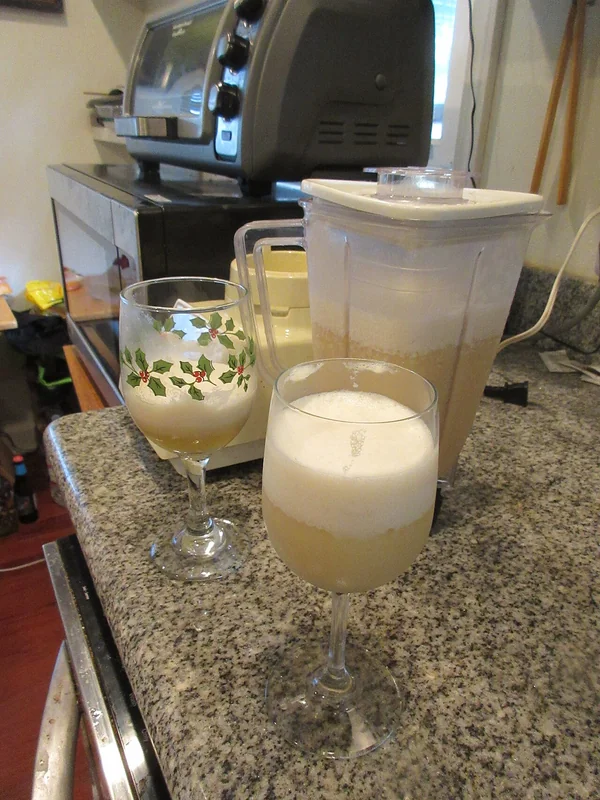
Blending is a cocktail technique using an electric blender to combine ingredients and crushed ice into a thick, slush-like consistency. The technique produces frozen cocktails — a category that became commercially viable when the electric blender (introduced by the Waring blender in 1937) became available in American bars. Constantino Ribalaigua Vert at La Floridita in Havana developed the frozen Daiquiri in the 1930s using the new blender technology. The 1970s–80s saw the proliferation of frozen Margarita machines (automatic blenders with continuous slush production). Blending achieves a physically different result from shaking or stirring: the ice is mechanically broken into fine particles that are suspended throughout the liquid, creating a uniform frozen emulsion.
Quick facts
- Type
- Technique
Blender Technology and the Frozen Cocktail
The commercial electric blender — the Waring Blender, developed by Fred Osius and sold from 1937 — was adopted in American and Caribbean bars within years of its introduction. Constantino Ribalaigua Vert at Havana's La Floridita reportedly used one by the late 1930s to refine the frozen Daiquiri formula he had been developing. The blender's ability to produce a smooth frozen consistency without manual labour made frozen drinks commercially viable in bars. In 1971, Mariano Martinez Jr. in Dallas adapted a soft-serve ice cream machine to continuously produce frozen Margaritas, inventing the frozen Margarita machine — which became widespread in Tex-Mex restaurant culture through the 1980s. Piña Coladas (first documented 1954, with the blended version in the 1970s) became the canonical frozen cocktail of the American resort and beach bar culture.
Ratio of Ice to Liquid in Blended Cocktails
The standard ratio for a blended cocktail is approximately 1.5–2 parts crushed or cubed ice to 1 part liquid ingredients (spirit, juice, syrups). Too little ice produces a liquid cocktail that may be chilled but not frozen; too much ice produces a thick, hard-to-drink cocktail with diluted flavour. Crushed ice (smaller pieces) blends more smoothly with a standard blender. Full-size ice cubes in a powerful blender (Vitamix, Blendtec) can produce a smoother result by completely shattering the ice. The goal texture is usually described as 'spoonable but pourable' — thick enough to hold a garnish but fluid enough to drink through a straw.
Sources & further reading (2)
- encyclopedia — accessed 2026-05-08
- encyclopedia — accessed 2026-05-08
Frequently asked questions
What cocktails are always blended rather than sometimes blended?
Some cocktails are defined by the blended technique: the Piña Colada (documented in its blended form since the 1970s) and the frozen Margarita are primarily served blended. The frozen Daiquiri exists as a distinct category from the classic shaken Daiquiri. Other cocktails (regular Daiquiri, Margarita) can be made both ways, with the non-blended version considered the 'classic' and the blended version a variant.
What type of blender is standard in professional bars?
Commercial-grade blenders (Hamilton Beach, Waring, Vitamix commercial models) with motors of 1500–3000 watts are standard in high-volume bars for frozen cocktail production. Consumer blenders (750–1000W) can produce frozen cocktails but with less consistency and more motor wear. The Vitamix 5200 and similar high-powered consumer models are widely used in craft cocktail bars for their ice-crushing power. The key specification is motor power (for ice crushing) and blade quality.