Western Steeping
The standard European approach — larger cup, lower leaf ratio, one long steeping — origin of the teabag.
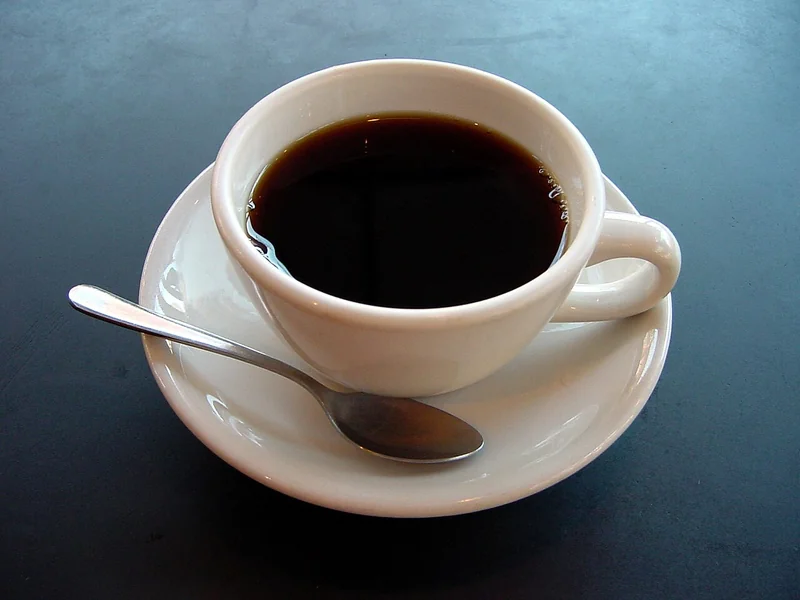
Western steeping is the standard approach to brewing tea developed in Europe and Britain from the 17th century onwards, using a relatively large vessel (250–500 ml teapot or mug), a lower leaf-to-water ratio (2–4 grams per 250 ml), higher water temperatures (90–100°C for black teas), and a single longer steeping time (3–5 minutes). Unlike gongfu cha, which produces multiple short infusions from a high leaf ratio, western steeping extracts a single, full-strength cup. This method suits mass-market teas — particularly Indian and Ceylonese black teas — and is the basis of the global tea bag industry. It is the dominant method in the UK, United States, Australia, and most of Europe.
Quick facts
- Type
- Brewing Method
Parameters and Approach
Western steeping parameters vary by tea type. Black teas (Assam, Darjeeling, Ceylon, Keemun) are steeped at 90–100°C for 3–5 minutes with 2–4 grams per 250 ml. Green teas are steeped at 70–80°C for 1–2 minutes to minimise bitterness. White teas are steeped at 75–85°C for 3–5 minutes. Oolong teas occupy a middle ground at 85–95°C for 2–4 minutes. Over-steeping (beyond the recommended time) at high temperatures extracts excess tannins, producing bitterness and astringency. Under-steeping produces thin, flavourless results. Western-style teapots are typically ceramic, glass, or cast iron, with a built-in infuser basket or loose-leaf strainer.
Tea Bags and Standardisation
The western steeping tradition gave rise to the tea bag, invented in the United States by Thomas Sullivan around 1908, who sent tea samples in small silk bags that customers brewed directly. Rectangular paper tea bags became standard in Britain from the 1950s. Today, roughly 96 percent of British tea is brewed from tea bags — predominantly CTC Assam tea, optimised for fast extraction at 100°C within 2–3 minutes. The development of tea bags standardised and accelerated the western steeping method, reducing steeping time and simplifying the process. Pyramid tea bags, introduced commercially in the 1990s, allow more room for leaf expansion and are used for higher-grade whole-leaf teas.
Milk and Sugar in the British Tradition
The British custom of adding milk to black tea developed in the 18th century, when fine Chinese porcelain cups were fragile and cold milk was added first to prevent cracking from hot liquid. Whether milk goes in first (MIF) or last (MIL) was a class marker in 20th-century Britain — upper-class households reportedly added milk after (having no fear of cracking fine china); middle-class households added it first. The 'tea milk question' inspired the statistician Ronald Fisher to design a randomised experiment when a colleague, Muriel Bristol, claimed she could tell whether milk or tea was added first — a historically famous experiment documented in 'The Design of Experiments' (1935).
Sources & further reading (2)
- encyclopedia — accessed 2026-05-07
- industry-association — accessed 2026-05-07
Frequently asked questions
How is western steeping different from gongfu cha?
Western steeping uses a larger vessel (250–500 ml), a lower leaf-to-water ratio (2–4 g per 250 ml), a longer single steeping time (3–5 minutes), and extracts a single full infusion. Gongfu cha uses a small vessel (50–150 ml), a high leaf ratio (5–8 g per 100 ml), short successive steepings (15–45 seconds), and extracts 5–10 sequential infusions from the same leaves. Western steeping is simpler and faster; gongfu cha allows observation of flavour evolution across the session.
Why does over-steeping make tea bitter?
Over-steeping extracts catechins (tannins, polyphenols) in progressively higher concentrations. At short steeping times, the infusion contains primarily amino acids and early-extracting aromatic compounds (sweeter, less astringent). With longer steeping, catechins — which contribute bitterness and astringency — dissolve at higher rates. Water temperature accelerates this process; steeping at 100°C extracts catechins faster than 70°C. This is why green teas (high in catechins relative to amino acids) are brewed at lower temperatures and shorter times.
What is the correct water temperature for different teas?
Black teas (Assam, Ceylon, Darjeeling): 90–100°C, 3–5 minutes. Oolong teas: 85–95°C, 2–4 minutes. Green teas: 70–80°C, 1–2 minutes. White teas: 75–85°C, 3–5 minutes. Herbal tisanes: 95–100°C, 5–10 minutes. These are guidelines rather than fixed rules — the optimal temperature depends on the specific tea's leaf grade, oxidation level, and personal taste preference.