Korean Sejak
The second-grade Korean hand-crafted green tea, picked after the Grain Rain solar term — delicate, balanced sweetness.
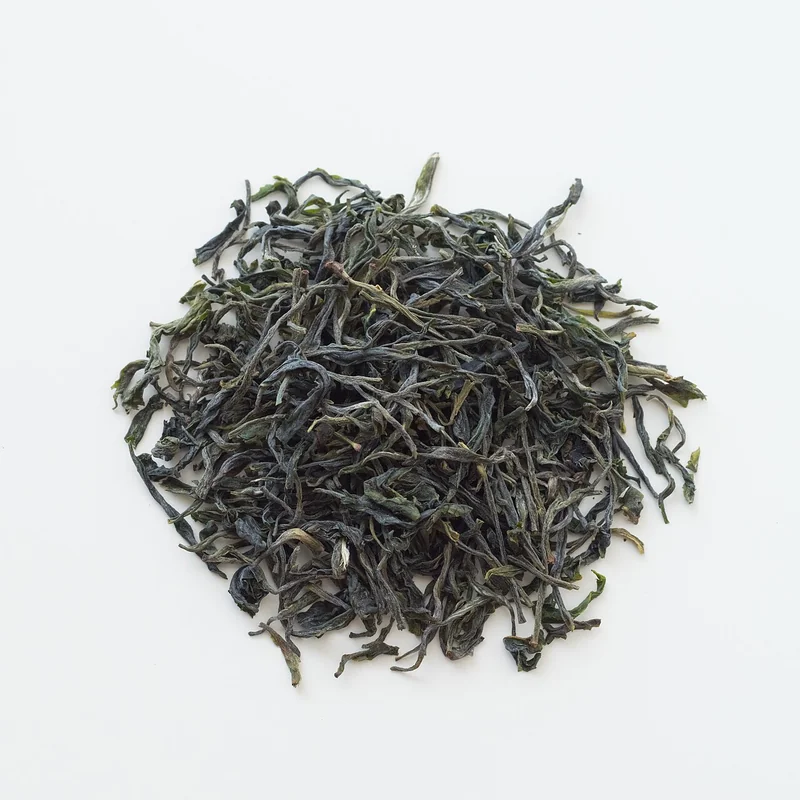
Sejak (細雀, 'slender sparrow') is the second tier of Korean handcrafted green tea, harvested after the Grain Rain solar term (Gok-u, around April 20) when the tea shoots are slightly more developed than first-flush ujeon. Korea's main tea-growing regions are Boseong in South Jeolla Province, Hadong in South Gyeongsang Province, and Jeju Island. Korean green teas are generally pan-fired (deok-o-cha tradition) or steam-fixed, producing a spectrum from grassy-nutty to more complex floral profiles. Sejak occupies the middle ground between the premium ujeon and the more accessible jaksul grades. Traditional Korean tea culture (darye) has preserved distinct processing approaches that differ from both Chinese and Japanese methods.
Quick facts
- Type
- Tea
- Origin
- South Korea (Boseong, Hadong, Jeju)
- Cultivar
- Yabukita (introduced), Korean wild varieties
- Oxidation
- Green (unoxidised)
- Caffeine
- Medium
- Umami
- Moderate, present but less intense than ujeon
- Astringency
- Light to moderate
- Sweetness
- Clean, slightly muted sweetness
- Body
- Light to medium
- Tasting notes
- roasted grain, chestnut, fresh grass, light floral
Korean Tea Grades
Korean handcrafted green tea is traditionally classified into four grades by harvest timing relative to solar terms. Ujeon (雨前, 'before Grain Rain') is the first-flush premium, harvested before April 20; the youngest buds have the most concentrated amino acids and sweetest flavour. Sejak (細雀, 'slender sparrow') is harvested from late April through early May, when leaves are slightly more open. Jungsak (中雀, 'middle sparrow') is a mid-season grade, and daejak (大雀, 'large sparrow') uses mature leaves for bulk production. The grade system reflects the traditional Korean agricultural calendar tied to the 24 solar terms (jeolgi).
Production: Pan-Firing in Korea
Traditional Korean green tea processing follows a pan-firing tradition similar to Chinese green tea but distinct from the Japanese steaming method. In the deok-o-cha (hand-rolled kettle tea) tradition associated with Hadong and Boseong, freshly harvested leaves are placed in a heated iron cauldron (gamasot) at 200–280°C. The tea worker stirs and rolls the leaves with bare hands to stop oxidation and dry the leaf. Multiple rounds of pan-firing and rolling are performed, with cooling periods between each. Some modern Korean producers have adopted a steam-fixing process more similar to Japanese sencha, producing a lighter, more delicate result. Many small artisan producers in Hadong continue handcrafted methods.
Boseong and Hadong Growing Regions
Boseong county in South Jeolla Province is South Korea's largest commercial tea-growing area, known for its rows of tea terraces on hillsides. The coastal climate, clay-rich soil, and morning fog create conditions suited to producing consistent commercial teas. Hadong county in South Gyeongsang Province, centred on the Hwagae Valley near the Jiri Mountain range, is associated with wild or semi-wild tea plants and artisan production. Hadong's teas are often described as more rustic and complex, reflecting less uniform growing conditions. Jeju Island's volcanic basalt soil and different climate produce teas with a distinct mineral character. Together these regions supply virtually all of Korea's domestic green tea.
Sources & further reading (2)
- encyclopedia — accessed 2026-05-07
- specialty-reference — accessed 2026-05-07
Frequently asked questions
What is the difference between ujeon and sejak?
Ujeon (before Grain Rain, before April 20) is the first and most prized Korean green tea grade, harvested when only the most tender first buds are available. Sejak is harvested after the Grain Rain solar term when shoots are slightly larger and more developed. Ujeon has more concentrated sweetness and umami; sejak has a slightly more balanced character with somewhat greater astringency and a broader flavour profile.
How does Korean green tea differ from Japanese sencha?
Japanese sencha is fixed by steaming (20–40 seconds), which produces a characteristic vegetal, grassy flavour and vivid green colour. Traditional Korean green tea is pan-fired in a heated iron cauldron, which produces a slightly nuttier, more roasted character similar to Chinese green teas. Some Korean producers have adopted steaming, narrowing the difference. Korean teas also use different cultivars, including Korean wild-variety plants, contributing additional flavour distinctions.
What are the main tea-growing regions of South Korea?
The three main regions are Boseong (South Jeolla Province), which is the largest commercial producer; Hadong (South Gyeongsang Province), associated with artisan and semi-wild production; and Jeju Island, which produces teas with a distinctive mineral character from volcanic basalt soils. Smaller quantities are also produced in areas of North Jeolla Province.