Ginger Tisane
An infusion of Zingiber officinale rhizome — warming and pungent, from Chinese kitchens to Indian masala chai.
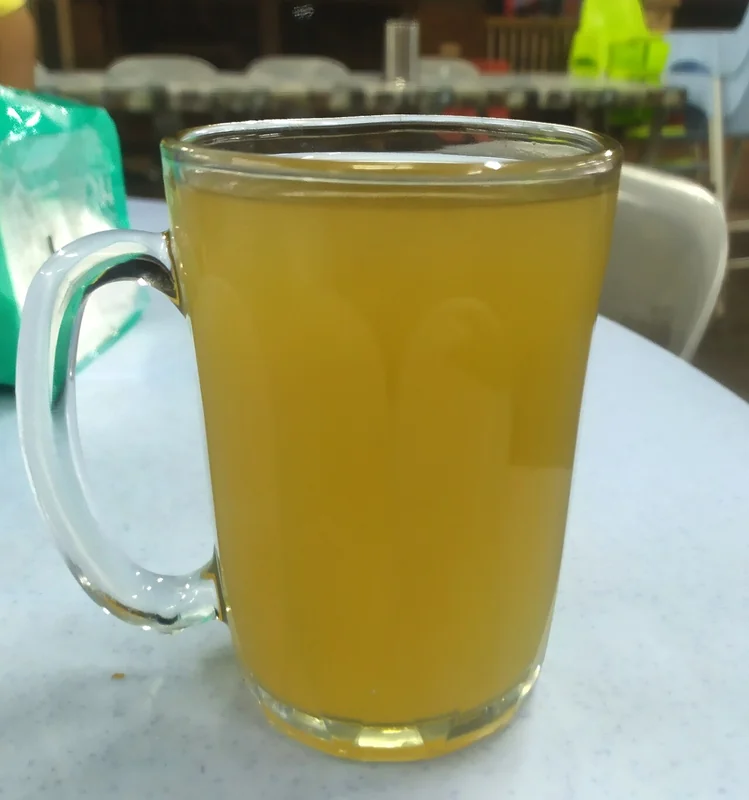
Ginger tisane is produced by steeping fresh or dried rhizome of Zingiber officinale (common ginger) in hot water. Zingiber officinale is a perennial herbaceous plant in the Zingiberaceae family, cultivated throughout tropical Asia, with major production in India (the world's largest producer), China, Nigeria, Nepal, Indonesia, and Thailand. The rhizome contains gingerols (in fresh ginger) and shogaols (in dried or cooked ginger), along with zingerone and paradols, which contribute the characteristic pungent, spicy, warming flavour. Ginger tisane is consumed across many cultures — as an ingredient in Indian masala chai, as a standalone infusion, in lemon-ginger blends, and in traditional Korean ginger tea (saenggang cha). It contains no caffeine.
Quick facts
- Type
- Herbal Infusion
- Origin
- South/Southeast Asia, cultivated worldwide (India, China, Nigeria, Indonesia)
- Caffeine
- Caffeine-free
- Astringency
- Low
- Sweetness
- Slight warmth with no direct sweetness unless honey added
- Body
- Light to medium
- Tasting notes
- pungent spice, lemon-citrus undertone, warm pepper, earthy
Zingiber officinale: The Rhizome
Ginger (Zingiber officinale Roscoe) is a perennial herb growing 60–120 cm tall. The part used for tisane is the rhizome — the horizontal underground stem that stores nutrients. The rhizome is harvested at 8–12 months for fresh ginger (more mild, juicy) or dried in the sun for dried ginger (more concentrated, more shogaol-dominant). The pungency of ginger comes from gingerols in fresh ginger and their dehydration products, shogaols, which form when ginger is dried or heated. Shogaols are approximately twice as pungent as gingerols. Dried ginger powder has a more intensely hot, less fresh character than fresh ginger infusions.
Preparation Methods
Ginger tisane is prepared in several ways. Fresh ginger is sliced thinly or grated and steeped in near-boiling water (90–100°C) for 5–15 minutes, with longer times producing more pungency. Dried ginger pieces or powder are similarly steeped but require slightly less quantity due to higher concentration. In Korean saenggang cha (생강차), fresh ginger is simmered with sugar or honey to create a concentrated syrup that is diluted with hot water. In Indian masala chai, ginger is simmered with black tea, milk, and spices including cardamom, cinnamon, and cloves. Lemon and honey are common additions that balance the pungency. Ginger is also cold-brewed and mixed with lemon juice for a non-hot preparation.
Global Cultivation and Trade
India is the world's largest ginger producer, accounting for approximately 32–35 percent of global production, primarily from Kerala, Meghalaya, Orissa, and Assam states. China, Nigeria, Indonesia, Nepal, and Thailand are also major producers. Global annual production exceeds 4 million tonnes. India dominates the dried ginger powder market for export; China supplies significant quantities of fresh ginger to Southeast Asian and European markets. Nigeria has grown as a major supplier to Europe following quality improvements. Jamaica historically produced a premium dried ginger variety (Jamaican ginger) valued in the British market, though volume is now very limited.
Sources & further reading (2)
- encyclopedia — accessed 2026-05-07
- encyclopedia — accessed 2026-05-07
Frequently asked questions
What is the difference between fresh and dried ginger tisane?
Fresh ginger contains gingerols — compounds that produce a bright, slightly citrusy warmth and freshness. Dried ginger has a higher proportion of shogaols — dehydration products of gingerols that are approximately twice as pungent, with a more intense, sharp, less fresh heat. Fresh ginger tisane tastes brighter and more aromatic; dried ginger is more concentrated and pungent. Both are typically steeped in hot water, but fresh ginger takes longer to extract (10–15 minutes) than dried.
Why is ginger often combined with lemon in tisanes?
Ginger's warming pungency is balanced by lemon juice's tartness and citrus brightness. Lemon's citric acid cuts through the spice intensity and adds a refreshing dimension. Honey further rounds the combination by adding sweetness. The combination of ginger, lemon, and honey is among the most popular herbal infusion combinations globally, valued for its complementary flavour profile.
Is ginger a tea?
No. Ginger tisane is botanically unrelated to Camellia sinensis and is therefore correctly classified as a herbal tisane or herbal infusion, not tea. 'Tea' in the strict sense refers to infusions from Camellia sinensis leaves. However, in everyday commercial and culinary usage, ginger is frequently sold as 'ginger tea,' particularly in teabag formats. It contains no caffeine.