Earl Grey
A black tea scented with oil of bergamot — the citrus-floral aroma that defines one of the world's most recognised teas.
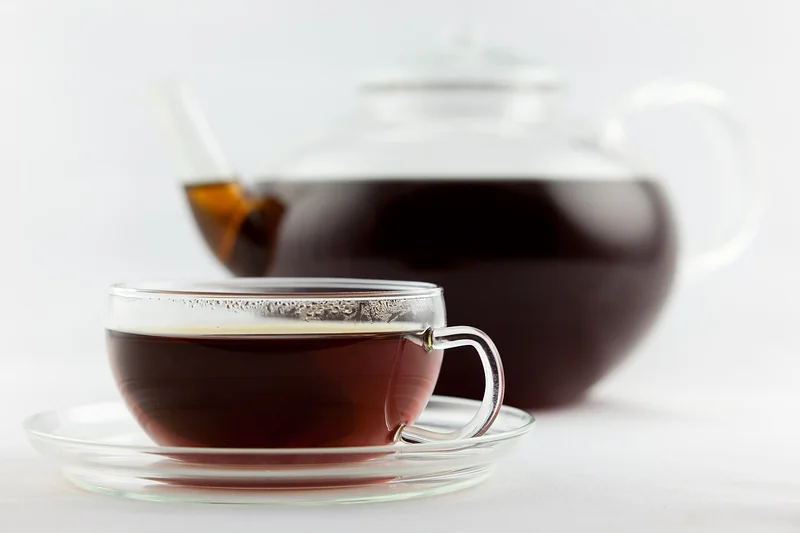
Earl Grey is a flavoured tea blend made by applying oil of bergamot — extracted from the rind of the bergamot orange (Citrus bergamia), a citrus fruit grown primarily in Calabria, Italy — to a base of black tea, typically Chinese, Indian, or Ceylonese. The bergamot application gives the tea its distinctive floral-citrus aroma. The name derives from Charles Grey, the 2nd Earl Grey and British Prime Minister from 1830 to 1834, though the attribution story is disputed and unverified by contemporary documentary evidence. Earl Grey is one of the most commercially important flavoured teas globally, produced in many variants including green earl grey, rooibos earl grey, and 'Lady Grey' (with added citrus).
Quick facts
- Type
- Tea
- Origin
- England (origin); bergamot from Calabria, Italy; base leaf typically China or India
- Oxidation
- Black (full)
- Caffeine
- Medium
- Astringency
- Moderate, dependent on base tea
- Sweetness
- Light, citrus-floral sweetness from bergamot
- Body
- Medium
- Tasting notes
- bergamot citrus, lavender, Earl Grey characteristic floral, black tea malt
Bergamot and Its Application
Bergamot oil is extracted by cold-pressing the rind of the bergamot orange (Citrus bergamia), a hybrid citrus cultivated primarily along the coastal strip of Calabria in southern Italy. Over 90 percent of the world's bergamot crop is used in Earl Grey tea production, with the remainder used in perfumery (notably in Eau de Cologne). The oil is highly aromatic — its main compounds include linalool, linalyl acetate, and beta-pinene. Commercial Earl Grey is produced by spraying or tumbling the base tea leaves with bergamot oil or flavouring. High-quality versions use natural bergamot oil; mass-market products may use synthetic bergamot flavouring.
Attribution and History
The popular story attributes Earl Grey tea to Charles Grey, the 2nd Earl Grey (1764–1845), who is said to have received the recipe from a Chinese mandarin whose life was saved by one of Grey's envoys, or alternatively to have had the blend created to suit the local water at Howick Hall, his Northumberland estate. Neither account is supported by contemporary documentation, and the precise origin of the blend remains unconfirmed. The earliest documented commercial use of the 'Earl Grey' name dates to the 1880s, decades after the 2nd Earl's death. Twining's and Fortnum & Mason both claim to have been the first commercial producers. The name is not registered as a protected designation, and any black tea with bergamot can legally be called Earl Grey.
Modern Variants
The original black-tea bergamot formula has spawned numerous variants. 'Lady Grey,' a trademarked Twining's product, adds Seville orange and lemon peel to a lighter Chinese black tea base. 'Russian Earl Grey' typically adds lemon, lemongrass, or currant leaf alongside bergamot. Green Earl Grey substitutes green tea for black. 'London Fog' is a popular beverage preparation of Earl Grey steeped strongly, combined with steamed milk and vanilla — a drink that originated in Vancouver, Canada, in the 1990s. Rooibos-based Earl Grey produces a caffeine-free version. Premium loose-leaf Earl Greys often add dried cornflower petals for visual appeal, which do not significantly affect flavour.
Sources & further reading (2)
- encyclopedia — accessed 2026-05-07
- manufacturer-history — accessed 2026-05-07
Frequently asked questions
What is bergamot and why is it used in Earl Grey?
Bergamot orange (Citrus bergamia) is a citrus fruit grown primarily in Calabria, Italy, prized for the fragrant oil in its rind. The oil contains linalool and linalyl acetate, compounds that give Earl Grey its distinctive floral-citrus character. Over 90 percent of global bergamot production is used for Earl Grey tea; the remainder goes to perfumery. The combination of bergamot's bright citrus with black tea's tannin creates the recognisable balance the blend is known for.
Is there a definitive origin story for Earl Grey?
No. Multiple competing stories attribute the tea to Charles Grey, the 2nd Earl Grey (British Prime Minister 1830–1834), but none is supported by contemporary documentation. The earliest known commercial use of the 'Earl Grey' name dates to the 1880s, decades after the Earl's death. Twining's and Fortnum & Mason both claim early commercial production. The name is unregistered, so any bergamot-flavoured black tea can legally use it.
What is the difference between Earl Grey and Lady Grey?
Lady Grey is a trademarked product by Twining's featuring a lighter Chinese black tea base with bergamot plus added Seville orange peel and lemon peel. The lighter base and additional citrus elements make it milder and less astringent than standard Earl Grey. The 'Lady Grey' name is Twining's trademark; other companies produce bergamot-with-citrus blends under different names.