Pilea involucrata
Pilea involucrata (Friendship Plant) Care Guide
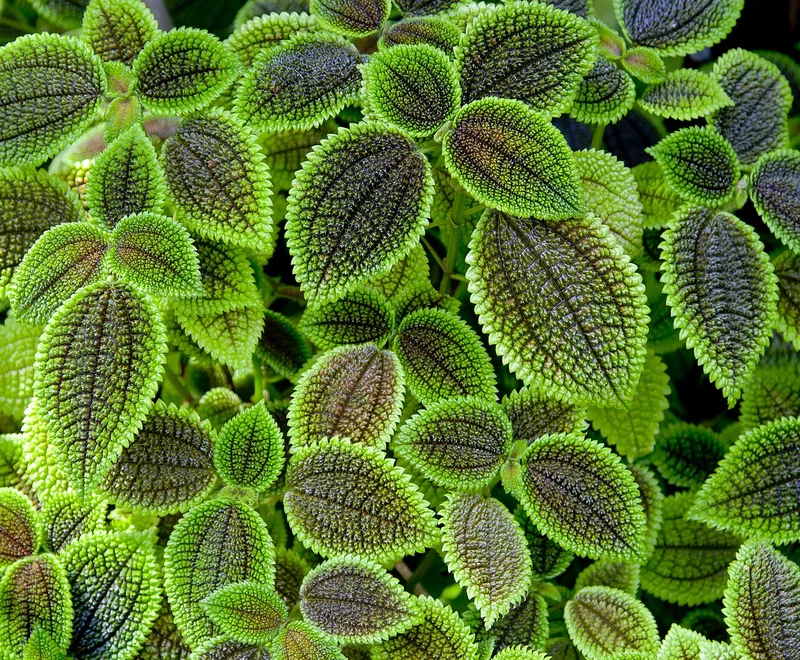 Featured photopilea-involucrata.jpg
Pilea involucrata is the original friendship plant, a South American pilea with deeply quilted, bronze-green leaves that have a velvety texture. Many cultivars exist — Norfolk, Moon Valley (often listed as P. mollis), Silver Tree — varying in leaf colour and texture. It is fast and easy in average rooms and earned its name from being passed around as cuttings between gardeners.
Care facts at a glance
- Light
- Bright indirect
- Water
- Water when the top 2 cm of mix has dried.
- Humidity
- 50–70 %
- Temperature
- 18–27 °C
- Soil
- Well-draining houseplant mix with perlite.
- Origin
- Tropical Central and South America.
- Mature size
- 20 to 30 cm tall, spreading.
Overview
Pilea involucrata is closely related to Pilea mollis (Moon Valley) and the two are often confused in trade. Both share the deeply textured leaves and friendship-plant nickname.
Care Priorities
- Bright filtered light keeps growth compact.
- Pinch back regularly to maintain the bush form.
- Take cuttings every 18 months as insurance.
- Avoid wetting leaves to prevent fungal spots.
Common Problems
Long bare stems are leggy growth. Yellow leaves are overwatering. Crispy edges are dry air.
Sources & further reading (2)
- encyclopedia — accessed 2026-04-28
- botanical-garden — accessed 2026-04-28
Frequently asked questions
Involucrata or mollis?
Both are friendship plants and share care. Involucrata has slightly smaller, more bronze-toned leaves; mollis (Moon Valley) has larger, brighter chartreuse leaves.
Why is it called friendship plant?
Because it propagates so easily from cuttings that gardeners traditionally pass clippings to friends.
How long do plants last?
Most growers refresh from cuttings every 2 to 3 years; older plants tend to decline regardless of care.