Philodendron rugosum
Philodendron rugosum Care Guide: Pigskin Philodendron
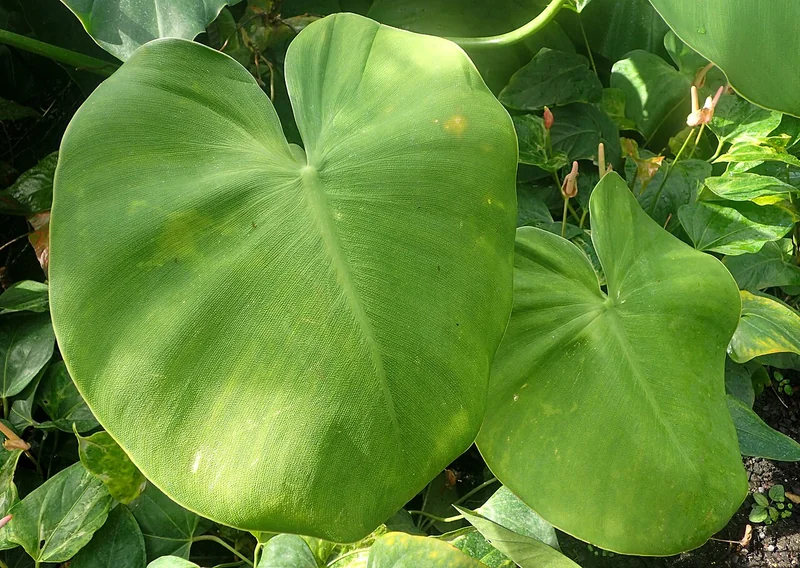 Featured photophilodendron-rugosum.jpg
The Philodendron rugosum, often called the Pigskin Philodendron, is a unique tropical plant known for its deeply textured, leathery leaves. Native to Ecuador, it makes a striking houseplant. This guide will help you understand its specific needs, from light and water to soil and humidity. With proper care, this plant can thrive and become a focal point in your indoor garden.
Care facts at a glance
- Light
- Bright indirect
- Water
- Water thoroughly when the top 1-2 inches of soil feel dry to the touch, allowing excess water to drain away.
- Humidity
- 60–80 %
- Temperature
- 18–29 °C
- Soil
- A well-draining, airy potting mix is ideal, such as a blend of peat moss, perlite, and orchid bark. This helps prevent waterlogging and promotes healthy root growth.
- Origin
- Native to the cloud forests of Ecuador, where it grows as an epiphyte or hemiepiphyte.
- Mature size
- Indoors, it typically reaches 2-4 feet (60-120 cm) tall and wide, though it can grow larger in ideal conditions.
Overview
The Philodendron rugosum, affectionately known as the Pigskin Philodendron, stands out with its uniquely textured, leathery leaves that resemble pigskin. This striking plant is native to the humid cloud forests of Ecuador. It can grow as an epiphyte, clinging to trees, or as a hemiepiphyte, starting on the ground and climbing. Its robust appearance makes it a captivating addition to any indoor plant collection.
Care Priorities
To ensure your Philodendron rugosum thrives, focus on providing consistent care.
- Light: Bright, indirect light is crucial for vibrant foliage.
- Water: Allow the topsoil to dry out between waterings to prevent root issues.
- Humidity: High humidity mimics its natural habitat and keeps leaves healthy.
- Soil: Use a well-draining, aerated potting mix.
- Temperature: Maintain warm, stable temperatures, avoiding cold drafts.
Common Problems
Overwatering is a frequent issue, leading to root rot and yellowing leaves. Ensure proper drainage and let the soil dry out between waterings. Pests like spider mites and mealybugs can sometimes appear; inspect your plant regularly and treat promptly with insecticidal soap. Insufficient humidity can cause crispy leaf edges, so consider a humidifier or pebble tray.
Sources & further reading (2)
- encyclopedia — accessed 2026-04-24
- dataset — accessed 2026-04-24
Frequently asked questions
Why are my Philodendron rugosum leaves turning yellow?
Yellowing leaves often indicate overwatering or poor drainage, which can lead to root rot. Ensure the soil dries out between waterings and that your pot has drainage holes. It can also be a sign of nutrient deficiency or too little light.
How do I make my Pigskin Philodendron's leaves more textured?
The unique texture of Philodendron rugosum leaves is natural to the plant. To encourage healthy, robust foliage, provide optimal conditions: bright, indirect light, consistent watering, high humidity, and appropriate fertilization during the growing season. Healthy plants will display their characteristic texture best.
Is Philodendron rugosum a climbing plant?
Yes, Philodendron rugosum is a hemiepiphyte, meaning it can start life on the ground and then climb trees using aerial roots. Indoors, it will appreciate a moss pole or other support structure to climb, which can encourage larger leaf growth and a more natural growth habit.
What kind of light is best for Philodendron rugosum?
Bright, indirect light is ideal for Philodendron rugosum. This means a spot near a window that receives plenty of light but is shielded from direct, harsh sunlight, which can scorch its leaves. An east or north-facing window, or a few feet back from a south or west-facing window, usually works well.
How often should I fertilize my Pigskin Philodendron?
Fertilize your Philodendron rugosum every 2-4 weeks during its active growing season (spring and summer) using a balanced liquid houseplant fertilizer diluted to half strength. Reduce or stop fertilizing entirely during the fall and winter months when the plant's growth slows down.