Canis lupus familiaris
Skye Terrier
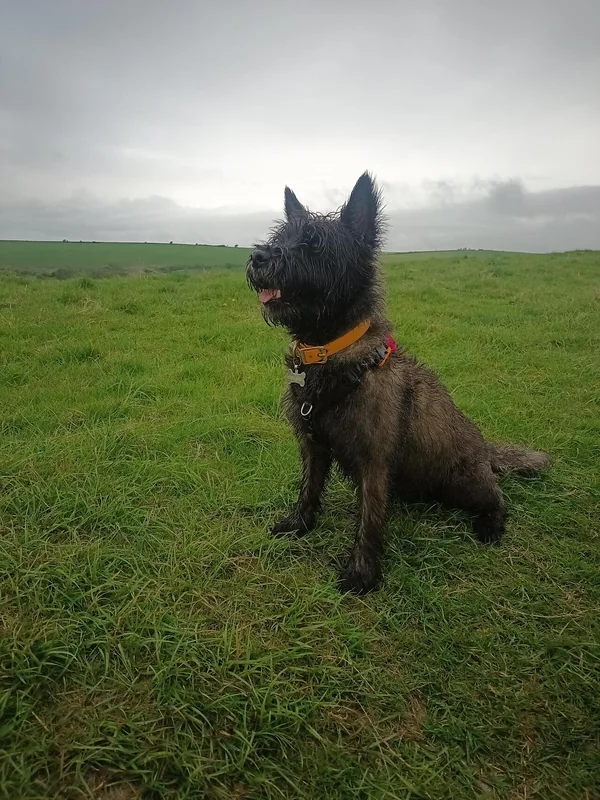
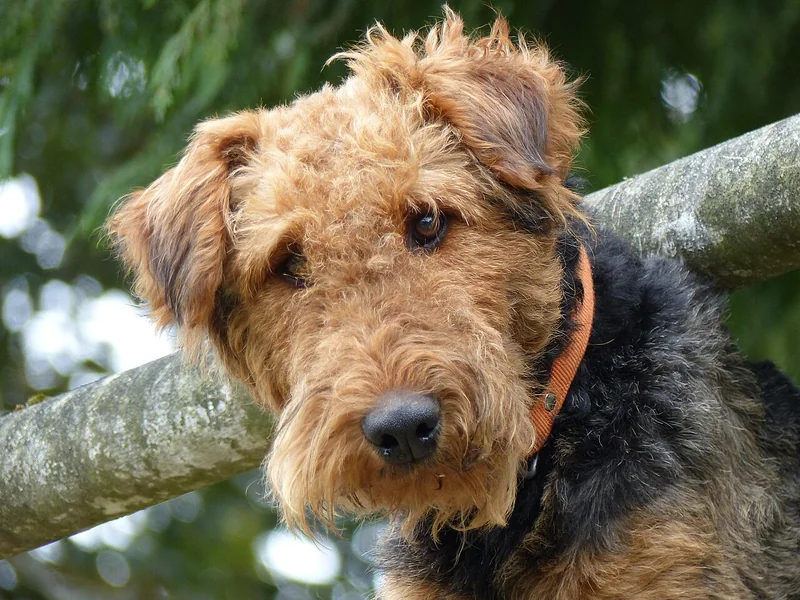
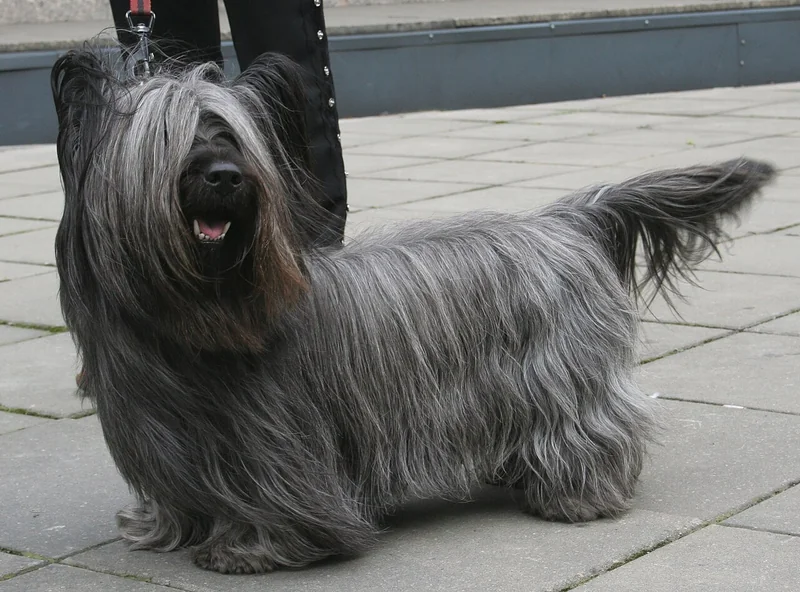 Featured photoskye-terrier.jpg
The Skye Terrier is a 16th-century Isle of Skye working terrier — the breed of the Edinburgh Greyfriars Bobby. The Skye Terrier was developed in the 16th century on the Isle of Skye in the Scottish Inner Hebrides, originally as a working terrier hunting fox, badger, and otter through the rocky cairns of the island.
Quick facts
- AKC group
- Terrier
- Origin country
- Scotland (Isle of Skye)
- Origin period
- 16th century (formalized 1875)
- Coat type
- Long
- Coat colors
- Black, Blue, Dark or Light Grey, Silver Platinum, Fawn, Cream — all with the breed's required black ear tips, muzzle, and tail tip
- Average lifespan
- 12-15 years
- Recognition
- AKC 1887 · FCI 1955 · UKC 1948 · Group 3 — Terriers (Section 2: Small-sized Terriers)
Origin
The Skye Terrier was developed in the 16th century on the Isle of Skye in the Scottish Inner Hebrides, originally as a working terrier hunting fox, badger, and otter through the rocky cairns of the island. The breed reached its peak of popularity in 19th-century Britain — Queen Victoria kept several from 1840 — and was the most fashionable lap-dog of the late-Victorian English aristocracy. The breed gained worldwide fame as Greyfriars Bobby — the Skye Terrier who, according to Edinburgh tradition, kept watch at his owner John Gray's grave in Greyfriars Kirkyard for 14 years until his own death in 1872. The Kennel Club registered the breed in 1875 and the AKC followed in 1887.
Recognition
The American Kennel Club admitted the breed in 1887, the United Kennel Club followed in 1948, and the Federation Cynologique Internationale published the international standard (FCI No. 75) in 1955. The FCI assigns the breed to Group 3 — Terriers (Section 2: Small-sized Terriers).
Standard
The AKC and FCI standards describe a long, low, level dog twice as long as it is high, with the long, hard, straight outer coat falling free on either side of a centre-parting from the head along the back to the tail. The defining feature is the coat: long, hard, straight, and flat, with abundant feathering on the head completely covering the eyes. Either prick or drop ears are accepted under the breed standard. Recognized colours are black, blue, dark-or-light-grey, silver-platinum, fawn, and cream — all with the breed's required black ear tips, muzzle, and tail tip.
Sources & further reading (3)
- kennel-club-registry — accessed 2026-04-30
- encyclopedia — accessed 2026-04-30
- fci-standard — accessed 2026-04-30
Frequently asked questions
What is the Skye Terrier's AKC group?
The American Kennel Club places the Skye Terrier in the Terrier Group. The Terrier Group gathers breeds developed to hunt and dispatch vermin or to go to ground after fox and badger; the name derives from the Latin terra ('earth'). The breed's foundation working role was as a 16th-century Isle of Skye working terrier — the breed of the Edinburgh Greyfriars Bobby.
When was the Skye Terrier officially recognized?
The American Kennel Club admitted the breed in 1887; the United Kennel Club followed in 1948; the Federation Cynologique Internationale published the international standard (FCI No. 75) in 1955.
What is the average lifespan of a Skye Terrier?
Kennel-club longevity surveys place the Skye Terrier's average lifespan in the 12-15 years range. The figure here represents the spread reported by the major parent-club studies and the Kennel Club (UK) purebred-dog health surveys.