Canis lupus familiaris
Schipperke
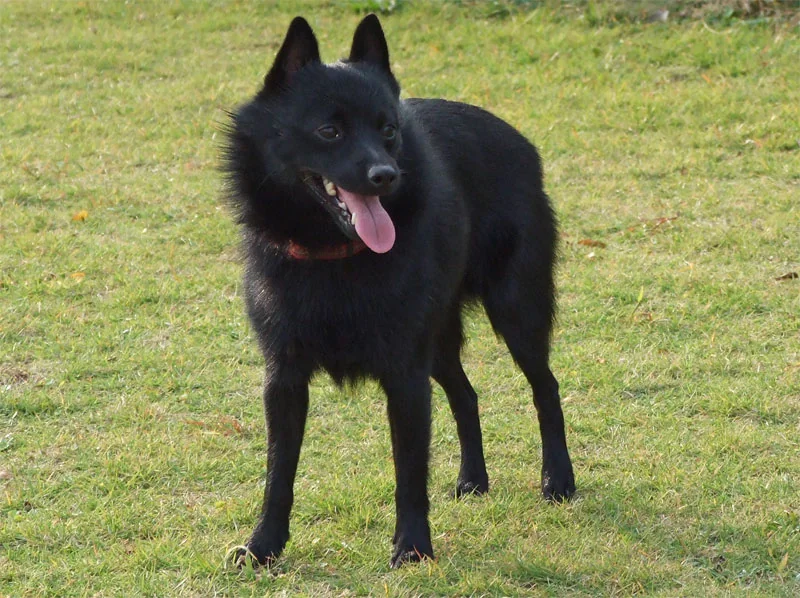 Featured photoschipperke.jpg
The Schipperke is a 17th-century Flemish 'little captain' canal-barge ratter and watchdog. The Schipperke is a small Belgian Spitz-type breed developed in 17th-century Flanders as a barge dog (Dutch schipperke means 'little boatman' or 'little captain') used to dispatch rats on the canal barges of the Flemish trade routes.
Quick facts
- AKC group
- Non-Sporting
- Origin country
- Belgium (Flanders)
- Origin period
- 17th century (formalized 1888)
- Coat type
- Double
- Coat colors
- Black
- Average lifespan
- 12-16 years
- Recognition
- AKC 1904 · FCI 1957 · UKC 1948 · Group 1 — Sheepdogs and Cattledogs (Section 1: Sheepdogs)
Origin
The Schipperke is a small Belgian Spitz-type breed developed in 17th-century Flanders. The breed name is the Dutch schipperke meaning 'little boatman' or 'little captain', after the breed's traditional working role as a barge dog: kept on the canal barges of the Flemish trade routes (Brussels–Antwerp–Ghent canal system) to dispatch rats, sound the alarm at intruders, and act as the bargeman's small companion. The breed shares ancestry with the Belgian Sheepdog (Groenendael) — both descend from the same medieval Flemish black sheepdog landrace, the Leuvenaar — and the Schipperke is essentially a miniaturized version of that landrace with a docked or naturally-bobbed tail. The Royal Schipperke Club of Belgium was founded in 1888 and the AKC admitted the breed in 1904.
Recognition
The American Kennel Club admitted the breed in 1904, the United Kennel Club followed in 1948, and the Federation Cynologique Internationale published the international standard (FCI No. 83) in 1957. The FCI assigns the breed to Group 1 — Sheepdogs and Cattledogs (Section 1: Sheepdogs).
Standard
The AKC and FCI standards describe a small, thickset, cobby, black, tailless dog with a fox-like face and a unique coat pattern — the defining features are the cobby short body, the small, sharp foxy face with small triangular pricked ears, and the unique 'collar' (a pronounced ruff of longer hair around the neck and shoulders), 'jabot' (longer hair on the chest and forelegs), and 'culottes' (longer hair on the rear of the thighs). The double coat is dense, with a soft fluffy undercoat under a harsh, straight outer coat. Solid black is the only AKC-recognized colour; FCI also accepts other solid colours but black is by far the most common.
Sources & further reading (3)
- kennel-club-registry — accessed 2026-04-30
- encyclopedia — accessed 2026-04-30
- fci-standard — accessed 2026-04-30
Frequently asked questions
What is the Schipperke's AKC group?
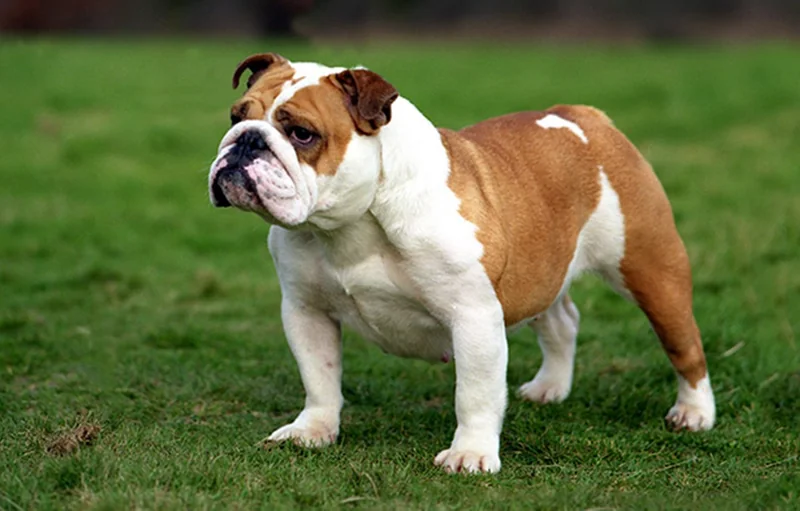
The American Kennel Club places the Schipperke in the Non-Sporting Group. The Non-Sporting Group is the AKC's residual category for breeds whose modern role does not fit the older Sporting / Hound / Working / Terrier / Toy / Herding rubrics; the Bulldog, Dalmatian, and Poodle sit here. The breed's foundation working role was as a 17th-century Flemish 'little captain' canal-barge ratter and watchdog.
When was the Schipperke officially recognized?
The American Kennel Club admitted the breed in 1904; the United Kennel Club followed in 1948; the Federation Cynologique Internationale published the international standard (FCI No. 83) in 1957.
What is the average lifespan of a Schipperke?
Kennel-club longevity surveys place the Schipperke's average lifespan in the 12-16 years range. The figure here represents the spread reported by the major parent-club studies and the Kennel Club (UK) purebred-dog health surveys.