Canis lupus familiaris
Berger Picard
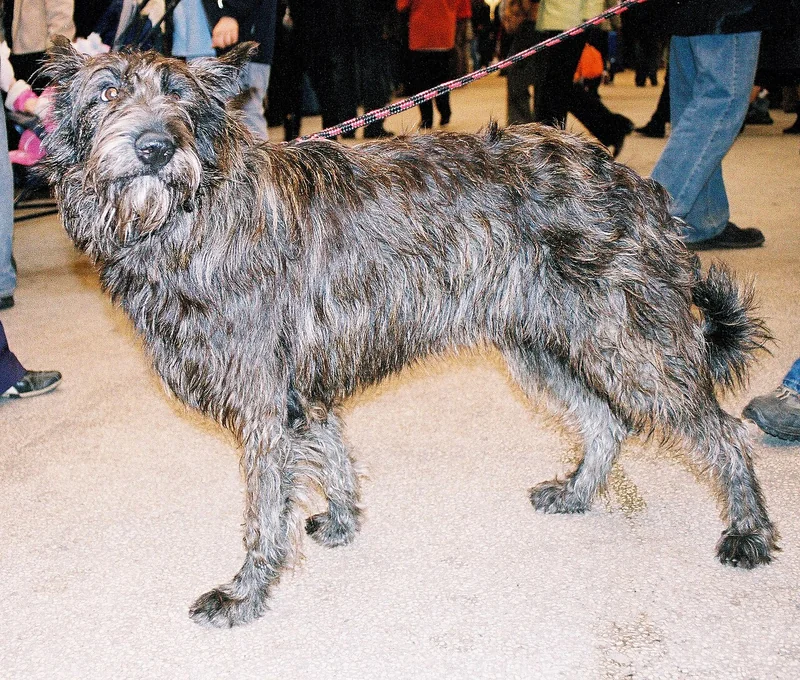 Featured photoberger-picard.jpg
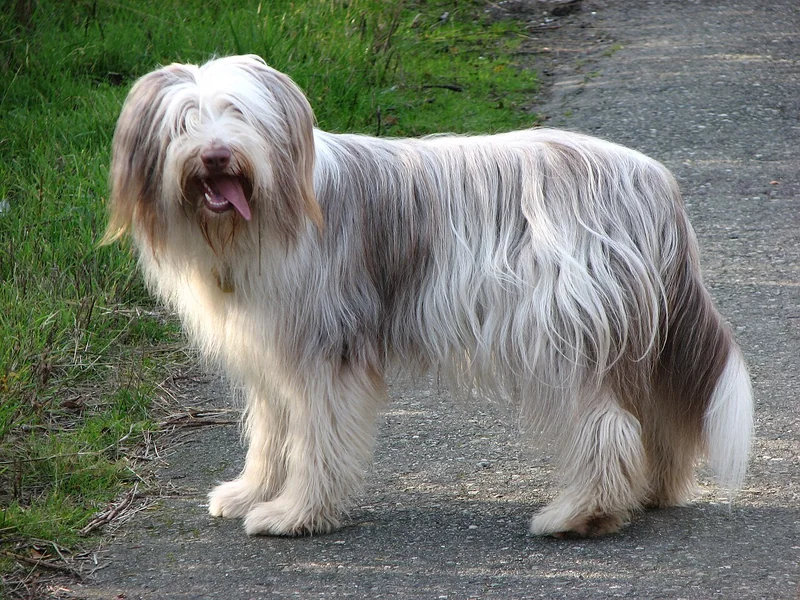
The Berger Picard is a Picardy-region French sheep-and-cattle herder, rebuilt after WWI and WWII Picardy battlefield losses. The Berger Picard takes its name from the Picardy region of northern France, where the breed has been used as a sheep- and cattle-driving dog since at least the 9th century — possibly arriving with the Frankish Celts during the second wave of European migrations.
Quick facts
- AKC group
- Herding
- Origin country
- France (Picardy)
- Origin period
- 9th century (formalized 1925)
- Coat type
- Wirehaired
- Coat colors
- Fawn, Brindle (any combination of grey, black, fawn, with darker overlay)
- Average lifespan
- 13-14 years
- Recognition
- AKC 2015 · FCI 1955 · UKC 2007 · Group 1 — Sheepdogs and Cattledogs (Section 1: Sheepdogs)
Origin
The Berger Picard (English: Picardy Sheepdog) takes its name from the Picardy region of northern France, where the breed has been used as a sheep- and cattle-driving dog since at least the 9th century — possibly arriving with the Frankish Celts during the second wave of European migrations of the 4th-9th centuries. The breed nearly went extinct after the First and Second World Wars, both of which were fought largely across Picardy and decimated the rural French dog population; in 1945 fewer than 30 Berger Picards survived. The breed was rebuilt from this small foundation by Robert Montenot of the Club des Amis du Berger Picard from 1947 onward. The FCI standard was first published in 1955 and the AKC admitted the breed in 2015 — making it one of the most recently-recognized AKC herding breeds.
Recognition
The American Kennel Club admitted the breed in 2015, the United Kennel Club followed in 2007, and the Federation Cynologique Internationale published the international standard (FCI No. 176) in 1955. The FCI assigns the breed to Group 1 — Sheepdogs and Cattledogs (Section 1: Sheepdogs).
Standard
The AKC and FCI standards describe a medium-sized, well-muscled, well-balanced, rustic-appearing herding dog of medium build, with a calm, confident, intelligent expression and the breed's typical mischievous 'smile' on the muzzle. The defining feature is the harsh, crisp, weather-resistant double coat about 5-6 cm long, with shaggy beard, moustache, and bushy eyebrows. Recognized colours: fawn (any shade) and brindle (any combination of grey, black, fawn, with darker overlay). Males stand 60-65 cm at the withers, females 55-60 cm.
Sources & further reading (3)
- kennel-club-registry — accessed 2026-04-30
- encyclopedia — accessed 2026-04-30
- fci-standard — accessed 2026-04-30
Frequently asked questions
What is the Berger Picard's AKC group?
The American Kennel Club places the Berger Picard in the Herding Group. The Herding Group, carved out of the older Working Group in 1983, gathers breeds developed to control the movement of livestock — Border Collies, Australian Shepherds, Welsh Corgis, and the German Shepherd among them. The breed's foundation working role was as a Picardy-region French sheep-and-cattle herder, rebuilt after WWI and WWII Picardy battlefield losses.
When was the Berger Picard officially recognized?
The American Kennel Club admitted the breed in 2015; the United Kennel Club followed in 2007; the Federation Cynologique Internationale published the international standard (FCI No. 176) in 1955.
What is the average lifespan of a Berger Picard?
Kennel-club longevity surveys place the Berger Picard's average lifespan in the 13-14 years range. The figure here represents the spread reported by the major parent-club studies and the Kennel Club (UK) purebred-dog health surveys.