Canis lupus familiaris
Australian Terrier
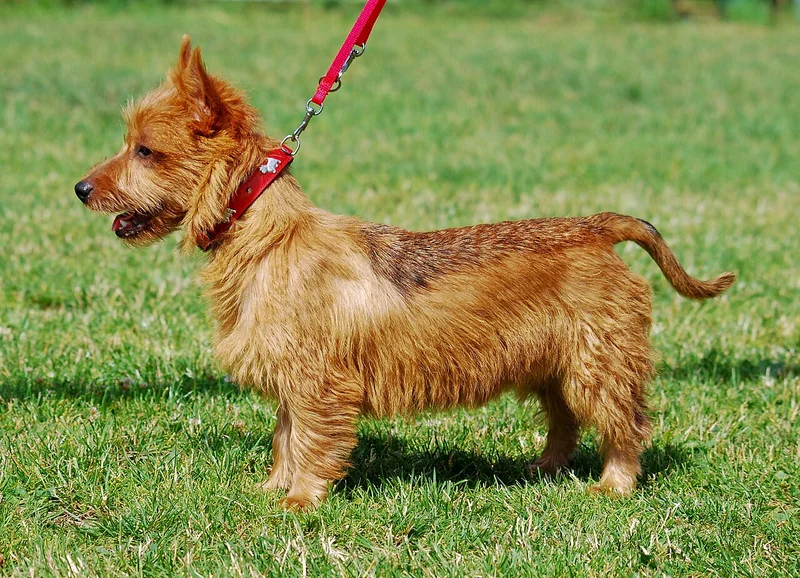 Featured photoaustralian-terrier.jpg
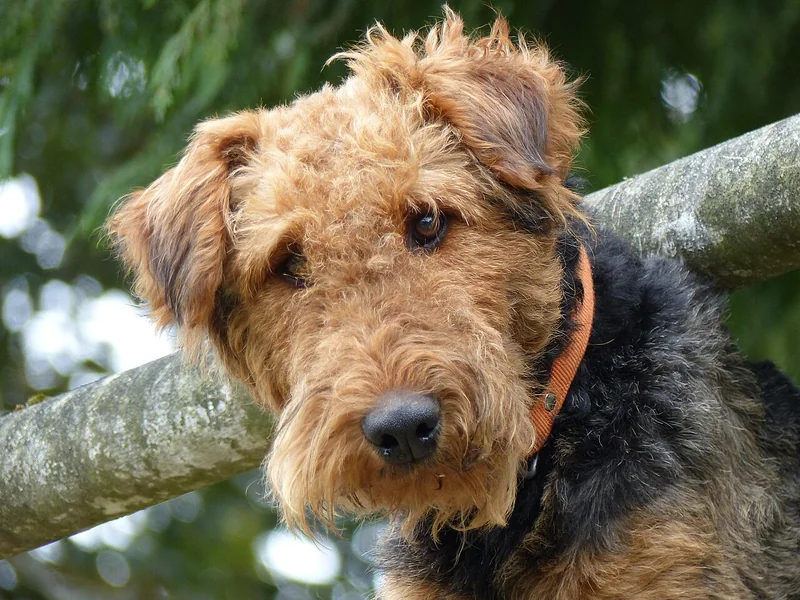
The Australian Terrier is a small, sturdy, rough-coated terrier developed in Australia during the 19th century — one of the smallest working terriers in the world and the first Australian breed recognised internationally. Descended from British terriers including the Rough-Coated Terrier, Dandie Dinmont, and Yorkshire Terrier brought by colonial settlers, it was developed to control rodents, snakes, and rabbits on Australian farms. The AKC recognised it in 1960. Males stand 24–28 cm and weigh 5–7 kg.
Quick facts
- AKC group
- Terrier
- Origin country
- Australia
- Origin period
- Mid-19th century
- Coat type
- Wirehaired
- Coat colors
- Blue and Tan, Sandy, Red
- Average lifespan
- 11-15 years
- Recognition
- AKC 1960 · FCI 1954 · UKC 1960 · Group 3 — Terriers (Section 2: Small-sized Terriers)
Origin
The Australian Terrier was developed in Australia from the mid-19th century onward by crossing multiple British terrier breeds brought by colonial settlers. The primary foundation was the Rough-Coated Terrier, a now-extinct ancestor of the Cairn, Skye, and Yorkshire Terriers, crossed with the Dandie Dinmont, Yorkshire Terrier, and possibly the Norwich Terrier and Black and Tan Terrier. Australian farmers and station hands needed a dog tough enough to face the extreme climate of the outback, control vermin, and kill snakes — the Australian Terrier's low build, fearless nature, and rough coat suited these demands. The breed was first shown in Melbourne in 1868 as the Rough-Coated Terrier.
Recognition
The Australian Rough-Coated Terrier Club was founded in Melbourne in 1887. The breed's name was simplified to Australian Terrier in the early 20th century. The Kennel Club (UK) recognised the Australian Terrier in 1933 as the first Australian dog breed to receive international recognition. The FCI (FCI No. 8) recognised it in 1954. The AKC followed in 1960, placing it in the Terrier Group. The Australian National Kennel Council manages the breed standard in Australia.
Standard
The AKC and FCI standards describe a small, low-set, strongly built terrier, long in proportion to height, with a soft, silky topknot of hair on the skull and a hard, straight outer coat approximately 6 cm long on the body. Accepted colours are blue and tan (blue-grey with tan on the face, ears, legs, and feet) and clear sandy or red (without shading). The dark eyes and erect ears give the breed an alert, keen expression. Males stand 24–28 cm and weigh 5–7 kg; females are slightly smaller.
Sources & further reading (3)
- kennel-club-registry — accessed 2026-05-07
- encyclopedia — accessed 2026-05-07
- fci-standard — accessed 2026-05-07
Frequently asked questions
What AKC group does the Australian Terrier belong to?
The AKC places the Australian Terrier in the Terrier Group. Like all terriers, the breed was developed for earthwork and vermin control; the Australian Terrier was specifically adapted for Australian conditions, where its targets included rats, rabbits, and the notoriously dangerous tiger snake. It is one of the smallest working terriers in the AKC.
What makes the Australian Terrier the first Australian breed?
The Australian Terrier was the first dog breed developed in Australia to receive formal recognition by an overseas kennel club — the Kennel Club (UK) in 1933. While there are older Aboriginal dog types in Australia (the Dingo and related dogs), the Australian Terrier was the first purpose-bred colonial breed from Australia to be registered and shown internationally, predating other Australian breeds such as the Australian Cattle Dog in terms of international recognition.
When was the Australian Terrier recognised by the AKC?
The AKC recognised the Australian Terrier in 1960, placing it in the Terrier Group. The breed had already been recognised by the Kennel Club (UK) in 1933 and the FCI in 1954 (FCI No. 8). In Australia, the breed is governed by the Australian National Kennel Council, which maintains the national breed standard.