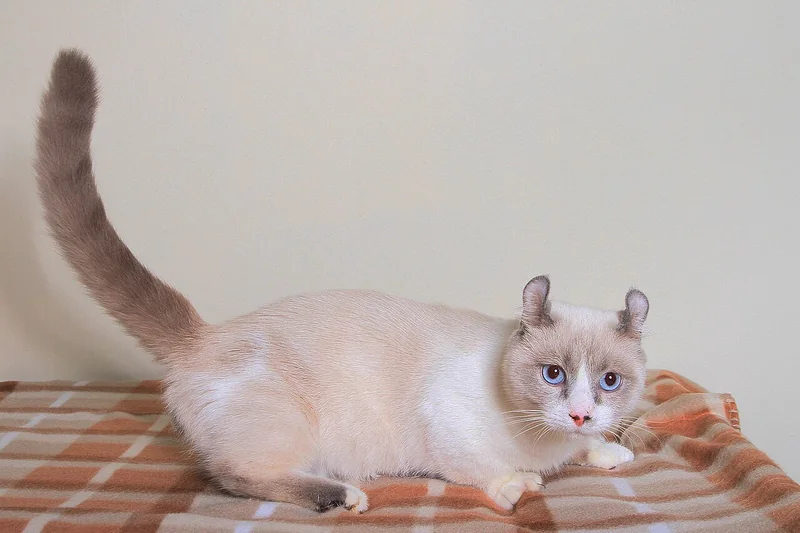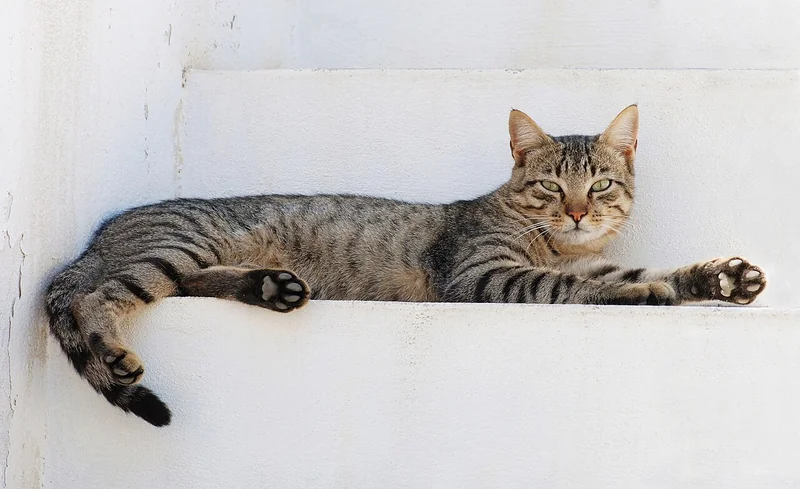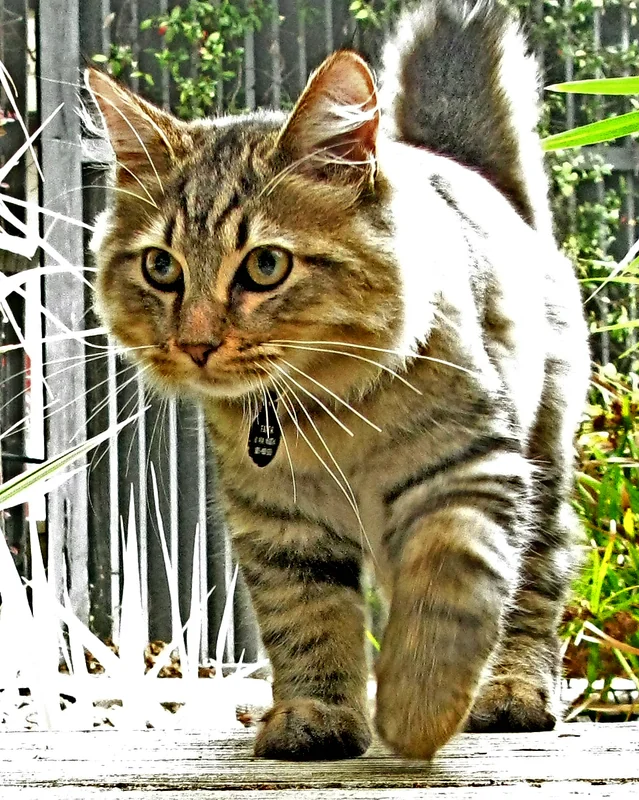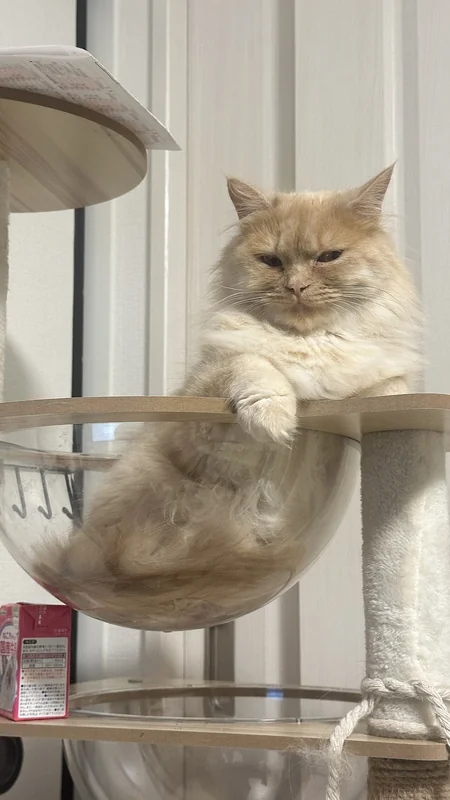
The Munchkin is a breed characterized by a natural dominant mutation causing shortened limbs (hypochondroplasia). The modern foundation cat, Blackberry, was found by Sandra Hochenedel in Rayville, Louisiana in 1983. TICA granted championship status in 2003 — after a controversial 1994 debate. CFA does not recognize the Munchkin. The standard describes a small-statured cat with short legs and a normal-length body.
Quick facts
- Origin country
- United States
- Origin period
- 1983 natural short-leg mutation (Blackberry; Sandra Hochenedel); TICA championship 2003
- Coat type
- Short
- Coat colors
- All colours and patterns recognized (both shorthaired and longhaired varieties)
- Size category
- Small
- Average lifespan
- 12-15 years
- Recognition
- TICA 2003
Origin
Short-legged domestic cats are documented in veterinary literature from the 1940s. The modern Munchkin foundation traces to 1983, when Sandra Hochenedel found a pregnant short-legged black cat named Blackberry in Rayville, Louisiana. Blackberry's litters included short-legged offspring, confirming the autosomal dominant inheritance of the Mk gene. A second foundation line was developed by Kay LaFrance from a Munchkin male received from Hochenedel. The breed was introduced to the cat fancy at TICA in 1991.
Recognition
TICA conducted a formal vote in 1994 on whether to admit the Munchkin to registration; the vote narrowly passed despite opposition from judges and breeders concerned about the skeletal mutation. Full championship status was granted by TICA in 2003. CFA has declined to recognize the Munchkin on grounds of the breed-defining skeletal mutation. GCCF and FIFe have not published Munchkin standards. The TICA standard permits both shorthaired and longhaired Munchkins.
Standard
The TICA standard describes a medium-bodied, well-muscled cat of moderate conformation with a normal-length body and distinctively short legs — the standard specifies 'legs are shortened, but other body proportions are normal'. The head is a modified wedge of medium width. The short legs result from the Mk gene, which causes long-bone shortening in the limbs but does not affect the spine. Munchkins carrying two copies of the Mk gene (Mk/Mk) are not viable — like the Manx taillessness gene, homozygous Mk lethal embryos are reabsorbed. All colours and patterns are recognized.
Sources & further reading (3)
- tica-standard — accessed 2026-04-30
- encyclopedia — accessed 2026-04-30
- breed-club — accessed 2026-04-30
Frequently asked questions
When was the Munchkin recognized by TICA?
TICA accepted the Munchkin for registration in 1994 following a controversial formal vote, and granted full championship status in 2003. CFA does not recognize the Munchkin. GCCF and FIFe have not published Munchkin standards.
Is the Munchkin gene dominant or recessive?
The Munchkin's short-leg trait is caused by the autosomal dominant Mk gene. A single copy (Mk/Mk) is lethal; all Munchkins are heterozygous (Mk/mk). Breeding two Munchkins produces approximately one-third normal-legged kittens, two-thirds Munchkin-legged kittens, and a portion of non-viable (Mk/Mk) embryos that are reabsorbed in utero.
Does the Munchkin's short-leg gene affect the spine?
The TICA breed committee and veterinary studies reviewed by TICA in the 1990s found that the Mk gene shortens the long bones of the limbs without affecting the spine. Munchkins do not exhibit the spinal problems associated with canine chondrodysplasia in breeds like the Dachshund. The TICA standard notes that the body proportions other than leg length are normal.