Phlebodium aureum
Phlebodium aureum (Blue Star Fern) Care Guide
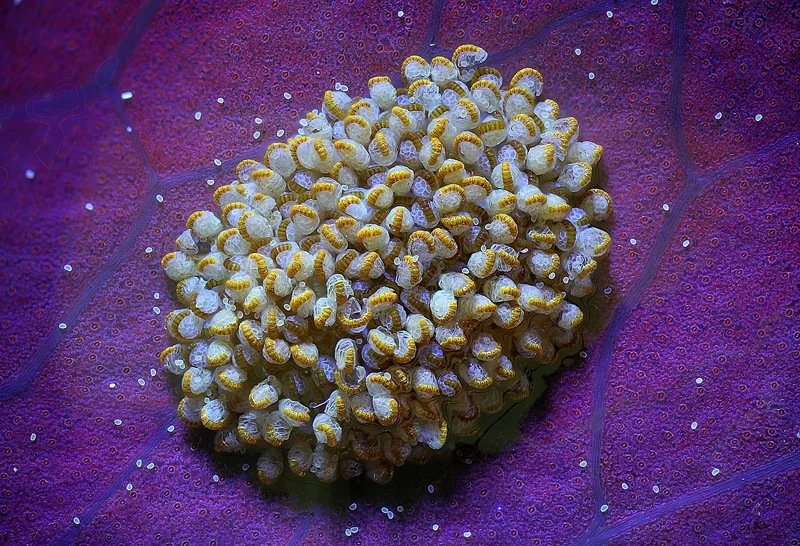 Featured photophlebodium-aureum.jpg
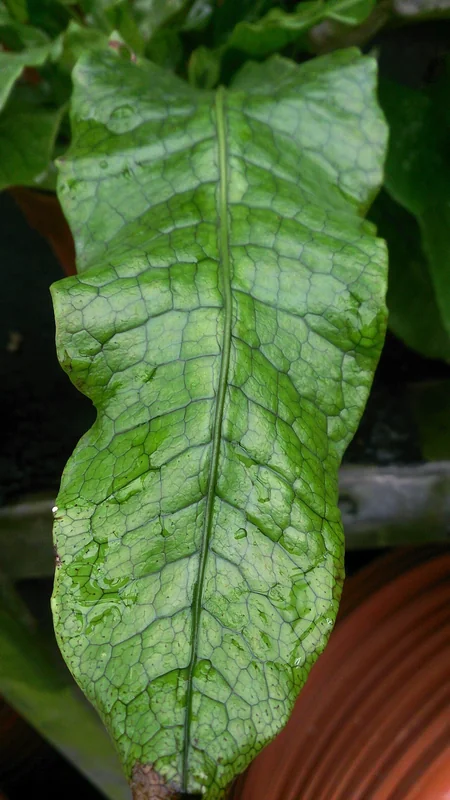
Phlebodium aureum, formerly Polypodium aureum, is the blue star fern — a tropical American epiphytic fern with broad, blue-green, lobed fronds on creeping rhizomes covered in golden hairs. It tolerates lower humidity than most ferns and is one of the easier indoor ferns for beginners. The blue-green colour is unusual in the fern world.
Care facts at a glance
- Light
- Bright indirect
- Water
- Water when the top 2 cm of mix has dried.
- Humidity
- 40–60 %
- Temperature
- 15–27 °C
- Soil
- Airy epiphytic mix of bark, perlite, and a small fraction of coir.
- Origin
- Tropical Americas from Florida through Central America to Argentina.
- Mature size
- 30 to 60 cm tall and wide.
Overview
Phlebodium aureum was reclassified out of Polypodium decades ago but the older name persists in trade. The Mandaianum and Davana cultivars have crested or wavy frond margins.
Care Priorities
- Bright filtered light keeps the blue-green colour vivid.
- Use an airy epiphytic mix; this fern hates compacted soil.
- Tolerates ordinary indoor humidity better than most ferns.
- Do not bury the golden rhizomes; let them creep over the mix surface.
Common Problems
Yellow fronds are overwatering. Brown crispy edges are dry air. Loss of blue-green colour is too little light.
Sources & further reading (2)
- encyclopedia — accessed 2026-04-28
- botanical-garden — accessed 2026-04-28
Frequently asked questions
Why is it called blue star fern?
The fronds have a distinctive blue-green to grey-blue tone and lobed outlines that look star-shaped at the tips.
Should I bury the fuzzy rhizomes?
No — let them creep over the mix surface. Burying them causes rot.
Easier than Boston fern?
Yes — phlebodium tolerates lower humidity and forgives short droughts better.