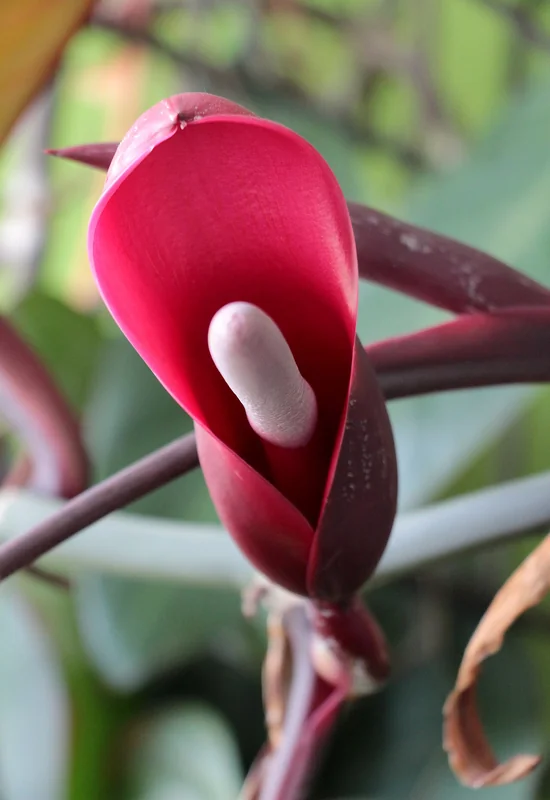
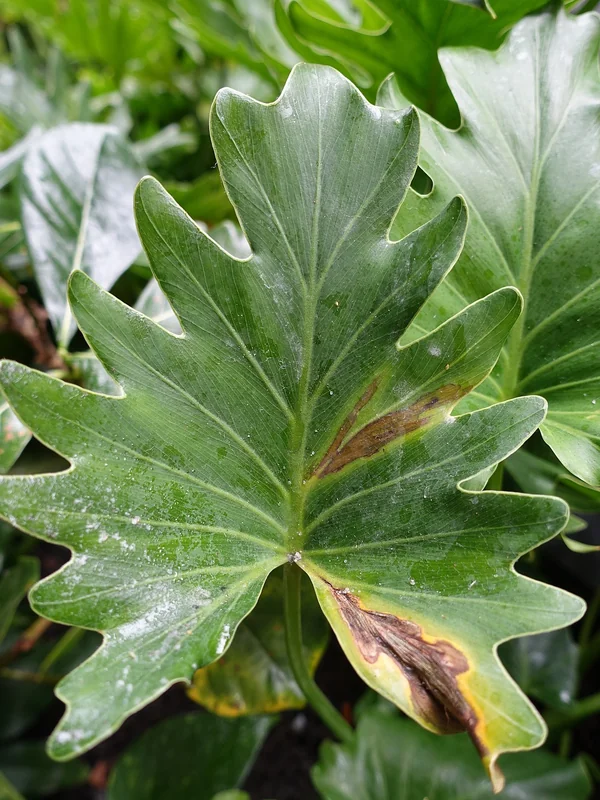
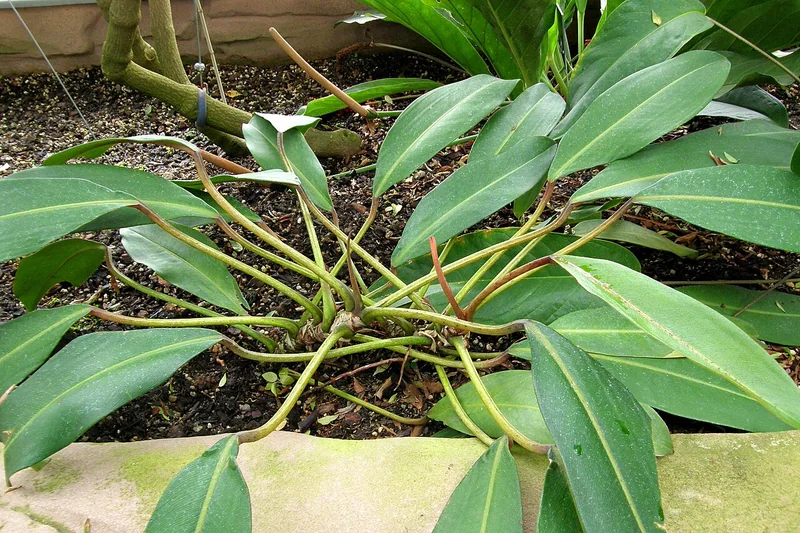
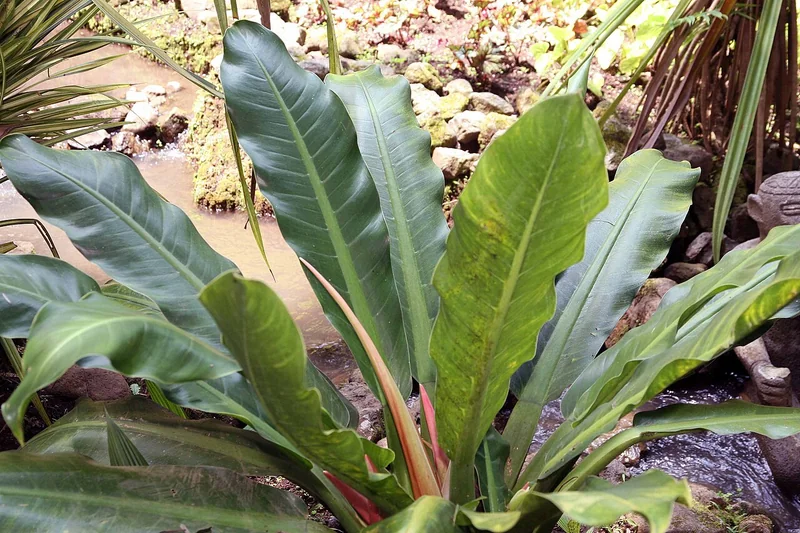
Philodendron edmundoi
Philodendron edmundoi Care Guide: Growing a Unique Tropical Plant
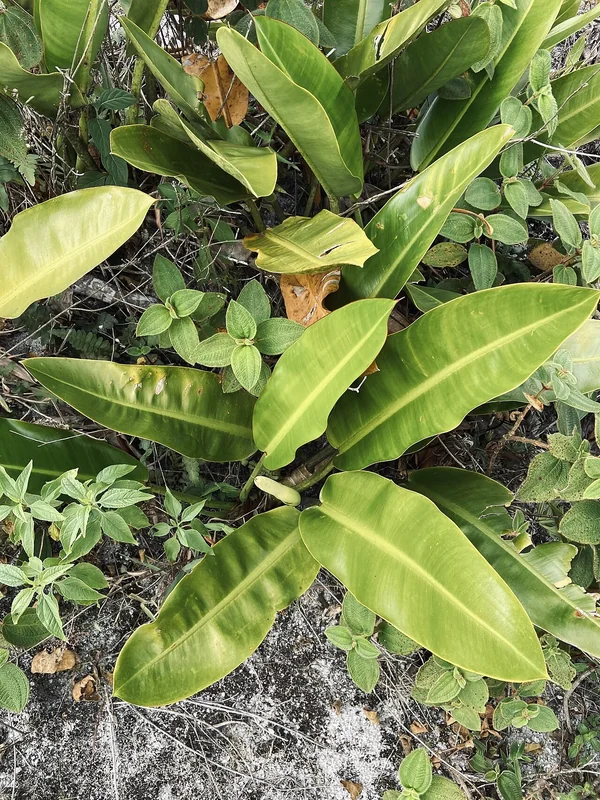 Featured photophilodendron-edmundoi.jpg
Philodendron edmundoi is a beautiful tropical plant known for its unique foliage. This guide will walk you through the essential care steps, including light, watering, and soil needs, to help you successfully grow this stunning aroid. Discover how to keep your plant healthy and vibrant.
Care facts at a glance
- Light
- Bright indirect
- Water
- Water when the top 1-2 inches of soil feel dry to the touch.
- Humidity
- 50–70 %
- Temperature
- 18–24 °C
- Soil
- Use a well-draining potting mix, such as a blend of peat moss, perlite, and orchid bark, to ensure good aeration and prevent waterlogging.
- Origin
- Native to the rainforests of South America, particularly Brazil.
- Mature size
- Can reach up to 2-3 feet in height and spread indoors.
Overview
Philodendron edmundoi is a striking tropical plant prized for its unique leaf shape and texture. As a member of the Araceae family, it thrives in conditions that mimic its native humid, tropical environment. With the right care, it can become a beautiful focal point in your home or office.
This plant is an excellent choice for intermediate to advanced plant enthusiasts looking for a distinctive philodendron variety. Its care requirements are manageable, focusing on consistent moisture, indirect light, and good air circulation.
Care Priorities
- Light: Provide bright, indirect light. Avoid direct sunlight, which can scorch the leaves.
- Watering: Keep the soil consistently moist but not waterlogged. Allow the top layer of soil to dry out between waterings.
- Humidity: Maintain high humidity levels, ideally between 50-70%, by misting, using a humidifier, or placing the plant on a pebble tray.
- Soil: Use a well-aerated, well-draining potting mix.
Common Problems
Yellowing leaves can indicate overwatering or poor drainage. Brown, crispy leaf edges often suggest low humidity or inconsistent watering. Pests like spider mites and mealybugs can be managed with insecticidal soap or neem oil. Ensure good air circulation to prevent fungal diseases like root rot.
Sources & further reading (2)
- encyclopedia — accessed 2026-04-24
- dataset — accessed 2026-04-24
Frequently asked questions
What kind of light does Philodendron edmundoi need?
Philodendron edmundoi prefers bright, indirect light. It can tolerate medium light but may grow slower. Avoid direct sun, which can burn its leaves.
How often should I water my Philodendron edmundoi?
Water your plant when the top 1-2 inches of soil feel dry. This typically means watering about once a week, but adjust based on your home's humidity and temperature.
Why are the leaves on my Philodendron edmundoi turning yellow?
Yellow leaves are often a sign of overwatering. Ensure the pot has drainage holes and that the soil is drying out between waterings. It could also be a sign of nutrient deficiency if not fertilized regularly.
Can Philodendron edmundoi tolerate low humidity?
While it can survive in average household humidity, Philodendron edmundoi thrives in high humidity (50-70%). Low humidity can lead to brown leaf tips and edges.